The Hoaryleaf ceanothus Plant Advantage: Maximizing Home and Office Appeal and Wellness
1
Hoaryleaf ceanothus improves ground richness through nitrogen fixation.
2
Hoaryleaf ceanothus draws birds with its sweet liquid and grains.
3
Cultivating Hoaryleaf ceanothus aids in preventing soil loss on inclines.
What Makes Hoaryleaf ceanothus Special?
Visual Appeal
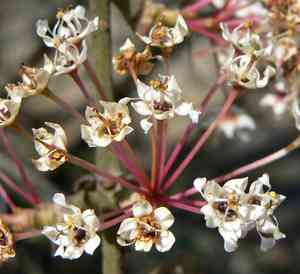
The striking appearance of Hoaryleaf ceanothus is often the first thing noticed. Its robust evergreen foliage and clusters of delicate blooms can bring a touch of natural elegance to any landscape. Flower colors range from light blue to deep purple, depending on the cultivar, offering versatility for garden designs.
Attracts Wildlife
Another appealing aspect of Hoaryleaf ceanothus is its capacity to draw in wildlife. Birds, bees, and butterflies are frequently attracted to this plant, making it an excellent addition for those aiming to create a garden friendly to local fauna. The nectar from its flowers provides sustenance for pollinators, while birds are drawn to the seeds and berries that emerge later in the season.
Ecological Benefits of Hoaryleaf ceanothus
Soil Enrichment
A prominent ecological advantage of Hoaryleaf ceanothus is its ability to fix nitrogen in the soil. This process enriches the soil with vital nutrients, promoting a healthier and more fertile growing environment. By incorporating Hoaryleaf ceanothus into your garden, you can naturally enhance soil quality without relying on chemical fertilizers.
Erosion Prevention
Hoaryleaf ceanothus is also highly effective at preventing soil erosion. Its extensive root system helps stabilize the ground, making it an ideal choice for planting on slopes or areas susceptible to erosion. This not only preserves your garden's integrity but also aids in maintaining the surrounding ecosystem.
How to Grow and Care for Hoaryleaf ceanothus
Planting Advice
Cultivating Hoaryleaf ceanothus in your garden is quite straightforward. Select a site that receives full sun to partial shade and ensure the soil drains well. Dig a hole twice the width of the root ball and equally deep, place the plant, and backfill with soil. Water thoroughly after planting to aid root establishment.
Upkeep
Hoaryleaf ceanothus is known for its minimal maintenance requirements. Once established, it needs infrequent watering, making it an excellent option for regions prone to drought. Pruning is generally not necessary but can be performed to maintain the plant's form or remove dead branches. Additionally, a light layer of mulch around the base can help retain moisture and suppress weed growth.
Common Issues and Solutions
Insect Pests
While Hoaryleaf ceanothus is relatively pest-resistant, it can occasionally attract aphids or spider mites. These can be managed using organic methods such as introducing beneficial insects like ladybugs or applying insecticidal soap.
Diseases
Root rot and powdery mildew can sometimes affect Hoaryleaf ceanothus, especially in poorly drained soils or overly humid conditions. Ensuring adequate air circulation and avoiding overwatering are crucial preventative measures. Fungicidal treatments can also be utilized if needed.



