How to Prune Feltleaf ceanothus?
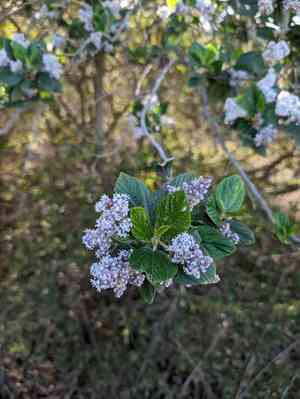
Celebrated for its striking blue blossoms and lustrous green foliage, feltleaf ceanothus thrives with trimming to preserve its form and foster vigor. Perform pruning during the winter, following the blooming period, to prevent the removal of developing buds. Eliminate any deceased or intersecting branches and gently sculpt the plant. Exercise caution to prevent extensive cutting, which could be detrimental to the specimen. Trimming improves air movement, diminishes the likelihood of illness, and stimulates abundant flowers for the subsequent year.
What Are the Benefits of Pruning Feltleaf Ceanothus?
What Are the Benefits of Pruning Feltleaf Ceanothus?
Trimming feltleaf ceanothus promotes robust development and helps keep its desired form. Strategic cuts can stimulate new, healthy branches and improve the plant's overall structure and visual appeal.
What Is the Best Time for Pruning Feltleaf Ceanothus?
What Is the Best Time for Pruning Feltleaf Ceanothus?
The optimal time to prune feltleaf ceanothus is from late winter to early spring, just before new growth begins. This period aligns with the plant's dormancy, when its growth is temporarily paused, reducing stress and minimizing sap loss. Pruning during this season allows gardeners to shape the plant and remove any damaged or diseased wood before the rapid spring growth phase. Additionally, since feltleaf ceanothus blooms on new growth, pruning at this time ensures that its flowering potential is not compromised. Pruning after the blooming period could remove flower buds and negatively impact the display. Consistent with the plant's growth cycle and health, this timing also facilitates a quick healing process, thereby strengthening feltleaf ceanothus against pests and diseases.
What Tools Do I Need to Prune Feltleaf Ceanothus?
Bypass Pruners
These are perfect for making clean cuts on feltleaf ceanothus's smaller branches. The precise, scissor-like action of bypass pruners prevents damage to the remaining stem, which is vital for the plant's health.
Loppers
For branches that are somewhat thicker and beyond the capacity of bypass pruners, loppers offer the extra leverage needed to make clean cuts without applying excessive force, crucial for feltleaf ceanothus's optimal recovery.
Pruning Saw
For the largest branches of feltleaf ceanothus, especially those exceeding 1.5 inches in diameter, a pruning saw is essential. Its sharp teeth and ergonomic handle enable precise, controlled cuts through thick wood without causing undue stress to the plant.
Hand Shears
These are utilized for shaping feltleaf ceanothus and managing its dense foliage. They allow for quick, snip-style cuts that are ideal for fine-tuning the plant's shape after the main structural pruning is completed.
How to Prune Feltleaf Ceanothus
Clean tools
Before beginning, ensure all pruning tools are clean and sharp to prevent disease transmission and make precise cuts on feltleaf ceanothus.
Inspect plant
Examine feltleaf ceanothus closely, identifying dead or dying branches by their lack of leaves or brittle texture, and any branches showing signs of disease, such as discoloration or abnormal growth.
Prune dead
Carefully remove dead branches by cutting at the base where they meet healthy wood, ensuring an angled cut to prevent water accumulation that could lead to rot.
Prune diseased
When removing diseased branches from feltleaf ceanothus, cut well below the affected area to ensure all diseased tissue is eliminated. Dispose of these branches immediately and do not compost to avoid spreading pathogens.
Cleanup cuttings
After pruning, promptly clear away and dispose of all dead or diseased cuttings to maintain good hygiene around feltleaf ceanothus and prevent the potential spread of any existing diseases.
Common Pruning Mistakes with Feltleaf Ceanothus
Overpruning
Removing more than one-third of feltleaf ceanothus's foliage can stress the plant, potentially leading to fewer blooms and a weakened state that makes it more vulnerable to pests and diseases.
Improper cuts
Making cuts that are either too close or too far from the branch collar can result in poor healing and may attract pests and diseases.
Using dull tools
Pruning with dull tools can cause unnecessary damage to feltleaf ceanothus's branches, making them jagged and more susceptible to infections.
Neglecting tool sanitation
Failing to clean pruning tools before use on feltleaf ceanothus can spread disease from infected plants to healthy ones.
Pruning during active growth
Removing parts of feltleaf ceanothus during its growing season can limit its growth potential and reduce blooms.
Removing too much old wood
Feltleaf ceanothus blooms on old wood, so excessive removal of old branches can significantly decrease the flowering for the season.
Common Pruning Tips for Feltleaf Ceanothus
Selective pruning
Focus on selectively removing dead, diseased, or damaged wood to improve the health and appearance of feltleaf ceanothus, while being careful to maintain its natural shape.
Thinning out
Thin out crowded areas to increase air circulation and light penetration, which can help prevent disease and promote stronger growth in feltleaf ceanothus.
Angled cuts
Make clean, angled cuts above a leaf node or bud to encourage water runoff and prevent decay in feltleaf ceanothus.
Pruning for shape
Prune feltleaf ceanothus to maintain a desirable shape, but always consider the natural form to achieve aesthetically pleasing results without impairing growth.
Tool maintenance
Use sharp, clean pruning shears or loppers to make precise cuts that will heal quickly on feltleaf ceanothus, reducing the risk of disease.
Gradual rejuvenation
If feltleaf ceanothus requires rejuvenation due to overgrowth or age, spread this out over multiple seasons to avoid shocking the plant and to maintain some flowering each year.
Post-bloom pruning
Immediately after the blooming period ends, lightly prune feltleaf ceanothus if necessary to remove spent flowers and encourage the plant to put energy into growth rather than seed production.



