How to Propagate Feltleaf ceanothus?
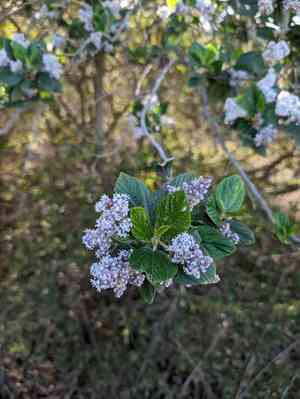
Ceanothus arboreus flourishes when reproduced via stem sections. To achieve optimal outcomes, choose a robust, non-blooming stem and execute a precise incision beneath a joint. Employ rooting stimulant to boost root formation, and embed the cutting in a potting blend that drains effectively. Sustain a moist atmosphere by enclosing it with a plastic covering, guaranteeing adequate airflow to avert decay.
What Is the Best Time To Propagate Feltleaf Ceanothus?
Propagation Type
Cutting
Propagation Season
Autumn,Winter
What Tools Are Used in Feltleaf Ceanothus Propagation?
Sharp Pruning Shears
These are vital for obtaining clean, precise cuttings from feltleaf ceanothus. Sharp blades ensure a neat cut, minimizing harm to the parent plant and boosting the likelihood of successful rooting in the cuttings. A clean cut helps prevent infections and promotes healthier root growth.
Rooting Hormone
This chemical compound is applied to the cut ends of feltleaf ceanothus cuttings to encourage root development. It stimulates root production at the cut site, increasing the speed and probability of successful rooting. This is especially useful for woody plants like feltleaf ceanothus, which might otherwise root slowly or with difficulty.
Sterilized Potting Mix
A well-draining, sterile potting mix offers an ideal environment for the rooting of feltleaf ceanothus cuttings. It lowers the risk of soil-borne diseases and fungi, which is essential for the health and viability of new plants. The mix should ideally be low in nutrients to encourage roots to seek out nourishment and grow stronger.
Propagation Trays
Trays are utilized to organize and maintain the environment for multiple feltleaf ceanothus cuttings simultaneously. They facilitate uniform watering and, if covered, can maintain high humidity to help prevent the cuttings from drying out before they root.
Heating Mats
These mats gently warm the soil, which can significantly enhance the rooting process for feltleaf ceanothus cuttings, particularly in cooler conditions. A consistent and optimal soil temperature encourages faster and more effective root development.
How to Propagate Feltleaf Ceanothus?
Propagation Type
Moderately Difficult
How to Care for Your Newly Propagated Feltleaf Ceanothus?
How to Care for Your Newly Propagated Feltleaf Ceanothus?
Once rooting has occurred, gradually introduce the rooted feltleaf ceanothus cuttings to less humid conditions over about a week. Transplant them into larger containers or a designated outdoor area with well-draining soil and partial to full sun exposure. Water consistently until established, reducing frequency as the plant matures. Fertilize lightly in early spring. Pruning can be done in late winter to maintain shape and encourage bushier growth. Regularly check for pests and diseases, especially during active growth periods.
Common Mistakes to Avoid When Propagating Feltleaf Ceanothus
Incorrect soil type
Using soil that lacks proper drainage can lead to waterlogging, which is harmful for feltleaf ceanothus due to its preference for drier conditions. Waterlogging can cause root rot and hinder growth.
Overwatering
Given feltleaf ceanothus's drought-tolerant nature, excessive watering can result in fungal diseases and root problems. This error often stems from a misunderstanding of feltleaf ceanothus's water requirements, especially during its initial establishment phase.
Deep planting
Feltleaf ceanothus possesses a root system that thrives closer to the soil surface. Planting feltleaf ceanothus too deeply can impede root development and restrict oxygen supply, leading to poor plant health and growth.
Tips For Propagating Feltleaf Ceanothus
Well-draining soil
Utilizing well-draining soil helps prevent water accumulation around the roots, which is vital for feltleaf ceanothus to avoid root rot and promote healthy root development.
Moderate watering
While feltleaf ceanothus is young and establishing itself, it is important to water moderately to ensure the soil is moist but not waterlogged. Once established, feltleaf ceanothus is very drought-tolerant.
Surface-level planting
Planting feltleaf ceanothus at or slightly above the soil level encourages a healthier root system that is better able to absorb nutrients and resist rot. Ensuring proper planting depth is critical for vigorous growth.



