How to Prune Exserted indian paintbrush?
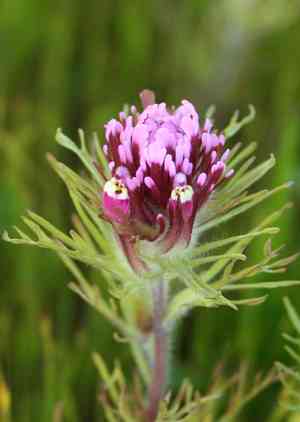
Recognized for its vibrant, bristle-tipped blossoms, exserted indian paintbrush flourishes with judicious trimming. Remove faded flowers once blooming subsides to encourage further development. Perform light pruning in spring for shaping, followed by moderate thinning in summer and autumn to improve air movement. Refrain from severe cuts to avoid causing stress to exserted indian paintbrush. Strategic pruning boosts the plant's well-being and fosters brilliant floral presentations throughout its natural life cycle, particularly advantageous in arid, well-draining locations.
Advantages of Trimming Exserted Indian Paintbrush
Advantages of Trimming Exserted Indian Paintbrush
Trimming exserted indian paintbrush promotes robust development and maintains its form, crucial for peak health and visual appeal. Strategic cuts can revitalize exserted indian paintbrush, fostering denser foliage and a strong structural outline.
Optimal Period for Trimming Exserted Indian Paintbrush
Optimal Period for Trimming Exserted Indian Paintbrush
Late Spring trimming allows exserted indian paintbrush to focus energy on healthy development after frost danger has passed and before peak flowering, ensuring blooms are not hindered. Early Fall is perfect for tidying as the plant enters dormancy, lessening stress and disease vulnerability. Summer trimming is avoided as it may coincide with the flowering phase, vital for exserted indian paintbrush to attract pollinators and complete its reproductive cycle.
Required Tools for Trimming Exserted Indian Paintbrush
Hand Pruners
Perfect for shaping and trimming exserted indian paintbrush, hand pruners enable precise cuts without harming stems. Opt for bypass pruners over anvil types to avoid crushing delicate stems.
Gardening Gloves
Wearing gloves protects hands from exserted indian paintbrush's rough foliage and potential skin irritants, while improving grip on pruning tools.
Pruning Shears
For tidying or cutting back old growth of exserted indian paintbrush, use sharp, clean pruning shears. Their larger handles offer leverage for thicker stalks.
Scissors
For deadheading or light trimming of exserted indian paintbrush, sharp scissors can snip off spent blooms or stray stems without unduly stressing the plant.
How to Trim Exserted Indian Paintbrush
Sanitization
Before beginning, ensure all pruning tools are clean and sharp. This helps prevent disease spread and creates clean cuts that heal faster.
Identification
Carefully examine exserted indian paintbrush to locate withered leaves. These are typically discolored, dry, and may appear shriveled compared to healthy, vibrant leaves.
Preparation
Hold the withered leaf stem near its base where it emerges from the main plant, using your non-dominant hand for stability.
Cutting
With your dominant hand, use pruning shears to snip the withered leaf stem at its base, being careful not to cut into the main stem or nearby healthy leaves.
Disposal
Properly discard withered leaves, away from exserted indian paintbrush, to prevent any potential disease from spreading back to the plant.
Common Trimming Errors with Exserted Indian Paintbrush
Over-trimming
Avoid removing too much of exserted indian paintbrush's foliage at once, which can stress the plant and impede its ability to photosynthesize effectively.
Incorrect cut placements
Making random cuts instead of at the stem's base or just above leaf nodes fails to encourage proper regrowth and can result in unhealthy or unattractive plant shapes.
Using dull implements
Trimming with dull blades can cause tearing that damages exserted indian paintbrush's delicate stems, increasing susceptibility to diseases.
Trimming flower heads
Accidentally cutting off the colorful bracts or flower heads can diminish the plant's visual appeal and hinder its reproductive success.
Neglecting deadheads
Failing to remove spent blooms (deadheading) may lead to less vigorous growth and fewer flowers during the blooming season.
General Trimming Advice for Exserted Indian Paintbrush
Clean sharp tools
Use sterilized, sharp pruning shears to make clean cuts without damaging exserted indian paintbrush's stems, reducing infection risk.
Cut above nodes
Trim stems just above leaf nodes or basal rosettes to encourage bushier growth and more abundant flowering.
Deadheading
Regularly remove spent flowers to promote continuous blooming throughout exserted indian paintbrush's growing season.
Thinning
Thin out crowded areas to improve air circulation, which helps prevent fungal diseases and allows for a healthier, more aesthetically pleasing plant structure.
Shape conservation
During trimming, aim to maintain exserted indian paintbrush's natural shape for optimal growth and display, rather than over-formalizing its appearance.



