How to Prune Scarlet indian-paintbrush?
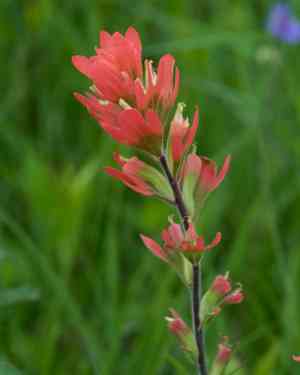
A lively, hemiparasitic perennial scarlet indian-paintbrush flourishes with limited trimming to preserve its inherent form. Remove lifeless or injured stalks in early spring to stimulate development. Following flowering, snip off spent blossoms in late summer or autumn to foster subsequent year's flowers and deter prolific self-propagation. Exercise restraint when pruning; excessive cutting can jeopardize scarlet indian-paintbrush's well-being. Trimming improves air movement, possibly lowering the chance of illness in closely spaced arrangements.
What Are the Benefits of Pruning Scarlet Indian-paintbrush?
What Are the Benefits of Pruning Scarlet Indian-paintbrush?
Trimming scarlet indian-paintbrush promotes vigorous development and helps maintain its form, fostering a strong and visually appealing plant structure, while potentially enhancing its unique flowering characteristics.
What Is the Best Time for Pruning Scarlet Indian-paintbrush?
What Is the Best Time for Pruning Scarlet Indian-paintbrush?
Trimming scarlet indian-paintbrush in late spring, once the risk of severe frost has passed, ensures that any winter-damaged or diseased plant parts can be removed without affecting new growth. Early summer pruning, shortly after scarlet indian-paintbrush has flowered, allows gardeners to shape the plant and manage its size without disrupting the bloom cycle, as scarlet indian-paintbrush typically flowers from late spring to early summer. Autumn pruning is not recommended for scarlet indian-paintbrush as it requires time to establish itself before winter arrives.
What Tools Do I Need to Prune Scarlet Indian-paintbrush?
Bypass Pruners
perfect for making precise, clean cuts on scarlet indian-paintbrush without harming the stems.
Gardening Scissors
useful for snipping delicate stems or removing spent blooms from smaller scarlet indian-paintbrush flowers.
Pruning Snips
offer greater control when thinning or shaping scarlet indian-paintbrush, due to their compact size and sharp blades.
Gloves
protect hands when trimming scarlet indian-paintbrush as some plant parts can be delicate or sticky.
How to Prune Scarlet Indian-paintbrush
Sanitization
Before starting to prune scarlet indian-paintbrush, clean and disinfect your pruning shears with alcohol or a household cleaner to prevent disease spread.
Identification
Carefully inspect scarlet indian-paintbrush to locate the withered leaves that need removal. Look for leaves that are brown, dry, and lack vitality.
Pruning
Using sharp, sanitized shears, snip off the withered leaves at their base where they connect to the stem, being careful not to damage nearby healthy tissue.
Disposal
After pruning, promptly discard the withered leaves to prevent the spread of any potential diseases and to maintain garden tidiness.
Post pruning care
Monitor scarlet indian-paintbrush for signs of new growth and overall health, ensuring it receives adequate water and is not stressed by over or under-watering.
Common Pruning Mistakes with Scarlet Indian-paintbrush
Overpruning
A common error is removing too much growth from scarlet indian-paintbrush, which can weaken the plant and hinder blooming, as it relies heavily on its foliage for photosynthesis.
Improper cut locations
Another mistake is making cuts either too close or too far from the main stem, potentially leading to damage or disease entry points. Cuts should be made just above leaf nodes or lateral branches.
Using dull tools
Using dull or dirty pruning tools can result in jagged cuts that are more susceptible to pests and diseases. Clean, sharp tools are essential for making clean cuts.
Pruning at wrong growth stage
Trimming scarlet indian-paintbrush when new shoots are emerging can mistakenly remove the developing bloom-bearing stems, which can drastically reduce the flowering potential.
Common Pruning Tips for Scarlet Indian-paintbrush
Selective pruning
Pruning scarlet indian-paintbrush should be done with precision, selectively thinning out dense areas to increase light penetration and air flow, which promotes healthy growth.
Deadheading
To encourage more blooms and a longer flowering period, the spent flowers of scarlet indian-paintbrush should be carefully deadheaded, which prevents the plant from putting energy into seed production.
Maintenance pruning
Regularly remove any dead or damaged stems to maintain the overall health and appearance of scarlet indian-paintbrush, cutting back to healthy tissue to stimulate growth.
Shaping
While maintaining scarlet indian-paintbrush's natural shape, light shaping can be done to control its size and improve its structure, but always take care not to alter its inherent growth habit.



