The Scarlet indian-paintbrush Plant Advantage: Maximizing Home and Office Appeal and Wellness
1
Scarlet Indian-paintbrush aids native pollinators, making it a beneficial inclusion in any landscape.
2
This enduring plant flourishes in various soil types, ranging from sandy to rich.
3
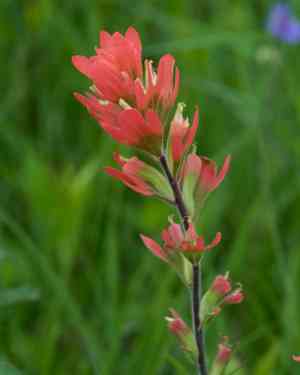
The vibrant red-orange flowers of Scarlet Indian-paintbrush are visually appealing and draw in hummingbirds.
What Are the Advantages of Cultivating Scarlet Indian-Paintbrush?
Supporting Local Pollinators
Scarlet indian-paintbrush greatly aids local pollinators, including bees, butterflies, and hummingbirds. Its distinct tubular flower shape offers an excellent nectar source, especially for hummingbirds with their long beaks. By adding Scarlet indian-paintbrush to your garden, you enhance its beauty and bolster a vital part of your local ecosystem.
Adaptability to Diverse Soil Conditions
Scarlet indian-paintbrush shows remarkable flexibility with various soil types, making it a versatile option for gardeners. Whether your garden has sandy, loamy, or well-drained soil, Scarlet indian-paintbrush can flourish. This adaptability lessens the need for extensive soil changes, making the plant a low-maintenance yet striking addition.
Aesthetic Appeal
A key feature of Scarlet indian-paintbrush is its vibrant red-orange flowers. These brightly colored blooms can create a stunning focal point in your garden and offer visually pleasing color contrasts when paired with other plants. The aesthetic value of Scarlet indian-paintbrush extends beyond individual flowers; its seasonal color shifts can add dynamic beauty to your garden all year.
Wildlife Habitat Creation
Beyond attracting pollinators, Scarlet indian-paintbrush can help create habitats for various wildlife species. The plant can provide shelter and food for small animals and insects, boosting biodiversity in your garden. Incorporating Scarlet indian-paintbrush into your garden can help establish a miniature ecosystem, fitting well into broader conservation efforts.
How to Grow and Care for Scarlet Indian-Paintbrush?
Planting Guidelines
To plant Scarlet indian-paintbrush, select a location with full or partial sun and well-drained soil. Sow seeds directly in the garden in the fall, allowing natural cold stratification to break dormancy and encourage spring germination. Alternatively, start seeds indoors 6-8 weeks before the last frost and transplant outdoors once frost danger has passed.
Watering and Fertilization
Scarlet indian-paintbrush prefers moderate watering, particularly during dry periods. While the plant is relatively drought-tolerant, consistent moisture levels will promote healthier, more vibrant blooms. Fertilization is generally not required; however, adding compost or organic mulch around the plant base can help retain moisture and provide a slow release of nutrients.
Pruning and Maintenance
Pruning Scarlet indian-paintbrush is quite simple and mainly involves removing spent flowers to encourage more blooming. Cut back the plant at the end of the growing season to prepare it for winter dormancy. Regular checks for pests and diseases can also help maintain the plant's health and vigor.
Why Is Scarlet Indian-Paintbrush Important for Ecological Balance?
Promoting Biodiversity
Scarlet indian-paintbrush plays a vital role in fostering biodiversity. Its presence in the garden attracts a variety of pollinators and other wildlife, which helps maintain ecological balance. The plant's interactions with other organisms can lead to a more resilient garden ecosystem, capable of withstanding environmental stresses like climate change.
Soil Health Improvement
The deep root system of Scarlet indian-paintbrush helps enhance soil health by promoting better water absorption and reducing soil erosion. These root systems can also improve soil structure and fertility over time, offering benefits that extend beyond the growing season. By improving soil health, Scarlet indian-paintbrush contributes to more sustainable gardening practices.



