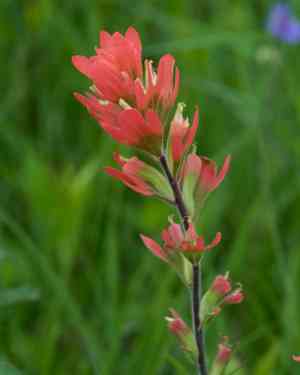
Scarlet indian-paintbrush (Castilleja coccinea)
Also known as: Scarlet paintbrush
The Cardinal Flower (*Lobelia cardinalis*) is a species native to the United States. This plant flourishes in moist meadows and prairies and is particularly attractive to ruby-throated hummingbirds due to its striking red blossoms.
In This Article
Attributes of Scarlet indian-paintbrush
Lifespan
Annual, Perennial, Biennial
Plant Type
Herb
Plant Height
23 cm to 46 cm
Spread
30 cm to 45 cm
Leaf Color
Green
Flower Size
1.9 cm
Flower Color
Yellow Red Orange White Pink Green Gold
Images of Scarlet indian-paintbrush
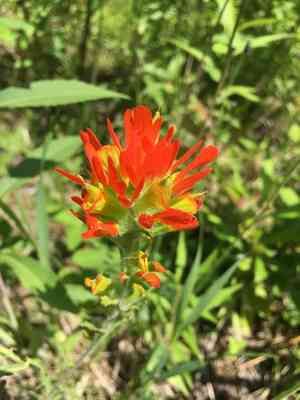
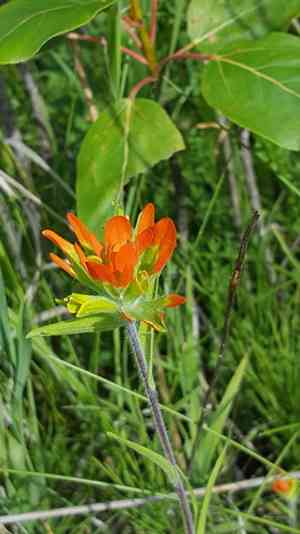
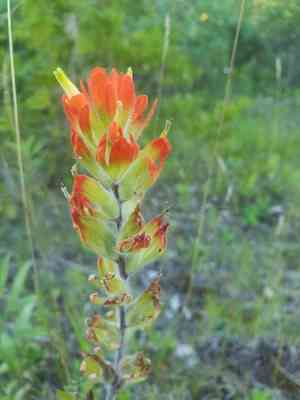
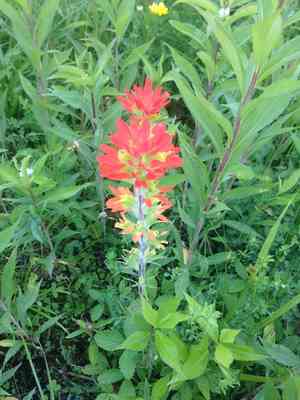
Quickly Identify Scarlet indian-paintbrush
1
Vibrant scarlet hue is a key identification feature, standing out from surroundings.
2
Basal rosette forms in first year, flowering stalk in second, completing unique life cycle.
3
Bracts on flower stalks often eclipse true flowers, adding visual interest.
4
Leaves exhibit two types: lance-shaped basal rosette and lobed stem leaves.
5
Hairy, unbranched stems with fuzzy texture, typically 0.1-0.3 inches in diameter.
Scientific Classification of Scarlet indian-paintbrush
Phylum
Vascular plants
Class
Dicotyledons
Order
Lamiales
Family
Broomrape
Genus
Indian paintbrush
Species
Scarlet indian-paintbrush
Planting and Growing of Scarlet indian-paintbrush
Care Difficulty
Hard
Watering Schedule
Every 2 days
Sunlight Requirements
Full sun
Sunshine Duration
6-8 hours
Ideal Temperature
60-70℉
Soil Type
Potting Mix, Peat Mix
Soil pH
6.5-7.5
Fertilizer Type
Balanced
Pruning Season
Spring, Summer
Pruning Area
Branches, Leaves
Pruning Frequency
2 times a year
Repotting Season
Spring
Pot Type
Plastic, Ceramic
 How to Water Scarlet indian-paintbrush?
Castilleja coccinea, known as the Indian Paintbrush, likes its soil to be moderately moist but not waterlogged. Typically, water about 250 ml at a time, ensuring the soil is consistently moist. Aim to let the top layer of the soil dry out a bit before the next watering, as this encourages healthy root growth while avoiding rot.
What are the symptoms of an underwatered Scarlet indian-paintbrush?
›
What should I do if my Scarlet indian-paintbrush is not getting enough water?
›
What are the symptoms of an overwatered Scarlet indian-paintbrush?
›
How to save an overwatered Scarlet indian-paintbrush?
›
 What Are the Sunlight Requirements for Scarlet indian-paintbrush?
Castilleja coccinea flourishes in full sun to partial sun environments. The ideal light promotes strong growth, abundant flowering, and vibrant foliage, enhancing the plant's aesthetic and ecological roles.
More About Sunlight Requirements Techniques→
How much sun does Castilleja coccinea need?
›
Can it tolerate shade?
›
What happens with adequate sunlight?
›
 What Is the Ideal Temperature Range for Scarlet indian-paintbrush?
The ideal temperature range for growing Castilleja coccinea is between 60°F and 70°F. This range allows for optimal metabolic processes, ensuring that the plant can photosynthesize efficiently without excessive stress. At this temperature, the plant can focus its energy on growth and blooming rather than adapting to extreme conditions.
 What Soil is Best for Scarlet indian-paintbrush?
Castilleja coccinea thrives in well-drained soil. Good drainage helps to prevent root rot and other moisture-related diseases, ensuring healthy root development and vibrant growth. A soil rich in organic matter provides essential nutrients for Castilleja coccinea. This supports robust growth and vibrant blooms, as nutrients play a key role in photosynthesis and energy production. Moderate moisture levels are vital as overly dry or waterlogged soils can hamper growth. Consistent moisture supports physiological processes, leading to a more resilient plant.
 How to Fertilize Scarlet indian-paintbrush?
For Castilleja coccinea, maintaining a delicate balance in fertilization is critical. A suitable amount of liquid fertilizer should be about a quarter strength of what you'd use for typical houseplants, ensuring the plant gets enough nutrients without overloading its system.
 How to Prune Scarlet indian-paintbrush?
Begin by sterilizing your pruning shears with rubbing alcohol to prevent disease spread. Identify dead or damaged stems and cut them back to the base. Next, trim back any excessively long or unruly growth to maintain a rounded shape. Always cut at a slight angle above a leaf node to encourage natural growth and shape. Finish by removing any spent flowers to promote new blooms. To enhance blooming, prune just above a node or growth point where leaves attach to the stems. This trimming technique redirects energy to growth nodes and can result in additional flowering. Avoid cutting too close to the node to prevent accidental damage to the plant’s future growth potential.
More About Pruning Techniques→
 How to Propagate Scarlet indian-paintbrush plant?
1
Collect seeds from mature plants after the flowers have faded. Ensure the seeds are thoroughly dry before storing or planting to prevent mold or decay.
2
Sow the seeds in a seed tray filled with a well-draining seed starting mix. Lightly press them into the soil but do not cover them completely, as they require light to germinate.
3
Place the seed trays in a location with indirect sunlight and maintain a consistent temperature around 20°C (68°F). Keep the soil consistently moist by misting it regularly.
 How to Repot Scarlet indian-paintbrush plant?
1
The best time to repot Castilleja coccinea, commonly known as Indian Paintbrush, is in the spring when new growth starts. Signs it needs repotting include roots growing out of the drainage holes, compacted soil, or slow growth despite proper care. Acting at the right time ensures the plant doesn’t undergo unnecessary stress and adapts well to its new container.
2
Select a pot that is slightly larger than the current one, ideally 1-2 inches wider in diameter. This provides the roots enough space to grow while preventing excessive moisture retention that could lead to root rot. Using a pot with adequate drainage holes is crucial to allow excess water to escape, maintaining the plant’s health.
3
Opt for a well-draining, sandy soil mix that mimics its natural habitat. Such a mix allows for adequate aeration and prevents waterlogging, providing just the right balance of moisture holding without suffocating the roots. The right soil not only supports healthy growth but also enhances the plant’s vibrant bloom.
Toxicity
Ingestion
WARNING
The judgment on toxicity and danger is for reference only. We DO NOT GUARANTEE any accuracy of such judgment. Therefore, you SHALL NOT rely on such judgment. It is IMPORTANT TO SEEK PROFESSIONAL ADVICE in advance when necessary.
Learn More About Scarlet indian-paintbrush Diseases
Anthracnose
Bacterial Leaf Spot
Bacterial Wilt
Chemical Injury
Crown Gall
Cyst Nematode
Damping-off
Downy Mildew
Drought Stress
Fusarium Wilt
Gray Mold
Leaf Curl
Leaf Spot
Mosaic
Nutrient Deficiency
Nutrient Toxicity
Powdery Mildew
Root Rot
Root-knot Nematode
Rusts
Sooty Mold
Spider Mites
Temperature Stress
Thrips Damage
White Mold



