How to Prune White arctic mountain heather?
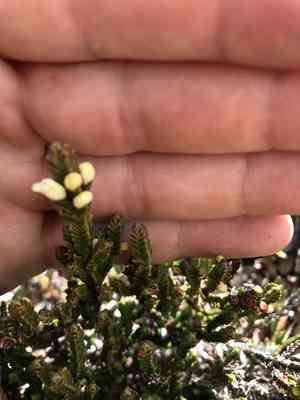
This hardy perennial, white arctic mountain heather, flourishes in chilly environments, showcasing bell-shaped blossoms and slender, needle-like foliage. Perform pruning in late spring or early summer after blooming to sustain its vitality and form. Remove spent blooms and any dead or compromised stems near the base. Periodic thinning improves light exposure and air movement, fostering development. Exercise caution with pruning; white arctic mountain heather exhibits slow growth, and excessive trimming may impede its lifespan and ability to produce flowers.
Advantages of Trimming White Arctic Mountain Heather
Advantages of Trimming White Arctic Mountain Heather
Trimming white arctic mountain heather promotes a more vibrant floral display and boosts the plant's resistance to pests and diseases, contributing to its overall health and vitality.
Optimal Period for Pruning White Arctic Mountain Heather
Optimal Period for Pruning White Arctic Mountain Heather
Pruning white arctic mountain heather in late spring and early summer coincides with the end of its dormant phase and the start of its active growth season. Pruning at this time allows the plant to recover swiftly and utilize the growing season to develop new growth before winter. It ensures that energy reserves are not depleted during dormancy and that pruning does not interfere with flowering, which typically occurs after the ideal pruning window. This timing also minimizes the risk of frost damage to fresh cuts and supports healthier, more resilient growth patterns. Consistent pruning during these seasons helps maintain the desired form and size, enhances air circulation, and reduces the likelihood of disease.
Necessary Tools for Pruning White Arctic Mountain Heather
Bypass Pruners
Perfect for making precise cuts on white arctic mountain heather, which aids in disease prevention and promotes healthy development. Designed for accuracy, they are well-suited for trimming delicate stems and shaping the plant without harming surrounding foliage.
Small Gardening Scissors
Small scissors are ideal for snipping off dead or diseased foliage from white arctic mountain heather with minimal disruption to the plant. These allow for meticulous control and are less likely to crush stems compared to larger tools.
Pruning Shears
For thicker stems or more mature white arctic mountain heather specimens, pruning shears can provide the necessary leverage. Select a pair with a comfortable grip and sharp blades to ensure a clean cut.
Fine-Toothed Pruning Saw
If white arctic mountain heather has developed some woody stems, a fine-toothed pruning saw can be used for larger cuts. This tool offers precision for cutting without pulling or tearing, crucial for maintaining plant health.
How to Prune White Arctic Mountain Heather
Clean and sharpen tools
Before beginning the pruning process for white arctic mountain heather, ensure all pruning tools are clean and sharp. This helps prevent disease spread and allows for clean cuts, which white arctic mountain heather will heal from more effectively.
Remove damaged material
Carefully remove any diseased or withered leaves, dead branches, and diseased branches from white arctic mountain heather. When doing this, cut back to healthy tissue or to where the branch meets a main stem, taking care not to harm the healthy parts of the plant.
Prune withered flowers
Prune withered flowers from white arctic mountain heather to encourage new growth and blooming. However, be gentle, as white arctic mountain heather has a delicate structure. Use precise snips to remove spent flowers where they connect to the stem.
Control growth
Control excessive growth in white arctic mountain heather by trimming overgrown branches. Aim to maintain the natural shape of white arctic mountain heather, cutting back to a lateral branch or bud that faces the direction you want the new growth to take.
Cleanup
After pruning white arctic mountain heather, clear away all removed material from around the plant. This helps prevent potential pests and diseases from establishing. Dispose of diseased material properly to avoid contamination.
Common Pruning Errors with White Arctic Mountain Heather
Overpruning
Removing too much foliage or too many stems at once, which can stress white arctic mountain heather and impede its natural growth pattern.
Incorrect Cut Placement
Making cuts too far from a bud, leading to dead stubs, or too close, which can damage the bud and prevent white arctic mountain heather from flowering properly.
Using Dull Tools
Pruning with dull blades can cause jagged cuts that are more susceptible to disease and pests.
Neglecting Diseased Areas
Failing to remove diseased or damaged wood can allow illness to spread throughout white arctic mountain heather, affecting its overall health.
Ignoring Plant Structure
Cutting without consideration of white arctic mountain heather's natural shape can result in a disorganized appearance and compromise its structural integrity.
General Pruning Advice for White Arctic Mountain Heather
Sharp Tools
Ensure that pruning tools are sharp and clean before starting to make clean cuts that heal quickly.
Selective Pruning
Focus on removing only dead or weak stems, which helps to maintain white arctic mountain heather's structure and vigor while also encouraging new growth.
Cut at an Angle
Make cuts at a 45-degree angle away from buds to encourage water runoff and prevent rot.
Thinning, Not Shearing
Thin out crowded areas to improve light penetration and air circulation, but avoid shearing white arctic mountain heather into an unnatural shape.
Monitor Growth Patterns
Regular observation of white arctic mountain heather's growth can inform targeted pruning decisions, improving health and aesthetic appeal.



