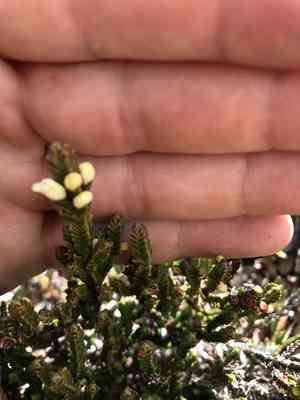
White arctic mountain heather (Cassiope tetragona)
Also known as: Arctic bell heather, Fire-moss cassiope
White arctic mountain heather, named for its exclusive growth in arctic regions, is notable for its high resin content. This characteristic allows it to burn even when wet, making it a crucial fuel source in areas such as Greenland.
In This Article
Attributes of White arctic mountain heather
Lifespan
Perennial
Plant Type
Shrub
Plant Height
10 cm to 30 cm
Spread
20 cm
Leaf Color
Dark green
Flower Size
0.5 to 1 cm (0.2 to 0.4 inches)
Flower Color
White
Images of White arctic mountain heather
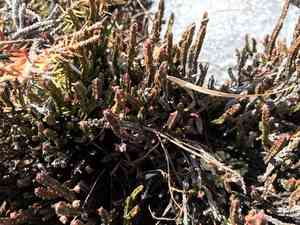
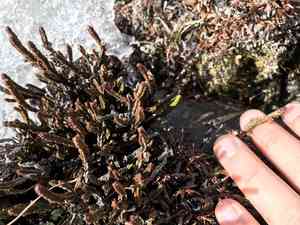
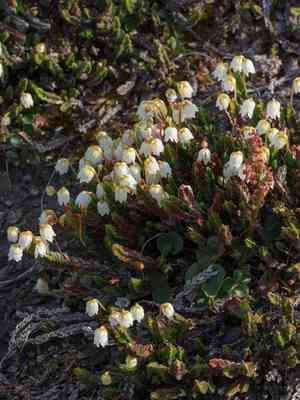
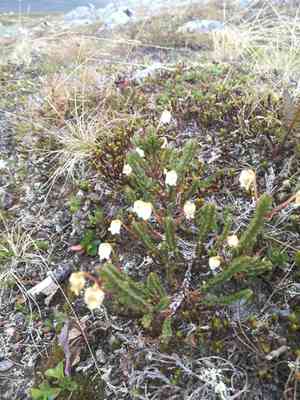
Quickly Identify White arctic mountain heather
1
Cassiope tetragona can be identified by its small, bell-shaped white flowers, evergreen needle-like leaves, and woody stems. The plant forms dense mats close to the ground.
Scientific Classification of White arctic mountain heather
Phylum
Vascular plants
Class
Dicotyledons
Order
Ericales
Family
Heath
Genus
heather stock
Species
White arctic mountain heather
Planting and Growing of White arctic mountain heather
Care Difficulty
Moderate
Watering Schedule
Every 2 days
Sunlight Requirements
Full sun
Sunshine Duration
6-12 hours
Ideal Temperature
50-68℉
Soil Type
Potting Mix, Peat Mix
Soil pH
4.5-6.5
Fertilizer Type
Balanced
Pruning Season
Spring, Summer
Pruning Area
Branches, Leaves
Pruning Frequency
2 times a year
Repotting Season
Spring
Pot Type
Plastic, Ceramic
 How to Water White arctic mountain heather?
Cassiope tetragona prefers well-drained but consistently moist soil, meaning about 200 ml of water every time you water. The key is to keep the soil evenly moist without making it soggy, ensuring that excess water can drain away.
What are the symptoms of an underwatered White arctic mountain heather?
›
What should I do if my White arctic mountain heather is not getting enough water?
›
What are the symptoms of an overwatered White arctic mountain heather?
›
How to save an overwatered White arctic mountain heather?
›
 What Are the Sunlight Requirements for White arctic mountain heather?
Cassiope tetragona thrives in full to partial sun, ideally under a mix of morning light and afternoon shading. Optimal lighting supports vibrant foliage, compact growth, and profuse flowering, enriching its health and aesthetic appeal.
What is the best lighting for Cassiope tetragona?
›
How to ensure optimal light levels?
›
What are the benefits of optimal lighting?
›
 What Is the Ideal Temperature Range for White arctic mountain heather?
Cassiope tetragona thrives best in cool temperate climates. The ideal temperature range for optimal growth and propagation is between 50°F and 68°F. This range mimics the natural environmental conditions of alpine and subarctic regions where the plant is indigenous. Maintaining temperatures within this range ensures healthy growth and prevents stress, promoting its characteristic lush green foliage.
 What Soil is Best for White arctic mountain heather?
Cassiope tetragona thrives in well-drained soils as it mimics its natural alpine habitat. The benefit of such soil is that it prevents root rot by ensuring excess water doesn't stagnate, thus maintaining the plant's health. While Cassiope tetragona needs well-drained conditions, maintaining a certain level of moisture is crucial. The right soil should have good moisture retention capability without being waterlogged, aiding in nutrient absorption and promoting growth. This plant is adapted to nutrient-poor soils, often found in its native environment. Using such soil prevents over-fertilization which can be detrimental, ensuring the plant maintains its natural resilience and compact form.
 How to Fertilize White arctic mountain heather?
Cassiope tetragona thrives best when fertilized modestly. Use half the recommended amount stated on a balanced liquid fertilizer label. It is essential to avoid over-fertilizing to maintain the plant's delicate balance.
 How to Prune White arctic mountain heather?
Begin your pruning by carefully identifying and removing branches that appear dead, damaged, or diseased. This not only improves the plant's appearance but also helps direct its energy toward healthier parts, enhancing growth. Gently trim the branches to maintain the desired shape and size of the plant. Keep in mind the natural form of Cassiope tetragona. Pruning evenly around the plant promotes symmetrical growth and prevents it from becoming too leggy.
More About Pruning Techniques→
 How to Propagate White arctic mountain heather plant?
1
Harvest seeds from mature Cassiope tetragona plants in late autumn. Ensure the seeds are fully matured and dry before collection. Store them in a cool, dry place until early spring.
2
Prepare a soil mixture of equal parts peat and sand to provide well-drained conditions suitable for germination. Ensure the medium is sterile to prevent fungal growth and other pathogens.
3
In early summer, use pruning shears to take 4-5 inch long cuttings from healthy, non-flowering shoots. Remove the lower leaves to expose nodes and dip the cut ends into rooting hormone to enhance root development.
 How to Repot White arctic mountain heather plant?
1
Repotting Cassiope tetragona should be considered when the roots start to outgrow the container, or water drainage becomes inadequate. These signs usually indicate that the plant is in need of more space or fresh soil to continue thriving. Spring or early summer is the best time, as the plant enters its active growth phase and can adapt more quickly.
2
A pot that is slightly larger than the current one is ideal. Look for ones with good drainage holes to prevent water from pooling and rotting the roots. A clay or unglazed ceramic pot can be beneficial as it allows moisture to evaporate more readily, keeping the roots healthy and avoiding overwatering.
3
Cassiope tetragona thrives in a well-draining, humus-rich acidic soil. This type of soil mimics its natural habitat, ensuring proper drainage and preventing root rot. Adding organic matter like peat or pine needle mulch can provide the acidity this plant prefers, promoting lush growth.



