The White arctic mountain heather Plant Advantage: Maximizing Home and Office Appeal and Wellness
1
White arctic mountain heather is recognized for its durability in severe arctic environments.
2
This flora is crucial for soil stabilization and erosion prevention.
3
White arctic mountain heather offers vital living spaces for diverse arctic animal life.
What Makes White arctic mountain heather Unique?
Resilience to Harsh Environments
A key characteristic of White arctic mountain heather is its remarkable capacity to endure extreme cold and blustery conditions. This flora is well-suited to thrive where few others can, featuring a compact growth habit that minimizes exposure to strong winds and the capability to photosynthesize at low temperatures. These adaptations not only ensure its survival but also enable it to flourish in areas with minimal competition.
Visual Appeal
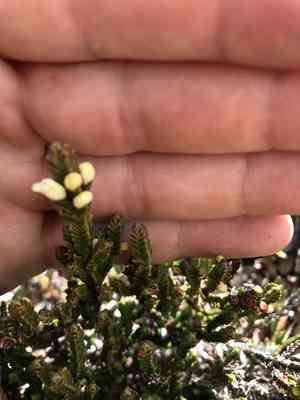
Beyond its functional adaptations, White arctic mountain heather also enhances the visual charm of the often stark arctic landscape. Its deep green leaves and white blossoms create a striking contrast against the tundra, making it a favorite among those interested in the natural beauty of these remote areas. Furthermore, its ability to prosper in rock gardens and alpine settings has made it a sought-after plant among gardeners specializing in robust and decorative species.
Ecological Importance of White arctic mountain heather
Soil Stability and Erosion Prevention
White arctic mountain heather plays a vital role in stabilizing the delicate soils of arctic and subarctic regions. The plant's root system helps bind the soil, preventing erosion caused by strong winds and melting snow. This stabilizing effect is crucial for maintaining the substrate necessary for the survival of many other plant species in these ecosystems.
Providing Habitats
White arctic mountain heather creates small-scale environments that support a variety of wildlife. Its dense foliage offers refuge and nesting sites for numerous insects and small mammals. Additionally, the plant's presence supports pollinators like bees by providing a rare nectar source during the brief arctic summer. Thus, White arctic mountain heather fosters a more diverse and stable ecosystem by acting as a foundational species in its environment.
Practical Applications of White arctic mountain heather
Gardening and Landscaping
Given its hardiness, White arctic mountain heather has become increasingly popular in alpine gardening and landscaping. Gardeners value it for its ability to thrive in rocky, well-drained soils where other plants might struggle. Its aesthetic qualities, combined with its low maintenance needs, make it an ideal choice for creating visually appealing and enduring garden spaces.
Cultural Significance
In some indigenous cultures, White arctic mountain heather has been used in traditional practices for centuries. The plant's various components have been employed in crafting, construction, and even as insulating material due to its tough, fibrous structure. These traditional uses highlight the diverse applications of White arctic mountain heather beyond its ecological functions, reflecting its importance in human history and culture.



