How to Prune Pink shower tree?
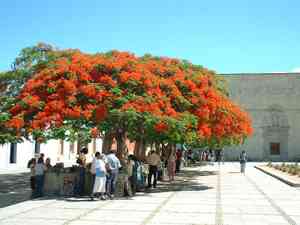
Hailing from warm regions, this blossoming tree is admired for its flowing floral displays. For pink shower tree, annual trimming is recommended to eliminate lifeless or ailing branches and to preserve its form. The best time for pruning is typically in late winter or early spring, in preparation for the active growing period. Reducing the density of the crown improves light access and air circulation, encouraging more robust flowering. Trimming also encourages fresh development at the cut points, contributing to a denser look. For safety, always employ sanitized, sharp implements to avoid spreading pathogens during the trimming procedure.
What Are the Benefits of Pruning Pink Shower Tree?
What Are the Benefits of Pruning Pink Shower Tree?
Trimming pink shower tree promotes vigorous development, allowing the plant to produce strong branches and dense foliage. It also helps maintain an appealing form, which boosts the decorative value of pink shower tree in the landscape.
What Is the Best Time for Pruning Pink Shower Tree?
What Is the Best Time for Pruning Pink Shower Tree?
Pruning or trimming pink shower tree in late winter or early spring is advisable, ensuring the process coincides with the period just before new growth begins. These seasons are considered ideal as this timing allows gardeners to remove any dead or diseased wood before the tree directs its energy into spring growth, which fosters healthier development. Furthermore, performing pruning just prior to the rapid growth phase ensures quick healing of any wounds inflicted on pink shower tree, minimizing infection risks. Late winter and early spring pruning helps to stimulate pink shower tree's flowering since it blooms on new growth; removing old wood encourages an abundant display of flowers. These seasons also prevent the removal of buds, which could diminish the treeâs ornamental display if pruning were done during or after the flowering period that typically occurs in spring and early summer.
What Tools Do I Need to Prune Pink Shower Tree?
Hand Pruners
For young or small branches of pink shower tree, hand pruners are perfect. They enable precise cuts on material up to 3/4 inches in diameter. Ergonomic non-slip handles and sharp blades are crucial for making clean cuts without harming the plant's tissue.
Loppers
Loppers feature long handles that provide leverage to cut through branches up to 2 inches thick, suitable for mature branches of pink shower tree that are out of reach or too thick for hand pruners.
Pruning Saw
For the thickest branches of pink shower tree, exceeding 2 inches in diameter, a pruning saw is essential. A saw with a curved blade can simplify the task due to its ergonomic design and ability to cut on the pull stroke.
Pole Pruner
To reach higher branches without climbing pink shower tree or using a ladder, pole pruners offer extended reach and typically include both a saw and a lopper attachment. They can handle branches up to 1.25 inches in diameter.
Garden Shears
For shaping and trimming thin stems and foliage of pink shower tree, especially around the lower parts of the plant, garden shears allow for quick, clean snips to encourage bushier growth or maintain the shape.
Gloves and Safety Gear
While not cutting tools, appropriate gloves and safety gear are vital when pruning pink shower tree to protect the gardener from thorns and plant sap that may cause skin irritation.
How to Prune Pink Shower Tree
Identify
Examine pink shower tree thoroughly to locate all dead and diseased branches, which often appear withered, discolored, or show signs of fungal infection.
Sanitize
Before starting, sanitize pruning shears with a solution of 1 part bleach to 9 parts water to prevent the spread of diseases.
Cut Diseased Branches
Carefully remove diseased branches from pink shower tree by cutting them at least several inches below the affected area to ensure all diseased tissue is removed.
Trim Dead Branches
Trim dead branches on pink shower tree by making clean cuts at a slight angle just above a bud, lateral branch, or the branch collar, avoiding damage to healthy tissue.
Dispose
Dispose of all removed material from pink shower tree safely, ideally by burning or removing it from the vicinity to prevent the spread of pests and diseases.
Common Pruning Mistakes with Pink Shower Tree
Over-Pruning
Removing too much foliage from pink shower tree at once can stress the tree, potentially leading to stunted growth or reduced flowering. A good rule of thumb is not to remove more than 25-30% of the canopy in a single pruning session.
Improper Cut Locations
Making cuts too close to the trunk or parent branch can damage pink shower tree's natural healing structures, increasing the risk of disease. Conversely, leaving too large of a stub can also prevent proper healing.
Tearing Bark
Careless pruning cuts can lead to bark tearing, which can introduce pests and diseases to pink shower tree. It's important to make sharp, clean cuts to avoid damaging the bark.
Pruning Young Growth
Trimming newly established shoots too early can hinder the natural shape and growth patterns of pink shower tree, affecting its overall health and aesthetic appeal.
Not Sanitizing Tools
Failing to disinfect pruning tools before use on pink shower tree can spread diseases between plants. Sanitization between cuts, especially when dealing with diseased branches, is crucial.
Ignoring Tree Structure
Not considering pink shower tree's natural branching structure and growth habit while pruning can result in an unsightly appearance and compromise the tree's structural integrity.
Common Pruning Tips for Pink Shower Tree
Sharp Tools
Use sharp, clean pruning shears or saws to make precise cuts on pink shower tree. This ensures minimal damage to the tissues and promotes quicker healing.
Angled Cuts
Make cuts at a 45-degree angle about 1/4 inch above outward-facing buds to encourage water runoff and prevent disease while guiding the new growth outward.
Selective Pruning
Focus on removing dead, diseased, or damaged branches from pink shower tree, as well as any crossing or rubbing branches that may create wounds and attract pests.
Follow Branch Angles
When shortening branches, cut just above a lateral branch or bud that points in the direction you wish the new growth to take, respecting pink shower tree's natural growth pattern.
Thin Crown Progressively
Thin the crown of pink shower tree progressively over several seasons if necessary, to improve light and air penetration, rather than all at once to avoid shock.
Maintain Tree Shape
Aim to maintain the characteristic shape of pink shower tree during pruning, enhancing the natural structure rather than trying to force a different form.



