
Pink shower tree (Cassia grandis)
Also known as: Horse cassia, Coral shower, Liquorice tree
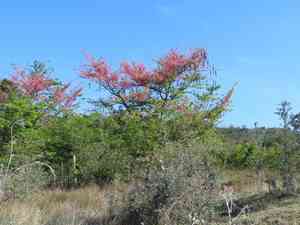
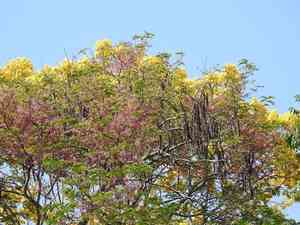
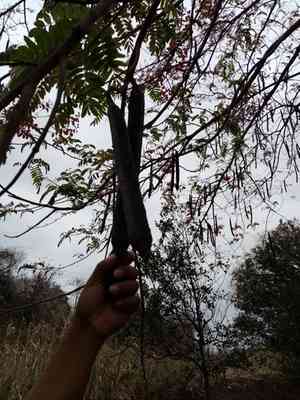
The Pink Shower Tree (Cassia grandis) is recognized for its striking, cascading clusters of pink blossoms that can sometimes overshadow the foliage. It also generates long, woody seed pods, which can be utilized as cattle feed. Additionally, this tree plays a crucial role in supporting local bee populations.
In This Article
Attributes of Pink shower tree
Lifespan
Perennial
Plant Type
Tree
Plant Height
12 m to 18 m
Spread
12 m to 18 m
Leaf Color
Green
Flower Size
Flowers are about 5-8 cm in diameter.
Flower Color
Pink Yellow Red
Images of Pink shower tree
Quickly Identify Pink shower tree
1
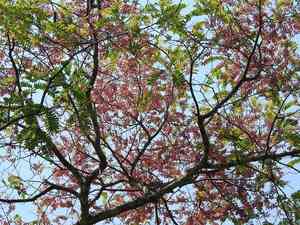
Cassia grandis can be identified by its large, compound leaves with numerous leaflets, its striking pink to coral flowers in clusters, and its elongated cylindrical seed pods that can measure up to 50 cm in length.
Scientific Classification of Pink shower tree
Phylum
Vascular plants
Class
Dicotyledons
Order
Fabales
Family
Legume
Genus
Cassias
Species
Pink shower tree
Planting and Growing of Pink shower tree
Care Difficulty
Easy
Watering Schedule
Every 4 days
Sunlight Requirements
Full sun
Sunshine Duration
4-8 hours
Ideal Temperature
68-86℉
Soil Type
Potting Mix, Peat Mix
Soil pH
6.5-7.5
Fertilizer Type
Balanced
Pruning Season
Spring, Summer
Pruning Area
Branches, Leaves
Pruning Frequency
Once a year
Repotting Season
Spring
Pot Type
Plastic, Ceramic
 How to Water Pink shower tree?
When watering Cassia grandis, aim to saturate the soil thoroughly but ensure good drainage to prevent waterlogging. The goal is to moisten the entire root system, which typically means providing about 1000 milliliters of water per session, allowing any excess to drain freely.
What are the symptoms of an underwatered Pink shower tree?
›
What should I do if my Pink shower tree is not getting enough water?
›
What are the symptoms of an overwatered Pink shower tree?
›
How to save an overwatered Pink shower tree?
›
 What Are the Sunlight Requirements for Pink shower tree?
Cassia grandis requires a minimum of 6-8 hours of sunlight daily. Proper light exposure ensures effective photosynthesis, vibrant blooming, and robust foliage, maintaining the plant's energy and vitality.
More About Sunlight Requirements Techniques→
What is the best lighting position?
›
How can you achieve ideal lighting?
›
What benefits can ideal lighting provide?
›
 What Is the Ideal Temperature Range for Pink shower tree?
The ideal temperature range for Cassia grandis is between 68°F and 86°F. This range ensures optimal growth and development as it closely mimics the native habitat conditions where these plants thrive. Maintaining this temperature helps in promoting active photosynthesis and nutrient absorption, essential for healthy growth.
 What Soil is Best for Pink shower tree?
Cassia grandis thrives best in well-drained soil, which prevents root rot by allowing excess water to percolate easily. Such drainage enhances nutrient uptake by roots, leading to robust growth and vibrant flowering. This plant prefers moderate soil fertility. Too rich a soil might promote excessive leaf growth at the expense of flowers, while poor soil could inhibit growth and flower production. Cassia grandis requires soil that retains enough moisture to sustain it during dry spells, yet doesn’t oversaturate in heavy rains. Proper moisture balance ensures steady growth and resistance to drought stress.
 How to Fertilize Pink shower tree?
For Cassia grandis, appropriate fertilizing amounts are crucial for healthy growth. A balanced liquid fertilizer should be diluted to half-strength, applying 300-500 ml per plant depending on size. For solid slow-release fertilizers, use about 100 grams per plant, evenly distributed around the root zone. Adjustments should be made based on growth rate and seasonal changes.
 How to Prune Pink shower tree?
To prune Cassia grandis, begin by sterilizing your cutting tools with a bleach solution to prevent disease spread. Focus on removing dead, diseased, and damaged branches first. Cut at a 45-degree angle to avoid water accumulation that can cause rot. Aim to maintain an open center to enhance air circulation and sunlight penetration, which are essential for robust growth. Also, trim back any excessively long branches to a uniform size, ensuring a balanced shape.
More About Pruning Techniques→
 How to Propagate Pink shower tree plant?
1
Before planting, seeds need soaking in warm water for 24 hours to enhance germination. This step helps to soften the seed coat, making it easier for the seedling to emerge.
2
Plant the seeds in a seed tray filled with a well-draining soil mix. Cover them lightly with soil and water gently. Maintain soil moisture by misting, not flooding, which supports consistent germination of seeds.
3
Select healthy stem cuttings of about 6-8 inches. Remove leaves from the lower part, ensuring nodes are available for root growth. Use rooting hormone for improved chances of successful propagation.
 How to Repot Pink shower tree plant?
1
Cassia grandis should be repotted when roots are visibly outgrowing the drainage holes, or when the soil retains water for too long. These are signs the plant needs more space or fresh soil. Early signs of roots circling around the base of the pot or reduced growth rate can also indicate the need for repotting. Choosing a warm season such as spring or summer allows the plant to establish itself better in its new environment.
2
Select a pot that is 2-3 inches larger in diameter than the current one to encourage healthy root expansion without overstressing the plant. Ensure it has adequate drainage holes to prevent water stagnation, which can harm the roots. A slightly larger pot helps maintain adequate soil moisture while providing space for growth, minimizing root-bound issues.
3
Use a well-draining loamy mix enriched with organic matter like compost to provide nutrition and prevent water from accumulating. This type of soil balances moisture retention and drainage, supporting robust root growth. The loamy texture ensures adequate air circulation in the roots, reducing risk of root rot and promoting vigorous plant development.
Toxicity
Ingestion
WARNING
The judgment on toxicity and danger is for reference only. We DO NOT GUARANTEE any accuracy of such judgment. Therefore, you SHALL NOT rely on such judgment. It is IMPORTANT TO SEEK PROFESSIONAL ADVICE in advance when necessary.
Learn More About Pink shower tree Diseases
Anthracnose
Bacterial Leaf Spot
Bacterial Soft Rot
Bacterial Wilt
Black Spot
Chemical Injury
Crown Gall
Cyst Nematode
Damping-off
Drought Stress
Fusarium Wilt
Gray Mold
Leaf Curl
Leaf Spot
Mosaic
Nutrient Deficiency
Nutrient Toxicity
Powdery Mildew
Root Rot
Root-knot Nematode
Rusts
Sooty Mold
Spider Mites
Temperature Stress
Thrips Damage
White Mold



