The Pink shower tree Plant Advantage: Maximizing Home and Office Appeal and Wellness
1
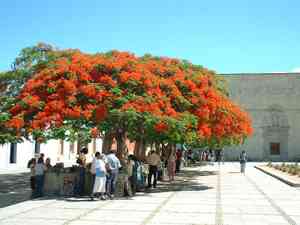
This botanical specimen showcases magnificent pink flowers, enhancing any outdoor space.
2
Its components are frequently employed in folk medicine and herbal preparations.
3
The arboreal species flourishes across diverse weather patterns, providing adaptability for cultivation.
Why Consider Cultivating the Pink Shower Tree?
Visual Allure
A standout characteristic of the Pink shower tree is its stunning pink flowers. These cascading floral clusters can instill a romantic and tranquil ambiance in any garden. The tree blooms profusely, offering a visually captivating display that can elevate the mood of your outdoor area.
Environmental Advantages
Beyond its visual charm, the Pink shower tree provides several ecological benefits. It offers shade, which can help regulate garden temperatures and lessen the need for artificial cooling. Its extensive root system also aids in preventing soil erosion, making it an excellent choice for areas prone to flooding. Furthermore, its flowers attract pollinators like bees and butterflies, contributing to biodiversity.
Cultivation Guide for Pink Shower Tree
Optimal Growth Conditions
The Pink shower tree thrives in well-drained soil and requires full sun to partial shade for peak growth. It is relatively drought-tolerant once established, but young trees need consistent watering. If planting in cooler climates, consider applying mulch around the base to retain moisture and stabilize soil temperature.
Trimming and Upkeep
Pruning is vital for maintaining the form and health of the Pink shower tree. Remove dead or diseased branches to encourage new growth and improve air circulation. Prune the tree after its blooming season to avoid cutting off next year's flower buds. Regular maintenance will not only enhance its appearance but also extend its lifespan.
Health and Practical Benefits of Pink Shower Tree
Traditional Medicinal Uses
The Pink shower tree has been utilized in various traditional remedies. While specific applications are rooted in indigenous knowledge and cultural practices, the tree's natural compounds have been employed in different ways. Always consult local guidelines to understand safe practical uses.
Ecological Contributions
This tree is an excellent option for afforestation and reforestation projects due to its rapid growth and soil-binding properties. Its ability to fix nitrogen also enriches the soil, making it more fertile for other plants. Additionally, the Pink shower tree can act as a carbon sink, helping to mitigate climate change by absorbing atmospheric carbon dioxide.
Distinctive Qualities of the Pink Shower Tree
Cultural Significance
The Pink shower tree holds cultural importance in several regions where it is indigenous. The tree is often linked with celebrations and is used in various traditional ceremonies. Its presence in public parks and gardens can add a touch of cultural heritage and historical value.
Landscaping Versatility
Thanks to its adaptability, the Pink shower tree can be incorporated into diverse landscaping designs. Whether you aim to create a singular focal point or a shade-providing canopy, this tree can fulfill various requirements. Its vibrant blooms make it an excellent choice for both residential and public spaces, enhancing aesthetic appeal while offering practical advantages.
How the Pink Shower Tree Enhances Biodiversity
Attracting Wildlife
The vivid flowers of the Pink shower tree act as a magnet for various pollinators, including bees, butterflies, and birds. This not only aids in the plant's reproduction but also supports local ecosystems by providing food sources for these creatures. Increased pollinator activity can further boost your garden's biodiversity.
Supporting Local Flora and Fauna
The Pink shower tree plays a crucial role in supporting local plant and animal life. Its shade can help other plants grow more effectively by reducing water evaporation and offering protection from extreme weather. The tree's fallen leaves and flowers add nutrients to the soil, fostering a healthier environment for surrounding vegetation.



