How to Prune Jaggery palm?
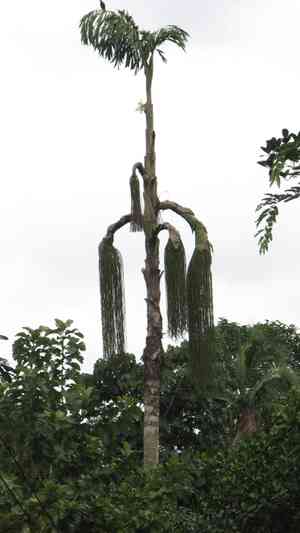
A majestic fan-palm, jaggery palm is recognized for its fishtail-like foliage and considerable stature. Trimming entails eliminating deceased or decaying fronds, seed clusters, and blossoms to stimulate development and preserve its look. The optimal period for trimming is early spring or late winter, during jaggery palm's inactive phase, to lessen strain. Pruning improves plant well-being, can avert dangers, and ought to be performed with sanitized tools to stop illness transmission. Exercise care because of jaggery palm's sharp leafstalks.
What Are the Benefits of Pruning Jaggery Palm?
What Are the Benefits of Pruning Jaggery Palm?
Trimming jaggery palm promotes robust development and preserves its attractive shape. Strategic removal of growth prevents unwanted spread, ensuring the palm stays healthy and well-proportioned within its setting.
What Is the Best Time for Pruning Jaggery Palm?
What Is the Best Time for Pruning Jaggery Palm?
Pruning jaggery palm during late winter or early spring is recommended due to the plant's dormant phase, which occurs in colder months. This timing allows for the removal of dead or damaged fronds before the next growth cycle begins, reducing stress on jaggery palm and optimizing recovery. The dormant period means fewer leaves for photosynthesis, lessening the impact of cutting back on the plantâs energy reserves. Additionally, pruning before warmer weather arrives helps prevent sap bleeding, which can attract pests and diseases. It also ensures jaggery palm has ample time to heal before the peak growth season in late spring and summer, leading to vigorous growth and a well-formed canopy. This period typically avoids the flowering and fruiting seasons, thus not affecting the reproductive cycle of jaggery palm.
What Tools Do I Need to Prune Jaggery Palm?
Long-Handled Pruners
Given the potential height of jaggery palm, long-handled pruners will be crucial for reaching and trimming fronds. This tool enables safe pruning from the ground without needing a ladder.
Pole Saw
Jaggery palm is known for its tall growth, so a pole saw might be necessary for safely trimming very high fronds from the ground. Its extendable handle and saw blade are suitable for cutting through thicker, otherwise inaccessible branches.
Loppers
For thicker fronds and stems, loppers will provide the leverage needed to make clean cuts without harming jaggery palm. Their long handles and strong blades make them ideal for cutting through stems too thick for standard pruners.
Hand Pruners
These will be useful for more precise or delicate pruning tasks on jaggery palm, such as removing smaller damaged fronds or shaping the foliage. Hand pruners are also essential for making clean cuts on thinner stems.
Pruning Saw
If jaggery palm has dead or very thick fronds, a pruning saw may be required. It is designed to cut through thicker wood that hand pruners and loppers cannot handle.
Gloves and Safety Gear
Due to the sharp edges of the fronds and the potential height involved when pruning jaggery palm, it is advisable to use heavy-duty gloves and safety gear like goggles and a helmet to protect against falling debris and sharp edges.
How to Prune Jaggery Palm
Cleaning tools
Before pruning jaggery palm, ensure all tools are cleaned and sanitized to prevent the spread of disease.
Identification
Carefully examine jaggery palm to identify diseased or withered leaves. Look for any signs of discoloration or damage that differentiate them from healthy foliage.
Safety precautions
Wear protective gloves and use a sturdy ladder if needed when pruning jaggery palm, as the leaves can be large and high.
Pruning withered
Using sharp pruning shears, cut the withered leaves at their base where they meet the trunk or branch. Make a clean, angled cut to allow water to run off and deter disease.
Pruning diseased
Remove diseased leaves from jaggery palm by cutting them back to the point of healthy tissue to ensure complete removal of any affected areas. Dispose of the removed foliage properly to prevent contamination.
Common Pruning Mistakes with Jaggery Palm
Overpruning
Removing too many leaves or branches from jaggery palm can impede its natural growth and cause undue stress, weak development, or susceptibility to disease.
Imprecise cuts
Making rough or jagged cuts on jaggery palm can encourage disease and pest entry. This typically results from using dull or unsuitable pruning tools.
Pruning at incorrect angles
Cuts made at improper angles can lead to water accumulation in jaggery palm, fostering rot and fungal infections.
Snipping flowering stems
Accidental cutting of flowering stems on jaggery palm is a common error that reduces the plant's ability to produce its characteristic flowers and subsequent fruits.
Ignoring dead fronds
Failing to regularly remove dead or dying fronds from jaggery palm can hinder its overall health and aesthetic appeal, as these parts can harbor pests and diseases.
Pruning too close to the trunk
Cutting fronds too near the trunk of jaggery palm can create wounds that are difficult to heal, making the plant more susceptible to microbial infections.
Common Pruning Tips for Jaggery Palm
Use sharp tools
Always use sharp, clean pruning tools to make clean, precise cuts on jaggery palm which facilitate quick healing and reduce the risk of infections.
Cut at proper angles
When pruning jaggery palm, angle cuts away from the trunk to prevent water accumulation, which minimizes the risk of rot and disease.
Scheduled maintenance
Regularly inspect jaggery palm for dead or dying fronds, and prune these selectively to maintain plant health without overdoing it.
Protective gear
Always wear protective gloves and eye protection when pruning jaggery palm to avoid injury from the plantâs spiky fronds and the sap, which can be an irritant.
Minimal pruning
As jaggery palm has a self-cleaning mechanism, minimal pruning is advised; only remove fronds that are completely brown or pose a structural danger.
Consider plant size
Be mindful of jaggery palm's ultimate size and prune accordingly, to shape the growth of the plant without compromising its natural structure.



