How to Overwinter Jaggery palm
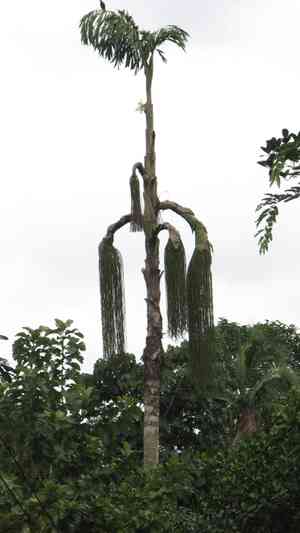
1
The Jaggery palm is delicate and susceptible to frost damage.
2
Keep indoor humidity levels near 50% for best development.
3
Jaggery palm thrives in bright, indirect illumination throughout winter.
Why is Overwintering Important for Jaggery palm?
Why is Overwintering Important for Jaggery palm?
Overwintering is vital for shielding your Jaggery palm from cold weather. As a delicate plant, it's highly vulnerable to frost damage and low temperatures, which can cause severe stress or even death. The process of overwintering, involving moving the palm indoors to a more controlled setting, ensures its survival through harsh winter months. Proper care during this period helps the Jaggery palm continue to flourish and remain healthy until it's time to return outside.
Preparing Jaggery palm for Winter
Assessing Plant Health
Start by evaluating your Jaggery palm's overall health. Look for indications of disease, pests, or other stress factors. Address any issues quickly to ensure the plant is in the best possible state before bringing it inside. Healthy plants are better equipped to handle the change and have a greater chance of thriving through winter.
Cleaning and Pruning
Clean your Jaggery palm by gently washing its leaves to remove dust and potential pests. Pruning is also crucial; trim away any dead or damaged leaves to enhance air circulation and lower disease risk. Removing excess foliage can help the plant conserve energy during winter's lower light conditions.
Soil and Pot Preparation
Inspect the soil and repot if necessary. A well-draining soil mix is essential to prevent root rot, which can worsen in indoor conditions. Ensure the pot has adequate drainage holes and is the correct size to support root growth. Replacing some old soil with fresh, nutrient-rich soil can provide the plant with the sustenance it needs to last through the winter.
Indoor Care During Winter
Optimal Lighting Conditions
Position your Jaggery palm in a bright spot where it receives indirect sunlight. Avoid direct sun exposure as it can scorch the leaves. A south or east-facing window is typically ideal. If natural light is insufficient, consider using a grow light to ensure your plant gets enough illumination.
Humidity and Temperature Control
Jaggery palm thrives in a humid environment, ideally around 50% humidity. Indoor heating can dry out the air, so using a humidifier or placing a water tray near the plant can help maintain the required moisture level. Keep the temperature between 18-29°C (65-85°F) to mimic its natural tropical climate. Avoid drafts and sudden temperature shifts to prevent stress.
Watering Guidelines
Watering needs change during winter. Overwatering can be harmful, leading to root rot. Check the soil moisture regularly and water only when the top 2-3 cm (about 1 inch) of soil feels dry. Ensure excess water can drain away to prevent waterlogged soil. Be careful not to let the pot sit in standing water.
Common Issues and How to Troubleshoot
Preventing Pest Infestations
Indoor environments can sometimes encourage pests like spider mites or mealybugs. Regularly inspect your Jaggery palm for any signs of pests and treat infestations promptly using insecticidal soap or neem oil. Cleaning the leaves can also help deter pests.
Disease Management
Fungal infections are common in indoor plants due to high humidity. Ensure good air circulation around your Jaggery palm and avoid overhead watering to reduce the risk. If you notice signs of disease, such as discolored spots or mold, remove affected areas and treat with an appropriate fungicide.
Recognizing and Correcting Environmental Stress
Watch for signs like yellowing leaves, drooping, or slow growth, which may indicate environmental stress. Adjust lighting, humidity, or watering routines as needed. Consistency is key in making sure your Jaggery palm acclimates properly to its indoor setting.
How to Transition Jaggery palm Back Outdoors
Gradual Adjustment to Outdoor Conditions
When the risk of frost has passed and temperatures are consistently warm, begin reintroducing your Jaggery palm to outdoor conditions. Start by placing it in a shaded area for a few hours each day, gradually increasing the time and sunlight exposure over the course of a week or two.
Monitoring for Shock and Adaptation
After transitioning outdoors, keep a close eye on your Jaggery palm for signs of shock such as leaf drop or yellowing. Provide extra care and gradually adapt your watering and feeding routines to the outdoor environment. Patience and careful monitoring will help your plant acclimate smoothly.



