How to Prune Britton's sedge?
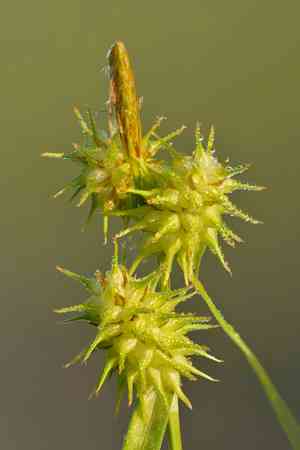
Carex brittonii, recognized for its clustered growth pattern and slender blades, thrives with trimming performed in late winter or early spring. Cut away any deceased or compromised leaves to encourage more robust development and enhance air movement. Eliminate all faded flower stems to preserve a tidy look. Consistent trimming aids in preventing excessive density and bolsters the plant's vitality. Utilize sanitized, keen implements to avert the spread of pathogens, thereby improving the endurance and visual charm of Carex brittonii's foliage and form.
Advantages of Trimming Britton's Sedge
Advantages of Trimming Britton's Sedge
Britton's sedge benefits from trimming by promoting vigorous growth and maintaining its form. Regular trimming encourages robust development, manages plant size, and enhances appearance, aiding in pest and disease resistance.
Optimal Period for Pruning Britton's Sedge
Optimal Period for Pruning Britton's Sedge
Pruning or trimming britton's sedge during early spring and winter is ideal as it aligns with its dormant phase. Trimming in early spring, just before the growth season begins, allows the plant to recover quickly and stimulates healthy new growth. Winter pruning, when the plant is not actively growing, helps minimize stress and enables the plant to conserve energy for the upcoming growth period. Additionally, pruning during these seasons lowers the risk of pest infestations and diseases that are more common during warmer growing months.
Required Tools for Pruning Britton's Sedge
Hand Pruners
Perfect for cutting small stems and foliage, ensuring clean cuts for healthy regrowth.
Garden Scissors
Useful for precise trimming of delicate and fine foliage without harming surrounding growth.
Pruning Shears
Suitable for removing thicker stems and ensuring sharp, clean cuts to prevent disease.
Gloves
Essential for protecting hands from sharp edges and providing a firm grip on tools.
How to Prune Britton's Sedge
Inspection
Examine britton's sedge carefully to identify any diseased or withered leaves that require trimming. Look for any signs of discoloration, lesions, or wilting.
Sterilization
Before pruning, sterilize your pruning shears with alcohol or a bleach solution to prevent the spread of disease.
Cut angle
Make clean cuts at a 45-degree angle close to the base of the diseased or withered leaves. This helps promote proper drainage and reduces the risk of further infection.
Disposal
Dispose of all trimmed diseased and withered leaves properly by placing them in a sealed bag to prevent the spread of pathogens to healthy parts of britton's sedge.
Clean up
After pruning, clean any fallen debris around britton's sedge to maintain a healthy growing environment and minimize the risk of disease.
Common Pruning Errors with Britton's Sedge
Over-pruning
Cutting back too much foliage at once can stress britton's sedge and hinder its growth and recovery. It's better to trim little by little rather than removing large parts of the plant all at once.
Improper Tool Use
Using dull or dirty tools can damage britton's sedge by causing jagged cuts and introducing infections. Always ensure pruning tools are sharp and clean.
Cutting Too Low
Pruning too close to the base of britton's sedge can damage emerging shoots and stunt the plant's development. It's crucial to understand the growth patterns and avoid cutting new growth points.
Ignoring Plant Health
Pruning britton's sedge when it's unhealthy or stressed can exacerbate its condition. Always assess the plant's health before pruning and address any underlying issues first.
General Pruning Advice for Britton's Sedge
Light Trimming
Regularly perform light trimming to maintain the desired shape of britton's sedge and to encourage denser growth. Remove spent or diseased foliage promptly.
Tool Care
Keep your pruning tools sharp and clean. Disinfect the tools between uses, especially if you've pruned a plant that was diseased, to prevent cross-contamination.
Strategic Cuts
Make clean, angled cuts just above a node or leaf bud to promote new growth and reduce water retention, which can lead to fungal issues.
Monitor Growth
Observe britton's sedge for any signs of overgrowth or dieback. Tailor your pruning approach based on the plant's growth patterns and health status.
Prune in Stages
If significant pruning is needed, do it in stages over a period of time rather than all at once. This helps britton's sedge to adjust and reduces the risk of shock.



