How to Propagate Britton's sedge?
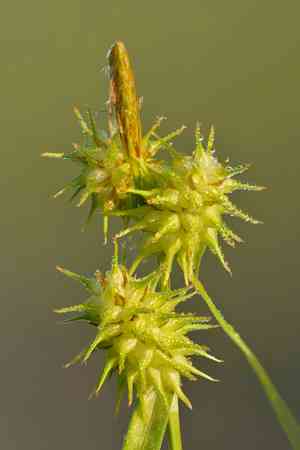
Carex brittonii is a perennial grass-like plant frequently encountered in damp grasslands and wetlands. To multiply Carex brittonii, separate the clusters in early spring or late autumn, making sure each segment possesses multiple sprouts and a robust root structure. Position the separated portions at the identical depth as the parent plant in damp, adequately draining earth. Consistent irrigation is crucial until the young plants become established, guaranteeing proper root-to-soil adherence.
Optimal Time for Britton's Sedge Propagation
Propagation Method
Splitting
Propagation Period
Spring,Autumn
Tools Required for Britton's Sedge Propagation
Sharp Knife or Spade
Utilized for separating the root ball of britton's sedge during the division process. A clean, sharp edge minimizes tissue damage, promoting faster recovery and lowering infection risk.
Pruning Shears
Helpful for trimming any damaged or dead foliage from britton's sedge before and after division. Maintaining tidy foliage encourages healthier development and reduces plant stress.
Garden Gloves
Shields hands from potential irritants when handling the roots and leaves of britton's sedge. Quality gloves offer comfort and safety, allowing for precise handling of delicate roots.
Sterilizing Solution
Crucial for sanitizing tools such as knives, spades, and shears before and after use to prevent pathogen spread. This ensures hygienic propagation of britton's sedge and maintains plant health.
Watering Can or Hose with Gentle Spray
Essential for ensuring newly divided britton's sedge clumps receive adequate water without causing soil erosion or root damage. A soft spray delivers sufficient moisture uniformly around the plant.
Pots and Containers
Employed for transplanting divided sections of britton's sedge to encourage root development in a controlled setting before moving them to their permanent spot. Proper drainage in these containers is vital to prevent waterlogging.
Rooting Hormone
Though not always essential, applying a rooting hormone can boost the development of new roots in britton's sedge, increasing the likelihood of successful propagation.
How to Propagate Britton's Sedge?
Propagation Type
Simple
Caring for Your Newly Propagated Britton's Sedge
Caring for Your Newly Propagated Britton's Sedge
Post-propagation, britton's sedge needs consistent watering to keep the soil moist. Observe plants for stress indicators, such as wilting or yellowing leaves, and adjust irrigation as needed. Britton's sedge thrives in well-draining soil but benefits from steady moisture. Applying mulch around the base can help retain soil moisture and control weeds. Additionally, remove dead or damaged leaves to promote robust growth. Light fertilization during the growing season with a balanced, slow-release product can support vigorous development. Regularly inspect for pests or diseases and address any issues promptly.
Common Errors to Avoid When Propagating Britton's Sedge
Overwatering
Excessive moisture can lead to root rot and fungal infections, hindering the growth of britton's sedge.
Inappropriate soil selection
Using soil that is too compact or lacks proper drainage can suffocate roots, impeding effective growth and propagation.
Ignoring light requirements
Failing to provide adequate sunlight can result in weak, elongated growth as britton's sedge needs sufficient light to flourish.
Using unsanitized tools
Propagating with unclean tools can introduce pathogens, leading to plant diseases and reducing the chances of successful propagation.
Incorrect cutting method
Improperly taking cuttings can harm the parent plant and decrease the viability of the cuttings, leading to low propagation success.
Advice for Propagating Britton's Sedge
Utilize well-drained soil
Choose a soil mix that ensures good drainage to prevent waterlogging and root rot in britton's sedge.
Moderate watering
Water britton's sedge moderately, keeping the soil damp but not saturated to avoid water-related ailments.
Position in partial shade
Place britton's sedge in an area with partial shade to provide optimal light conditions for healthy development.
Sanitize tools
Ensure all cutting and propagation tools are thoroughly sterilized to minimize the risk of infection or disease transmission.
Take healthy cuttings
Select robust, vigorous parts of britton's sedge for cuttings to maximize the likelihood of successful propagation.



