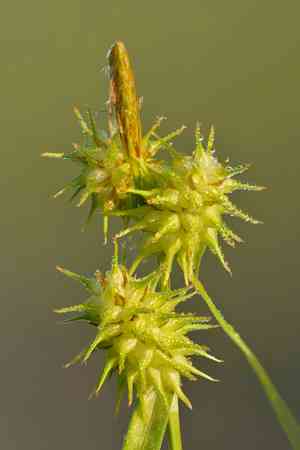
Britton's sedge (Carex tetrastachya)
Also known as: None
Britton's sedge (Carex brittoniana) is notable for its narrow, grass-like leaves and distinctive cylindrical flower spikes. This perennial sedge forms dense clumps and has triangular stems. Flowering typically occurs from late spring to early summer, with its small, wind-pollinated flowers.
The natural habitat of Britton's sedge includes moist, shaded areas such as wet meadows, stream banks, and forested wetlands. It prefers rich, well-drained soils that remain consistently moist. Native to parts of North America, Britton's sedge thrives in temperate climates.
In This Article
Attributes of Britton's sedge
Lifespan
Perennial
Plant Type
Grass
Plant Height
30 cm to 91 cm
Spread
Not applicable
Leaf Color
Green
Flower Size
Small, not typically measured
Flower Color
Brownish or green
Images of Britton's sedge
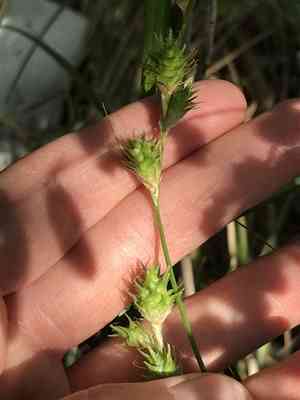
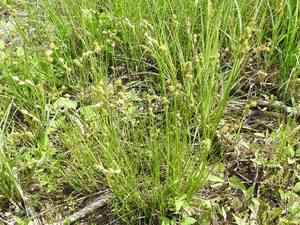
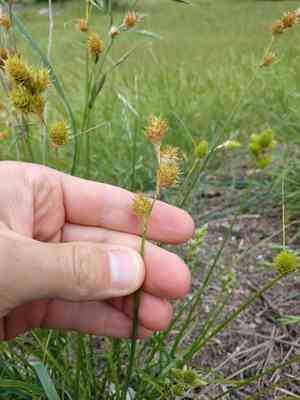
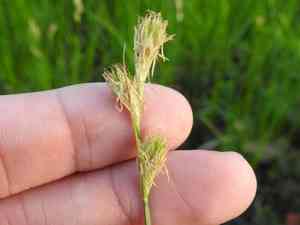
Quickly Identify Britton's sedge
1
Look for dense, grass-like clumps. The plant has a characteristic inflorescence with multiple spikelets grouped together. Its leaves are linear and elongated, resembling grass.
Scientific Classification of Britton's sedge
Phylum
Vascular plants
Class
Monocotyledons
Order
Poales
Family
Sedge
Genus
True sedges
Species
Britton's sedge
Planting and Growing of Britton's sedge
Care Difficulty
Moderate
Watering Schedule
Every 3 days
Sunlight Requirements
Partial sun
Sunshine Duration
6-8 hours
Ideal Temperature
60-75℉
Soil Type
Potting Mix, Peat Mix
Soil pH
6.5-7.5
Fertilizer Type
Balanced
Pruning Season
Spring, Summer
Pruning Area
Branches, Leaves
Pruning Frequency
2 times a year
Repotting Season
Spring
Pot Type
Plastic, Ceramic
 How to Water Britton's sedge?
When watering Carex tetrastachya, aim to thoroughly soak the soil but ensure that excess water can drain away. The root zone should be damp to the touch without being waterlogged. This helps maintain balanced moisture levels, preventing root rot while supporting healthy growth.
What are the symptoms of an underwatered Britton's sedge?
›
What should I do if my Britton's sedge is not getting enough water?
›
What are the symptoms of an overwatered Britton's sedge?
›
How to save an overwatered Britton's sedge?
›
 What Are the Sunlight Requirements for Britton's sedge?
To foster optimal growth, Carex tetrastachya should receive partial sun exposure. Ideal lighting supports robust leaf development and healthy roots, providing the energy necessary for vigorous growth.
What type of light does Carex tetrastachya thrive in?
›
How can I ensure Carex tetrastachya gets ideal light?
›
What are the benefits of ideal lighting for Carex tetrastachya?
›
 What Is the Ideal Temperature Range for Britton's sedge?
Carex tetrastachya thrives best in a temperature range of 60 to 75 degrees Fahrenheit. Maintaining this temperature range is crucial for optimal growth and development, ensuring that the plant has the right conditions for photosynthesis and nutrient uptake.
 What Soil is Best for Britton's sedge?
Carex tetrastachya thrives in well-drained soil, which allows excess water to escape and prevent root rot. This is crucial for maintaining healthy roots and overall plant vigor. This plant does well in soil enriched with organic matter. Nutrient-rich soil supports its growth and ensures lush, robust foliage vital for its survival and flower production. While requiring good drainage, soil should also retain enough moisture to sustain the plant between watering. Proper moisture retention helps maintain optimal hydration levels for Carex tetrastachya.
 How to Fertilize Britton's sedge?
For Carex tetrastachya, applying too much or too little fertilizer can have adverse effects on its growth. Liquid fertilizers should be applied at half the recommended strength to avoid burning the roots, which usually amounts to around 1 tablespoon per gallon of water. Slow-release fertilizer, on the other hand, should be used sparingly, with 1 to 2 teaspoons per square foot of ground being a reasonable amount to ensure optimal growth without causing nutrient overload.
 How to Prune Britton's sedge?
Start pruning by cutting back the old flower stalks to the base of the plant. This should be done in early spring to give room for new growth. Trim back the dead leaves and any faded flowers during summer for maintaining the plant’s tidy appearance. During late summer, further tidy up the plant by removing any wilted or dead growth. This not only keeps the plant looking fresh but also prepares it for the rigors of the approaching autumn.
More About Pruning Techniques→
 How to Propagate Britton's sedge plant?
1
Collect mature seeds from Carex tetrastachya in the early spring. Ensure the seeds are dry before storage by placing them in a cool, dry place. This prevents mold and increases the likelihood of successful germination.
2
Use a well-draining soil mix tailored for sedges, which replicates their natural environment. Mix garden compost with sand to improve drainage, and fill containers three-quarters full before planting the seeds.
3
In spring, dig up an established Carex tetrastachya clump and gently separate it into smaller sections with roots intact. Ensure each division has several leaves and healthy roots, then replant them at the same depth they were growing.
 How to Repot Britton's sedge plant?
1
Consider repotting your Carex tetrastachya when you observe signs such as roots growing out of the drainage holes or the plant's growth appearing stunted. These signs indicate the plant is outgrowing its current pot and needs more room to flourish. Ideally, repot during its active growing seasons in spring or summer for best results.
2
When selecting a pot for Carex tetrastachya, ensure you choose one with ample drainage holes to prevent waterlogging, which this plant dislikes. Opt for a pot that is one to two sizes larger than the current one to provide sufficient space for root expansion without overwhelming the plant. A larger pot with good drainage will ensure healthy growth and development.
3
For repotting Carex tetrastachya, choose a well-draining, sandy soil mix. This type of soil allows for easy drainage and prevents water from accumulating, which in turn reduces the risk of root rot. A sandy, mixed soil also facilitates aeration and nutrient access, boosting the plant's health and vitality.
Learn More About Britton's sedge Diseases
Anthracnose
Bacterial Leaf Spot
Bacterial Soft Rot
Cyst Nematode
Damping-off
Downy Mildew
Drought Stress
Fusarium Wilt
Gray Mold
Leaf Spot
Mosaic
Nutrient Deficiency
Nutrient Toxicity
Powdery Mildew
Root Rot
Root-knot Nematode
Rusts
Sooty Mold
Spider Mites
Temperature Stress
Thrips Damage
White Mold



