How to Prune Rigid sedge?
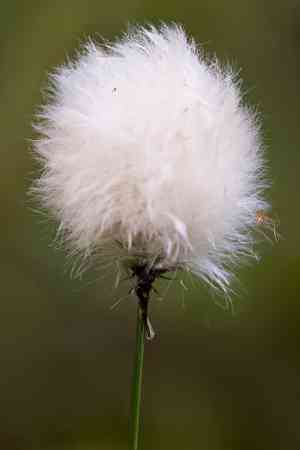
A resilient perennial grass, rigid sedge, recognized for its clustered growth pattern, thrives with trimming in late winter or early spring. Eliminate any withered or compromised leaves to improve air movement and stimulate fresh development. Reducing the plant to near ground level during its inactive periods assists in preserving its neat look and vitality. Consistent trimming averts excessive density and lowers the likelihood of ailments. Always employ sharp, sanitized implements for optimal outcomes, as recommended by gardening specialists.
What Are the Benefits of Pruning Rigid Sedge?
What Are the Benefits of Pruning Rigid Sedge?
Trimming rigid sedge promotes robust development, maintains its desired form, and prevents overcrowding. Consistent pruning helps rigid sedge resist pests and diseases, ensuring a healthier, more attractive plant.
What Is the Best Time for Pruning Rigid Sedge?
What Is the Best Time for Pruning Rigid Sedge?
Pruning rigid sedge in early spring is optimal as it allows the plant to recover and establish vigorous new growth at the start of the growing season. During this period, rigid sedge is not actively growing, reducing the risk of damaging new shoots and fostering a strong growth cycle. Winter pruning is also advantageous because the plant is dormant, which minimizes stress and helps avoid any potential impact on its flowering or fruiting periods. Performing pruning during these seasons helps ensure the plant's overall health and resilience.
What Tools Do I Need to Prune Rigid Sedge?
Bypass Pruners
Perfect for precise cuts on thinner, more delicate parts of rigid sedge, ensuring clean cuts without crushing the stems.
Scissors
Useful for fine trimming and shaping of rigid sedge, allowing for more detailed work around the plant.
Shears
Excellent for cutting back larger clumps of rigid sedge efficiently, particularly at the end of the growing season.
How to Prune Rigid Sedge
Preparation
Sanitize your pruning tools with a 70% isopropyl alcohol solution to prevent the spread of disease.
Inspection
Examine rigid sedge for any indications of diseased or withered leaves. Diseased leaves may show discoloration, spots, or necrotic patches, while withered leaves appear dry and lifeless.
Trimming Diseased Leaves
Carefully cut away any diseased leaves at their base using sterilized pruning shears. Dispose of these leaves in a sealed bag to prevent the spread of disease to other plants.
Trimming Withered Leaves
Remove withered leaves by gently pulling them away from the base. If they do not easily detach, use scissors or shears to trim them off cleanly.
Aftercare
Monitor rigid sedge closely for any new signs of disease or withering, and water appropriately to maintain soil moisture without overwatering. Regularly sterilize tools before each use.
Common Pruning Mistakes with Rigid Sedge
Over-pruning
Removing too much foliage can weaken rigid sedge and inhibit its growth. This plant does not require heavy pruning and should be pruned conservatively.
Incorrect technique
Using dull or unclean tools can damage the plant and introduce diseases. Slicing rather than crushing stems ensures a cleaner cut and promotes quicker healing.
Pruning at wrong height
Cutting rigid sedge too close to the ground can harm the plant and stunt its growth. Avoid cutting too low to preserve the plant's health and structure.
Common Pruning Tips for Rigid Sedge
Use sharp and clean tools
Ensure your pruning shears or scissors are sharp and disinfected to make clean cuts and prevent disease.
Minimal trimming
Only trim dead or damaged foliage. This encourages the plant to focus energy on healthy growth and prevents stress from excessive pruning.
Follow the natural shape
Prune rigid sedge to maintain its natural shape. Avoid creating unnatural forms which can strain the plant and affect its growth.



