How to Propagate Rigid sedge?
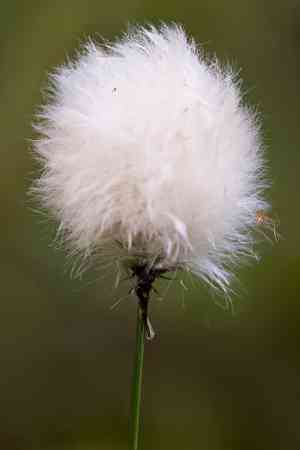
A species within the Cyperaceae family, rigid sedge flourishes in damp to saturated environments. Its primary method of reproduction is through division, and it benefits from the meticulous separation of its rhizomes to foster vigorous development. Supplying continuous hydration and a shaded location enhances its successful establishment. Guaranteeing adequately draining soil is crucial to avert excessive water accumulation. Consistent upkeep and defense against infestations will encourage strong growth in cultivated areas.
When Is the Optimal Time to Propagate Rigid Sedge?
Propagation Method
Separation
Propagation Period
Spring,Autumn
What Tools Are Utilized for Rigid Sedge Propagation?
Garden Spade
A garden spade is vital for carefully excavating around the root ball of rigid sedge. Its sharp edge assists in cleanly severing the root mass, minimizing plant damage during division.
Sharp Knife or Pruning Shears
A sharp knife or pruning shears is essential for precisely dividing the root clump of rigid sedge into smaller portions. This ensures a clean cut, reducing disease risk and promoting faster plant recovery.
Hand Trowel
A hand trowel is useful for transplanting the separated sections of rigid sedge into their new spots. Its compact size makes it perfect for tight areas and ensuring roots are properly covered with soil.
Root Washing Station
A root washing station, which could simply be a hose with an adjustable nozzle or a tub of water, aids in cleaning rigid sedge roots before division. This allows for better root system inspection and ensures sections are free from soilborne pathogens.
Organic Mulch
Organic mulch safeguards the divided rigid sedge sections after planting by retaining soil moisture and regulating soil temperature. Applying mulch around the base of rigid sedge can also lessen weed competition, aiding successful establishment.
Watering Can or Hose
Consistent watering is crucial after the division process to ensure rigid sedge establishes well in its new location. A watering can or hose allows for gentle and even water distribution directly to the plant's base.
How to Propagate Rigid Sedge?
Propagation Difficulty
Easy
How to Care for Your Newly Propagated Rigid Sedge?
How to Care for Your Newly Propagated Rigid Sedge?
Post-propagation, water rigid sedge regularly but avoid saturation. Mulch around the base to retain moisture and deter weeds. Monitor for pests or diseases and address promptly. Rigid sedge thrives in full sun to partial shade and prefers moist, well-draining soil. Regularly remove any dead or damaged foliage to encourage vigorous growth.
Common Errors to Avoid When Propagating Rigid Sedge
Overwatering
Excessive irrigation can lead to root rot and fungal infections, ultimately harming the plant.
Incorrect Soil Type
Utilizing soil that is too compact or drains poorly can hinder growth and result in inadequate root development.
Insufficient Light
Not providing enough illumination can lead to weak, elongated growth and diminished overall health.
Overcrowding
Planting too many in close proximity can lead to insufficient nutrient availability, increased competition, and higher disease transmission rates.
Neglecting Weeds
Weed competition can significantly reduce the availability of resources for rigid sedge, leading to stunted growth and reduced vitality.
Advice For Propagating Rigid Sedge
Well-Draining Soil
Ensure the soil drains effectively to prevent waterlogging and root rot. A mix formulated for perennials can be advantageous.
Moderate Watering
Water moderately and ensure consistent moisture, avoiding both drought stress and waterlogging.
Adequate Light
Provide ample sunlight by positioning rigid sedge in a location that receives plenty of indirect light or partial shade.
Regular Weeding
Keep the area around rigid sedge free of weeds to reduce competition for nutrients and water.
Spacing
Plant with sufficient spacing to ensure each has adequate access to resources and to minimize disease risk.



