
Rigid sedge (Carex tetanica)
Also known as: None
Rigid sedge is a perennial plant commonly found in waterlogged, calcareous wetlands. It forms dense clumps with firm, dark green leaves that have narrow, pointed tips. This sedge thrives in marshy areas and produces subtle brownish-green flower spikes. Its adaptability to consistently moist soils is crucial for sustaining the ecological health of its natural habitats.
In This Article
Attributes of Rigid sedge
Lifespan
Perennial
Plant Type
Grass
Plant Height
20-70 cm
Spread
Not applicable
Leaf Color
Green
Flower Size
Small, not easily measured
Flower Color
White Yellow Green
Images of Rigid sedge
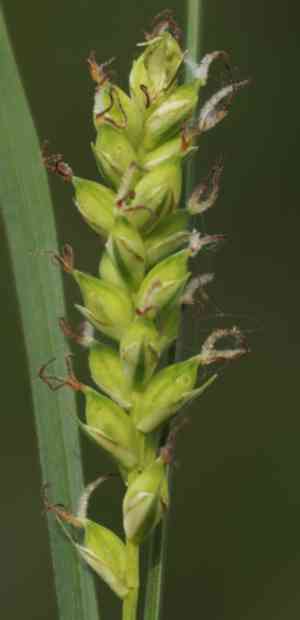
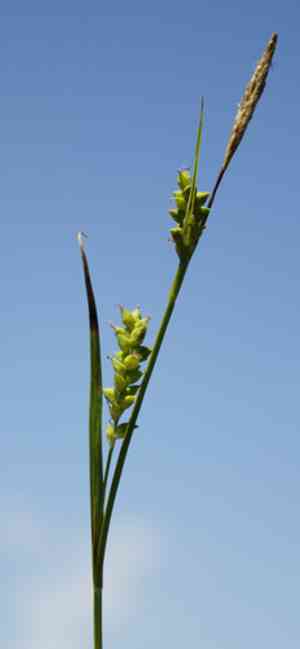
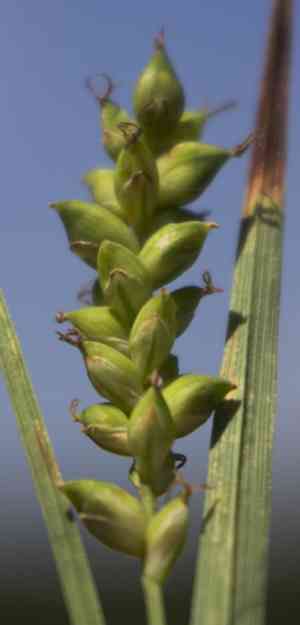
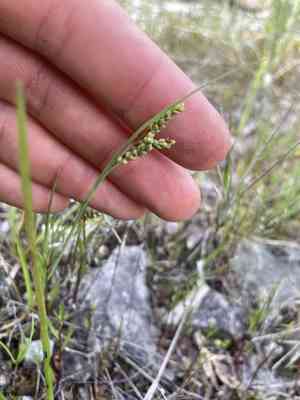
Quickly Identify Rigid sedge
1
Carex tetanica can be identified by its stiff, erect stems and narrow, grass-like leaves. It produces small, inconspicuous flowers with brownish scales in dense, cylindrical spikes. Look for the characteristic ridged appearance of the foliage and stems.
Scientific Classification of Rigid sedge
Phylum
Vascular plants
Class
Monocotyledons
Order
Poales
Family
Sedge
Genus
True sedges
Species
Rigid sedge
Planting and Growing of Rigid sedge
Care Difficulty
Moderate
Watering Schedule
Every 2 days
Sunlight Requirements
Partial sun
Sunshine Duration
6-10 hours
Ideal Temperature
60-75℉
Soil Type
Potting Mix, Peat Mix
Soil pH
6.5-7.5
Fertilizer Type
Balanced
Pruning Season
Spring, Summer
Pruning Area
Branches, Leaves
Pruning Frequency
2 times a year
Repotting Season
Spring
Pot Type
Plastic, Ceramic
 How to Water Rigid sedge?
For Carex tetanica, watering should ensure the soil is moist but not saturated. This grass prefers consistent moisture without waterlogging. Water until the top 2 inches of soil are damp, approximately 150 ml, depending on plant size and pot drainage.
What are the symptoms of an underwatered Rigid sedge?
›
What should I do if my Rigid sedge is not getting enough water?
›
What are the symptoms of an overwatered Rigid sedge?
›
How to save an overwatered Rigid sedge?
›
 What Are the Sunlight Requirements for Rigid sedge?
Carex tetanica ideally enjoys partial sun - part of the day in direct light and part in shade. This promotes robust growth and healthy green foliage, allowing the plant to flourish while avoiding the stress of too much sun or shade.
Optimal Light Exposure
›
Avoiding Full Sun
›
Using Artificial Lighting
›
 What Is the Ideal Temperature Range for Rigid sedge?
Carex tetanica thrives best in temperatures ranging from 60°F to 75°F. This range allows for optimal growth and development, minimizing stress and promoting overall health. Maintaining these temperatures encourages strong root systems and vibrant foliage.
 What Soil is Best for Rigid sedge?
Carex tetanica thrives in well-drained soil that prevents water from pooling around the roots. This condition helps avoid root rot, ensuring the plant remains healthy and vigorous. The plant prefers moderately fertile soil that provides adequate nutrients without overwhelming the root system. This ensures balanced growth and enhances resilience against diseases. Maintaining consistent soil moisture supports the plant's growth and development, helping it to avoid drought stress and flourish in various weather conditions.
 How to Fertilize Rigid sedge?
Carex tetanica benefits from a moderate fertilization regime. Use approximately half the recommended amount on the fertilizer's packaging to avoid over-fertilization. This species thrives in nutrient-poor soils; therefore, too much fertilizer can harm its growth.
 How to Prune Rigid sedge?
To prune Carex tetanica, first, identify the dead or discolored foliage. Using a pair of sharp, clean scissors or shears, cut away these dead leaves to promote airflow and reduce disease risk. Aim to remove the foliage down to the base without damaging the new shoots. For shaping, it is advised to gently reduce the height by cutting a third of the plant. This allows for a fuller appearance as new growth emerges. Always use moderate force to avoid shocking the plant.
More About Pruning Techniques→
 How to Propagate Rigid sedge plant?
1
Begin by filling a seed tray with a moist, well-draining potting mix. Sow the Carex tetanica seeds on the surface of the soil, pressing them lightly without covering them completely. Maintain consistent moisture and place the tray in a warm, well-lit area to encourage germination.
2
During early spring, carefully dig up a mature Carex tetanica clump. Use a garden spade to separate the clump into smaller sections, ensuring each section has healthy roots and shoots. Replant the divisions at the same depth they were originally growing.
3
Once the seedlings have developed a few sets of true leaves, they are ready to be transplanted. Prepare individual pots with well-draining soil, carefully lift seedlings from the seed tray, and plant them in the pots. Ensure they receive adequate water and light.
 How to Repot Rigid sedge plant?
1
With Carex tetanica, it's ideal to repot when you notice roots growing through the pot's drainage holes or the plant's growth has slowed significantly. These are signs that it requires more space to continue thriving, typically in early spring when going into a vigorous growing season optimizes recovery and growth.
2
Select a pot that is one size larger than its current container, ensuring a diameter increase of 2 inches. Clay pots work well as they provide good air exchange for the roots, preventing moisture build-up that could lead to root rot. Plus, a pot with drainage holes is crucial for healthy growth.
3
Opt for a high-quality potting soil mix that is rich in organic matter and ensures good drainage. A combination of peat, pine bark, and perlite offers the ideal structure. This soil mix keeps the roots moist without waterlogging them, promoting robust growth and minimizing the risk of root diseases.
Learn More About Rigid sedge Diseases
Anthracnose
Bacterial Leaf Spot
Bacterial Soft Rot
Bacterial Wilt
Black Spot
Chemical Injury
Crown Gall
Cyst Nematode
Damping-off
Downy Mildew
Drought Stress
Fusarium Wilt
Gray Mold
Leaf Spot
Mosaic
Nutrient Deficiency
Nutrient Toxicity
Powdery Mildew
Root Rot
Root-knot Nematode
Rusts
Sooty Mold
Spider Mites
Temperature Stress
Thrips Damage
White Mold



