How to Prune Dioecious sedge?
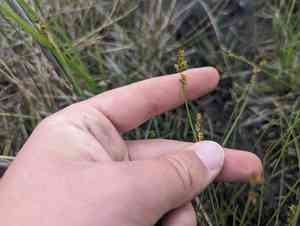
A resilient perennial grass, dioecious sedge is notable for having distinct male and female specimens. To ensure peak health and development, trim dioecious sedge in the early spring or during its dormant winter period. At these junctures, eliminate any deceased or compromised leaves and neaten the clusters to foster vigorous new shoots. Consistent trimming not only preserves an attractive look but also boosts plant strength by averting excessive density and the proliferation of illnesses.
What Are the Benefits of Pruning Dioecious Sedge?
What Are the Benefits of Pruning Dioecious Sedge?
Trimming dioecious sedge is advantageous as it fosters robust development and preserves its attractive shape. Regular trimming helps keep dioecious sedge manageable and thriving, encouraging denser and stronger growth.
What Is the Best Time for Pruning Dioecious Sedge?
What Is the Best Time for Pruning Dioecious Sedge?
Pruning or trimming dioecious sedge in early spring is ideal, as it occurs just before the growth cycle begins, promoting vigorous development and ensuring the plant's energy is directed to the healthiest shoots. Winter pruning is beneficial because dioecious sedge is dormant then, reducing plant stress and minimizing disease risk at cut sites. These periods ensure the plant maintains its structure and vitality, enhancing its overall health and aesthetic value.
What Tools Do I Need to Prune Dioecious Sedge?
Hand Pruners
Perfect for selectively trimming damaged or overgrown leaves on dioecious sedge, fostering healthier growth by allowing more light and air circulation.
Grass Shears
Effective for shaping and managing the spread of dioecious sedge while minimizing harm to roots and crowns, especially crucial given dioecious sedge's dense clumping habit.
Garden Scissors
Useful for detailed work on dioecious sedge, including removing dead or yellowing leaves to maintain visual appeal and plant well-being.
How to Prune Dioecious Sedge
Identify
Identify and evaluate any diseased or dead foliage on dioecious sedge. It is important to monitor dioecious sedge for any signs of illness or wilting, focusing on discoloration or unusual texture.
Prepare tools
Prepare your trimming tools. Ensure they are clean and sharp to prevent disease transmission between plants. Disinfect shears or scissors with a solution like isopropyl alcohol before pruning.
Remove diseased
Carefully remove diseased leaves by cutting them at their base where they meet the stem or surrounding healthy tissue. Use precise cuts to avoid harming the healthy parts of dioecious sedge.
Remove withered
Trim any withered leaves that are brown or dried out, using the same method as for diseased leaves to encourage healthy growth and aesthetic appeal.
Dispose
Properly dispose of the removed material. Do not compost diseased or withered leaves as they might contain pathogens. Securely bag and remove them from the vicinity of healthy plants.
Common Pruning Mistakes with Dioecious Sedge
Over pruning
A common error is removing too much foliage from dioecious sedge, which can stress the plant and impede its ability to photosynthesize effectively. This excessive trimming often results in weakened plants that struggle to thrive.
Improper cutting technique
Using incorrect cutting methods, such as tearing the foliage instead of making clean cuts, can damage the delicate structure of dioecious sedge and may introduce pathogens. This often leads to uneven growth and potential infections.
Pruning healthy tissue
Removing healthy foliage and stems instead of only targeting dead or diseased parts can unnecessarily stress dioecious sedge and diminish its overall vigor and aesthetic appeal. It is important to differentiate between healthy and unhealthy plant sections.
Common Pruning Tips for Dioecious Sedge
Use sharp tools
Utilize sharp, clean pruning shears or scissors to make precise cuts. This helps prevent damage to the tissues of dioecious sedge and promotes faster healing and recovery.
Focus on dead material
Prioritize the removal of dead or damaged leaves and stems to help maintain the health and appearance of dioecious sedge. This not only tidies the plant but also encourages healthier, more vigorous growth.
Prune for shape
Gently shape dioecious sedge by thinning out overgrown areas. This helps improve light penetration and air circulation around the plant, which are essential for reducing disease risk and promoting robust growth.



