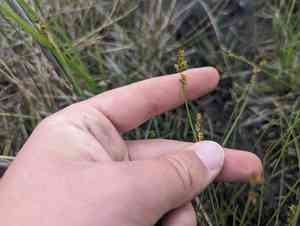
Dioecious sedge (Carex sterilis)
Also known as: Sterile Sedge
Carex sterilis, known by common names such as sterile sedge, dioecious sedge, and Atlantic sedge, is a perennial plant indigenous to North America.
In This Article
Attributes of Dioecious sedge
Lifespan
Perennial
Plant Type
Grass
Plant Height
15 cm to 76 cm
Spread
N/A
Leaf Color
Green
Flower Size
3-4 mm
Flower Color
Yellow Green Brown
Images of Dioecious sedge
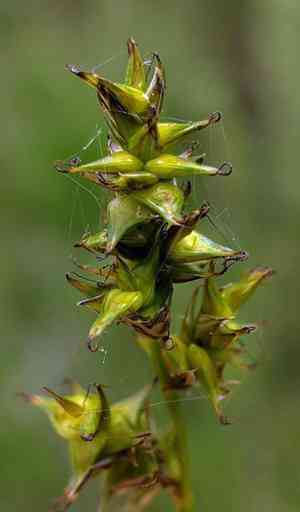
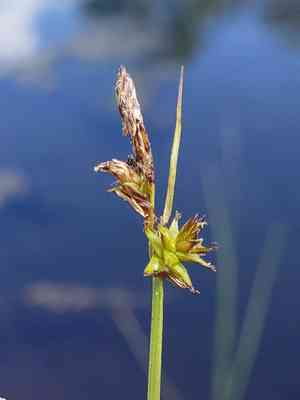
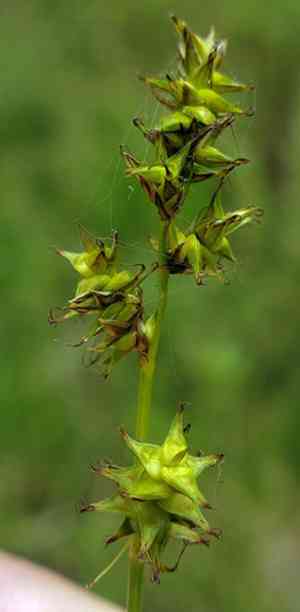
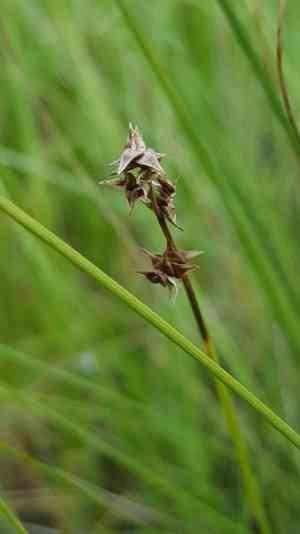
Quickly Identify Dioecious sedge
1
Sterile Sedge can be identified by its slender, wiry stems and linear leaves that are rough to the touch. It grows in clumps and has small, inconspicuous flower spikes.
Scientific Classification of Dioecious sedge
Phylum
Vascular plants
Class
Monocotyledons
Order
Poales
Family
Sedge
Genus
True sedges
Species
Dioecious sedge
Planting and Growing of Dioecious sedge
Care Difficulty
Moderate
Watering Schedule
Every 3 days
Sunlight Requirements
Partial sun
Sunshine Duration
6-10 hours
Ideal Temperature
60-75℉
Soil Type
Potting Mix, Peat Mix
Soil pH
6.5-7.5
Fertilizer Type
Balanced
Pruning Season
Spring, Summer
Pruning Area
Branches, Leaves
Pruning Frequency
2 times a year
Repotting Season
Spring
Pot Type
Ceramic, Plastic
 How to Water Dioecious sedge?
The watering amount for Carex sterilis should be around 200 ml per session. It's important to ensure that the soil is evenly moist but not waterlogged. The plant thrives when the soil is damp to the touch; avoid letting it dry out completely between waterings.
What are the symptoms of an underwatered Dioecious sedge?
›
What should I do if my Dioecious sedge is not getting enough water?
›
What are the symptoms of an overwatered Dioecious sedge?
›
How to save an overwatered Dioecious sedge?
›
 What Are the Sunlight Requirements for Dioecious sedge?
Partial sunlight or full shade aims to achieve balanced light conditions. Carex sterilis benefits from these settings, as they promote robust growth, vibrant leaf coloration, and general health.
How much sunlight does Carex sterilis need?
›
What solutions promote optimal lighting?
›
What are the benefits of proper lighting for Carex sterilis?
›
 What Is the Ideal Temperature Range for Dioecious sedge?
The ideal temperature range for cultivating Carex sterilis is between 60°F and 75°F. This range provides the most favorable environment for the plant's growth and development, ensuring optimal photosynthesis and transpiration processes. Maintaining this temperature range promotes healthy foliage and robust root systems.
 What Soil is Best for Dioecious sedge?
Carex sterilis requires soil that can retain moisture effectively to mimic its natural wetland habitat. This ensures the plant has a continuous supply of moisture, supporting healthy growth and resilience. A substrate rich in organic matter is crucial for Carex sterilis, as it provides essential nutrients that support its growth and reproduction. Nutrient-rich soils help in sustaining robust plant health and vibrant foliage. Even though Carex sterilis thrives in moist environments, it's crucial that the soil also has good drainage. This prevents waterlogging, which can lead to root rot and other moisture-related issues.
 How to Fertilize Dioecious sedge?
For Carex sterilis, it is essential to respect its delicate nature by applying fertilizers conservatively. When using liquid fertilizer, dilute it to half-strength, ensuring the roots are not overwhelmed. Solid slow-release fertilizers should also be applied sparingly, following recommended dosage for low-maintenance grass varieties, generally not exceeding 1/4 cup per application.
 How to Prune Dioecious sedge?
Begin by gathering sharp pruning shears and gloves. Sterilize the shears to prevent disease. Focus on removing dead and damaged leaves. Trim them back to the base, ensuring clean cuts to promote regrowth. To maintain a desired shape and size, selectively prune longer stems to maintain a balanced form. Aim to remove no more than a third of the plant to avoid stress, ensuring overall plant health. Regularly prune overgrown or messy sections, especially around edges. This prevents the plant from encroaching on nearby vegetation and maintains an orderly garden appearance.
More About Pruning Techniques→
 How to Propagate Dioecious sedge plant?
1
Choose a healthy, mature Carex sterilis plant that displays vigorous growth. Ensure the plant is robust and free of any visible signs of disease before proceeding with propagation.
2
Use a sharp spade to dig around and gently lift the plant from the soil. Carefully divide the root ball into smaller sections, ensuring each section has adequate roots and shoots for successful growth.
3
Replant the divisions immediately into well-prepared soil. Ensure proper spacing between plants to allow for growth and optimal light exposure. Water the newly planted divisions thoroughly to settle the soil.
 How to Repot Dioecious sedge plant?
1
Carex sterilis, being a versatile plant, signals its need for repotting when roots start circling the pot or growth visibly slows down. The ideal times are during the change of seasons in spring or autumn, as the moderate temperatures and natural adjustments in daylight and humidity are beneficial. Repotting during these periods supports recovery and promotes renewed vigor as the plant transitions into its active growth phase.
2
Select a pot that is 1-2 inches larger in diameter and has adequate drainage holes to prevent waterlogging, which can stunt root growth and lead to rot. Ideally, choose a pot material that matches your watering habits; clay pots offer more aeration while plastic retains moisture longer. Opting for the right pot size and type ensures better airflow, promotes healthy root systems, and balances moisture retention, thereby supporting long-term growth and stability.
3
For Carex sterilis, opting for a moist, acidic, loamy soil mix is crucial. This soil type retains enough moisture without becoming waterlogged, simulating the plant's natural habitats. Its composition facilitates nutrient absorption essential for optimal growth. Ensuring good soil texture aids root health and forestalls compaction, while its acidity level aligns with the plant's requirements, fostering vibrant health.



