How to Prune Beach sedge?
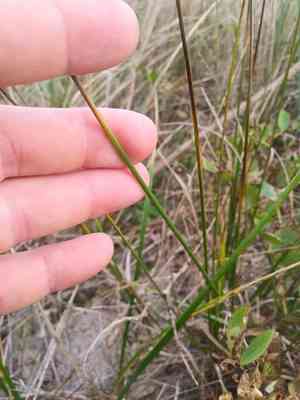
Coastal sedge, recognized for its compact clusters and delicate leaves, flourishes with infrequent trimming. The most suitable periods for pruning are in early spring and late winter, coinciding with its developmental phase. Cut away any deceased or impaired stalks to encourage vigorous new development. Consistently reducing overcrowded sections deters illness and boosts air movement. Trimming coastal sedge can refine its inherent form and vitality, guaranteeing lush foliage throughout the cultivation period. Consult reputable gardening instructions for accurate methods.
What Are the Benefits of Pruning Beach Sedge?
What Are the Benefits of Pruning Beach Sedge?
Trimming beach sedge promotes robust development and maintains its form. It stimulates new shoots, enhances air circulation, and manages its spread. Regular trimming also lowers the risk of pests and diseases, ensuring a healthier and more attractive plant.
What Is the Best Time for Pruning Beach Sedge?
What Is the Best Time for Pruning Beach Sedge?
Trimming or cutting back beach sedge from late winter to early spring is optimal as it coincides with the plant's dormant phase, reducing stress and fostering healthy growth as it enters its active period. This timing allows beach sedge ample recovery time before the growing season, boosting its overall health and vitality.
What Tools Do I Need to Prune Beach Sedge?
Bypass Pruners
These are perfect for precise cuts on grasses and soft-stemmed plants. They ensure clean cuts, preventing tissue damage and potential infections.
Garden Scissors
These offer the exactness needed for snipping individual stems or leaves. They are ideal for preserving the shape and look of beach sedge.
Pruning Shears
These are suitable for removing dead or winter-damaged growth, and for making larger cuts that garden scissors might not handle effectively.
Gloves
Crucial for protecting hands from sharp grass blades and potential irritation from handling beach sedge.
How to Prune Beach Sedge
Inspection
Carefully check beach sedge for any indications of diseased or withered foliage. Be sure to examine all parts of the plant thoroughly.
Tools
Prepare sanitized pruning shears or scissors. Clean tools are vital to prevent the spread of disease within beach sedge.
Remove Diseased Leaves
Start by cutting off the diseased leaves first. Trim as close to the base of each leaf as possible, ensuring all affected tissue is removed.
Remove Withered Leaves
Next, trim the withered leaves. As with diseased leaves, make cuts near the base, ensuring a clean removal of dead or dying material.
Disposal
Properly discard all trimmed parts in the trash, not the compost, to prevent potential disease spread. Ensure the area around beach sedge is fresh and clean after pruning.
Common Pruning Mistakes with Beach Sedge
Improper Technique
Using dull or unclean pruning tools can harm the plant, leading to disease or pest issues. Also, cutting too close to the base of the shoots can hinder the plant's growth potential.
Incorrect Timing
Pruning too early or too late in the growth cycle can impact the plant's ability to recover and thrive. This error might result in shock or reduced vigor.
Excessive Pruning
Removing more than a third of the plant at once can cause stress and stunted growth. Over-pruning can also diminish the plant's overall health and capacity to flourish in its natural habitat.
Common Pruning Tips for Beach Sedge
Use Clean, Sharp Tools
Always ensure your pruning shears or scissors are clean and sharp to make precise cuts and prevent disease transmission.
Prune Moderately
Aim to remove no more than one-third of the plant's growth in a single session. This helps maintain the plant's health and vigor while encouraging new growth.
Focus on Dead or Damaged Shoots
Begin by removing any dead, diseased, or damaged shoots. This can help improve air circulation and the overall health of beach sedge.
Cut Above a Leaf Node or Bud
When making cuts, try to prune just above a leaf node or bud. This encourages new growth from that point, maintaining the plant's natural shape.
Maintain the Plant's Natural Form
Avoid drastic alterations to the shape of beach sedge. Instead, aim to preserve its natural form while removing unwanted growth.



