How to Propagate Beach sedge?
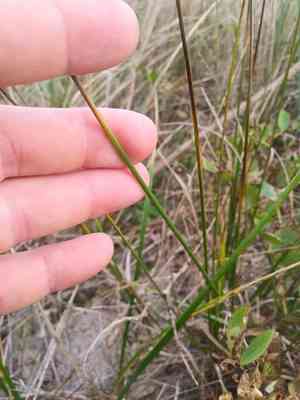
Coastal sedge is a resilient shoreline grass flourishing in sandy, permeable substrates with ample solar exposure. Factors such as windbreaks assist in its successful rooting. Planting ought to occur in particular soil environments, guaranteeing minimal seed covering to mimic natural scattering. Steady hydration without saturation is vital throughout the sprouting phase. This approach guarantees vigorous establishment and development. Ongoing observation and suitable localized attention facilitate a flourishing coastal sedge environment.
Optimal Period for Beach Sedge Propagation
Propagation Method
Seeding
Propagation Period
Spring
Tools Required for Beach Sedge Propagation
Seedling Trays
Utilized for starting seeds in a controlled setting. Trays with adequate drainage holes prevent seeds from sitting in water, minimizing fungal disease risk.
Seed Starting Mix
A sterile, free-draining medium is crucial for germinating beach sedge seeds. This mix offers the correct balance of moisture retention and air circulation.
Mist Sprayer
Maintains the necessary moisture level for delicate beach sedge seeds and young plants, preventing desiccation without over-saturating.
Humidity Dome
Placed over seedling trays to maintain high humidity, vital for beach sedge germination. It also aids in temperature stabilization.
Seed Heat Mat
Provides consistent warmth to the bottom of seedling trays, which can speed up germination and enhance beach sedge growth rate.
Pipette or Dropper
Used for applying water directly to seeds or tiny seedlings. This ensures even water distribution without disturbing the seeds.
Hand Trowel
Useful for soil preparation and transplanting seedlings. For beach sedge, a trowel with measurement marks helps ensure proper planting depth.
Labeling Stakes or Tags
Important for tracking different seed batches. Clear labels help monitor progress and distinguish between various beach sedge varieties.
How to Propagate Beach Sedge?
Propagation Type
Simple
Post-Propagation Care for Beach Sedge
Post-Propagation Care for Beach Sedge
Following propagation, ensure beach sedge is situated in an area with well-draining soil and receives sufficient sunlight. Water plants regularly to keep the soil moist but not waterlogged, especially during dry spells. Apply mulch around the plant base to retain soil moisture and suppress weeds. Pruning might be necessary to remove dead or damaged foliage to encourage healthy development. Monitor plants for pests and diseases, taking appropriate action if issues arise.
Common Errors to Avoid When Propagating Beach Sedge
Overwatering
Excessive moisture can lead to root rot and fungal infections, which are detrimental to beach sedge's well-being.
Improper Soil Selection
Using dense or clay-rich soil can hinder drainage and cause waterlogging, harming beach sedge's roots.
Inadequate Light
Placing beach sedge in too much shade can result in weak, elongated growth, as it typically thrives in bright conditions.
Neglecting Root Division
Failing to divide roots periodically can lead to overcrowding, reducing overall plant vigor and health.
Incorrect Planting Depth
Planting beach sedge too deeply or too shallowly can stress the plant, leading to poor establishment and growth.
Advice for Propagating Beach Sedge
Utilize Well-Draining Soil
Ensure the soil mixture is light and drains well to prevent waterlogging and promote robust root development.
Moderate Watering
Water in moderation, allowing the soil to dry slightly between waterings to prevent root rot.
Provide Ample Light
Position beach sedge in an area with plenty of indirect sunlight to support vigorous growth.
Regular Root Division
Divide the roots of beach sedge every few years to prevent overcrowding and encourage more robust growth.
Soil Level Awareness
Plant beach sedge at the correct depth, ensuring the crown is just above the soil surface to promote healthy establishment.



