How to Prune Short-stalk sedge?
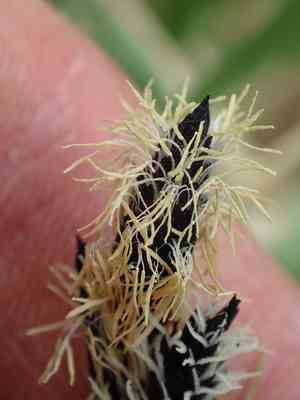
Recognized for its clustered development and curving leaves, short-stalk sedge thrives with trimming in the initial part of spring and throughout winter. Eliminate any lifeless or compromised stalks to foster robust new development. Severing the plant to soil level can revitalize it and enhance air movement, thereby lowering the chance of illness. Consistent shaping preserves its form and prevents excessive expansion, which is crucial for aesthetic purposes. Verify that implements are sanitized to avert contagions.
Advantages of Trimming Short-stalk Sedge
Advantages of Trimming Short-stalk Sedge
Trimming short-stalk sedge encourages robust development and maintains its form. It improves aesthetic appeal, manages size, and enhances air circulation, making short-stalk sedge more resilient to pests and diseases.
Optimal Period for Trimming Short-stalk Sedge
Optimal Period for Trimming Short-stalk Sedge
Trimming or cutting short-stalk sedge is best performed in early spring or winter, as these times coincide with the plant's dormant state. During dormancy, short-stalk sedge exhibits reduced growth, making it less susceptible to pruning stress. Early spring trimming stimulates vigorous new growth as the season commences, while winter trimming allows gardeners to shape the plant without disrupting its natural growth or flowering cycle. Both seasons minimize the risk of disease or pest infestations that can arise from fresh cuts made during active growth.
Tools Required for Trimming Short-stalk Sedge
Hand pruners
Perfect for cutting back dead or damaged foliage near the base without harming adjacent plants.
Pruning shears
Useful for shaping and preserving the overall look of short-stalk sedge, facilitating the easy removal of unwanted or overgrown sections.
Grass shears
Specifically designed for trimming grasses and sedge plants like short-stalk sedge, providing precise cuts that cleanly trim leaf blades without tearing.
How to Trim Short-stalk Sedge
Examine
Inspect short-stalk sedge for any leaves showing signs of illness or wilting. This helps identify affected parts requiring trimming.
Sanitize
Clean your pruning tools with disinfectant before use to prevent disease transmission. Ensuring clean tools is vital for the health of short-stalk sedge.
Remove Diseased Leaves
Cut away any diseased leaves. Make clean cuts close to the leaf's base to fully remove the affected area and stop disease spread.
Remove Withered Leaves
Trim away withered leaves by cutting them at the base. This redirects the plant's energy to healthier parts and promotes new growth.
Dispose
Properly discard trimmed leaves, especially diseased ones, by placing them in a sealed bag and removing them from the garden. This prevents reinfection and maintains a healthy growing environment for short-stalk sedge.
Common Trimming Errors with Short-stalk Sedge
Incorrect Technique
Many gardeners err by using improper tools or cutting methods. This can result in jagged cuts that harm the plant. Always use sharp, clean tools for precise cuts.
Over-Trimming
Another frequent mistake is removing too much of the plant at once. Over-trimming can weaken short-stalk sedge and cause stress, hindering its growth and vitality.
Trimming at the Wrong Time
Trimming during unsuitable periods can disrupt the plant's natural growth cycle, potentially causing harm instead of encouraging healthy development.
Ignoring Dead or Diseased Parts
Failing to remove dead, damaged, or diseased parts can spread infection and pests throughout the plant.
Shape Neglection
Not paying attention to the shape or overall structure of short-stalk sedge during trimming can lead to an untidy and unhealthy appearance.
General Trimming Advice for Short-stalk Sedge
Use Proper Tools
Always opt for clean, sharp pruning shears to make clean cuts. This prevents unnecessary damage and ensures faster healing.
Moderation
Trim moderately and avoid removing more than one-third of the plant at a time. This helps maintain the plant's energy and prevents shock.
Remove Dead or Diseased Parts
Regularly inspect short-stalk sedge and promptly remove any dead, damaged, or diseased foliage to keep the plant healthy and free from pests.
Focus on Shape
Aim to maintain a natural and balanced shape by evenly trimming all sides. This encourages uniform growth and enhances the plant's appearance.
Cut Above Leaf Nodes
When making cuts, do so just above leaf nodes or adjacent to the main stem to promote healthy and robust regrowth.



