How to Propagate Short-stalk sedge?
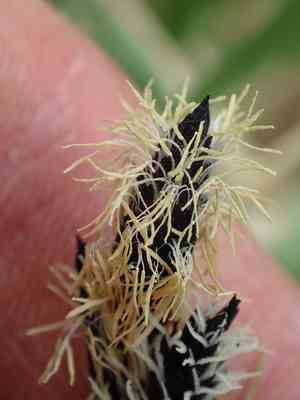
Carex breviculmis is a perennial grass-like plant typically found in damp, elevated areas. Reproduce it by separating clumps, making sure every piece possesses a robust root structure. Place these separated sections in soil that drains effectively, is acidic, and has been enriched with decomposed organic material. Maintain consistent soil dampness, avoiding excessive saturation. Applying mulch aids in preserving the soil's moisture content. Periodically inspect for infestations, as Carex breviculmis can be vulnerable to insect damage. These specimens flourish in conditions ranging from direct sunlight to moderate shade and benefit from a humid atmosphere.
Optimal Time for Short-stalk Sedge Propagation
Propagation Method
Splitting
Propagation Period
Spring,Autumn
Tools for Short-stalk Sedge Propagation
Garden Spade
A garden spade is crucial for excavating mature short-stalk sedge clumps. Its sharp edge allows for precise, clean cuts through roots, minimizing plant damage and stress.
Hand Trowel
A hand trowel is employed for making smaller, accurate cuts within the clump. This tool is perfect for separating divisions and transplanting them without excessive root disturbance.
Root Saw
A root saw is especially useful for managing tougher, denser root masses of short-stalk sedge. It enables clean cuts through thick roots, preventing tearing and further harm.
Pruning Shears
Pruning shears are utilized to trim any damaged or overgrown foliage when preparing divisions. They ensure the plant's energy is directed towards root and shoot development post-transplantation.
Potting Soil
High-quality potting soil is vital for replanting divisions. It supplies essential nutrients and supports proper drainage, encouraging root establishment and growth.
Watering Can with Fine Rose
A watering can with a fine rose is essential for gently irrigating newly divided plants. Fine droplets reduce soil disruption around delicate new roots and ensure even moisture distribution.
Rooting Hormone
Rooting hormone can be used to encourage root formation and development for each division. It enhances the likelihood of successful rooting and establishment in the new location.
Plant Labels
Plant labels are necessary for tracking each short-stalk sedge division. This is particularly helpful in a garden setting for monitoring growth and providing appropriate care for each new plant.
Shading Cloth
A shading cloth offers temporary protection for newly planted divisions against excessive sunlight, reducing stress and preventing dehydration during the critical establishment phase.
How to Propagate Short-stalk Sedge?
Propagation Type
Simple
Caring for Your Newly Propagated Short-stalk Sedge
Caring for Your Newly Propagated Short-stalk Sedge
Post-propagation, position short-stalk sedge in an area with partial to full sun exposure. Maintain soil moisture, especially during the initial growing season to aid root establishment. Apply a layer of mulch to retain moisture and deter weeds. Watch for any signs of pests or diseases and address them promptly. Fertilize sparingly with a balanced slow-release fertilizer if necessary, though short-stalk sedge generally has low nutrient demands.
Common Errors to Avoid When Propagating Short-stalk Sedge
Overwatering
Excessive moisture can lead to root rot and fungal infections, severely impacting plant health and hindering propagation success.
Inappropriate Soil Choice
Using soil that retains too much water or lacks adequate drainage can suffocate roots, making it difficult for the plant to establish.
Insufficient Light Exposure
Inadequate sunlight can result in weak, leggy growth, diminishing the plant's chances of successful propagation.
Incorrect Division Timing
Dividing the plant at an unsuitable time can cause stress and reduce the survival rate of new divisions.
Advice for Propagating Short-stalk Sedge
Ensure Well-Drained Soil
Choose soil with good drainage to prevent waterlogging and root rot. Sandy or loamy soils are preferred for short-stalk sedge.
Moderate Watering
Water the plant regularly, but allow the soil to dry out slightly between watering sessions to avoid overwatering.
Adequate Light
Provide sufficient light by placing short-stalk sedge in a location where it receives partial to full sunlight to promote healthy growth.
Careful Division
When dividing short-stalk sedge, ensure roots and shoots are adequately separated to promote robust growth in the new divisions.



