How to Prune Fewseed sedge?
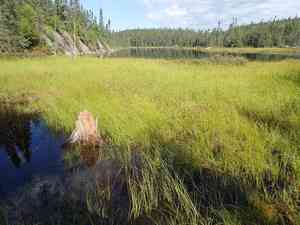
Carex oligosperma, a perennial grass that prefers damp conditions, flourishes in moist environments and is identifiable by its elevated, clumped growth pattern. The most effective pruning entails cutting back deceased or excessive foliage in the early spring or during winter to preserve its form and vitality. Diligent removal of spent flower stems encourages fresh development. This type of pruning guarantees robust plants and can lower the chance of disease by enhancing air movement. Pruning while the plant is dormant prevents interference with its active growth phases.
What Are the Benefits of Pruning Fewseed Sedge?
What Are the Benefits of Pruning Fewseed Sedge?
Trimming fewseed sedge can encourage vigorous development and help maintain its desired shape. Pruning is vital for fostering a dense, robust structure, ensuring the plant's vitality and visual appeal.
What Is the Best Time for Pruning Fewseed Sedge?
What Is the Best Time for Pruning Fewseed Sedge?
Pruning fewseed sedge in early spring is optimal as the plant awakens from dormancy and before new growth commences. This timing allows for rapid recovery and redirects energy to new shoots. Late winter pruning is also suitable, as it avoids cutting during the active growing season, preventing stress and sap loss that can occur if pruned during active growth phases. These periods ensure strong growth, prevent illness, and maintain plant health while minimizing disruption to its natural life cycle, including its blooming or fruiting times.
What Tools Do I Need to Prune Fewseed Sedge?
Hand Pruners
Perfect for cutting thin, small stems of fewseed sedge, enabling precise cuts without harming the plant's delicate structure.
Grass Shears
Efficient for shaping and trimming the grass-like leaves of fewseed sedge, providing a clean cut to preserve the aesthetic of these low-growing plants.
How to Prune Fewseed Sedge
Clean tools
Before beginning, sanitize pruning shears with rubbing alcohol to prevent the spread of disease to fewseed sedge.
Inspect
Carefully examine fewseed sedge and identify any diseased or withered leaves that require removal. These will often appear discolored, limp, or damaged.
Snip diseased
Using sterilized shears, precisely cut off diseased leaves at their base where they emerge from the rhizome to prevent infection spread. Ensure not to harm adjacent healthy tissues.
Remove withered
Gently trim away withered leaves at the base in a similar manner, ensuring clean cuts to facilitate quick healing and prevent unnecessary stress on fewseed sedge.
Clean up
Gather and dispose of all trimmed material away from the garden area to reduce the risk of disease or pest infestation on fewseed sedge.
Common Pruning Mistakes with Fewseed Sedge
Over pruning
A common error is removing too much foliage, which can stress fewseed sedge and impede its ability to photosynthesize effectively.
Blunt tool use
Using dull tools can result in jagged cuts that are more prone to disease and may not heal properly.
Incorrect cut location
Cutting too far from the crown or too close to the soil can damage healthy parts of fewseed sedge and negatively impact its growth.
Disregarding plant health
Pruning without assessing the health of fewseed sedge might lead to removing healthy tissues instead of just the dead or diseased ones.
Unnecessary pruning
Performing unnecessary pruning when fewseed sedge does not have a natural form that significantly benefits from shaping can result in a weakened plant.
Common Pruning Tips for Fewseed Sedge
Sharp instruments
Using sharp, clean pruning shears ensures clean cuts that heal quickly and minimize the risk of disease.
Dead or diseased foliage
Focus on removing dead or diseased foliage to promote better air circulation and reduce the chances of disease spreading.
Minimal pruning
Since fewseed sedge typically requires minimal pruning, perform selective trimming to maintain its natural shape and enhance its health without overdoing it.
After flowering
Lightly prune fewseed sedge after flowering to remove spent flower stalks, which can encourage more vigorous growth and potentially more blooms in the following season.
Consider plant structure
Understand the growth habit of fewseed sedge and prune accordingly so as not to disrupt its natural spreading form, which is adapted to its wetland environment.



