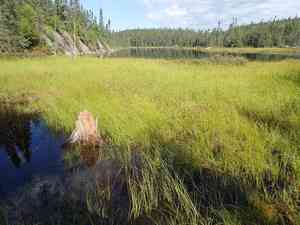
Fewseed sedge (Carex oligosperma)
Also known as: Wiregrass
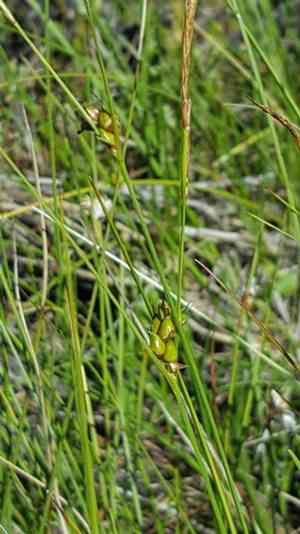
Often located on temperate lake shores, peat bogs, and wetlands with acidic soil, the fewseed sedge is a grasslike perennial known for its clump-forming growth habit. Unlike the majority of sedges, this particular species is distinguished by its seed clusters that contain only a few seeds, rather than the elongated, wheatlike clusters typical of other sedges and grasses.
In This Article
Attributes of Fewseed sedge
Lifespan
Perennial
Plant Type
Grass
Plant Height
46 cm to 91 cm
Spread
Not applicable (tufted growth)
Leaf Color
Green
Flower Size
0.5-1 cm
Flower Color
White Yellow Brown
Images of Fewseed sedge
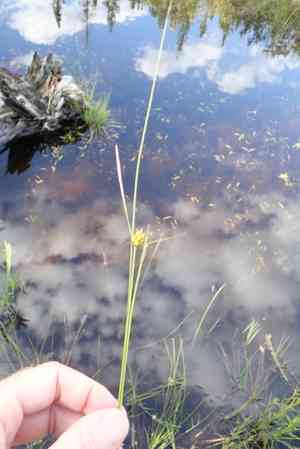
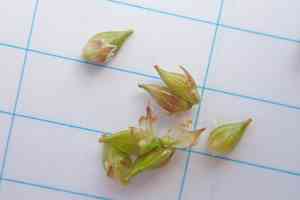
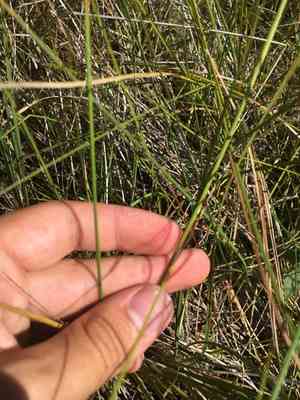
Quickly Identify Fewseed sedge
1
Identifiable by its narrow, grass-like leaves and erect, slender stems. The spikelets are usually brownish and contain a few, widely spaced seeds.
Scientific Classification of Fewseed sedge
Phylum
Vascular plants
Class
Monocotyledons
Order
Poales
Family
Sedge
Genus
True sedges
Species
Fewseed sedge
Planting and Growing of Fewseed sedge
Care Difficulty
Easy
Watering Schedule
Every 2 days
Sunlight Requirements
Partial sun
Sunshine Duration
4-8 hours
Ideal Temperature
60-75℉
Soil Type
Potting Mix, Peat Mix
Soil pH
5-6.8
Fertilizer Type
Balanced
Pruning Season
Spring, Summer
Pruning Area
Branches, Leaves
Pruning Frequency
2 times a year
Repotting Season
Spring
Pot Type
Plastic, Ceramic
 How to Water Fewseed sedge?
When watering Carex oligosperma, aim to moisten the soil thoroughly without waterlogging. Typically, 250 milliliters per session is adequate, ensuring even moisture across the soil bed. This simulation of natural rainfall supports the plant habitat resembling wetland conditions, critical for its growth and health.
What are the symptoms of an underwatered Fewseed sedge?
›
What should I do if my Fewseed sedge is not getting enough water?
›
What are the symptoms of an overwatered Fewseed sedge?
›
How to save an overwatered Fewseed sedge?
›
 What Are the Sunlight Requirements for Fewseed sedge?
Carex oligosperma thrives best in partial sun to full sun conditions. Optimal lighting ensures robust growth, better foliage color, and a vigorous plant that can resist diseases more effectively.
More About Sunlight Requirements Techniques→
Optimal Location
›
Adjusting Based on Seasons
›
Artificial Lighting Supplement
›
 What Is the Ideal Temperature Range for Fewseed sedge?
The ideal temperature range for Carex oligosperma is between 60°F and 75°F. This range allows the plant to maintain healthy growth and development. Temperatures within this range support metabolic processes and promote optimal nutrient uptake. If grown indoors, it is important to maintain a consistent temperature to mimic natural conditions.
 What Soil is Best for Fewseed sedge?
Carex oligosperma thrives in soils that can retain moisture effectively. Sandy loam or peat soils are particularly suitable as they offer good drainage while keeping the roots moist. This quality prevents dehydration and promotes lush greenery. Being a plant that often grows in nutrient-poor conditions, Carex oligosperma benefits from slightly acidic soils that can provide essential nutrients. Such soil conditions ensure the plant maintains its vigor and resilience against diseases. Carex oligosperma prefers slightly acidic soil with a pH ranging from 5.0 to 6.8. This acidity level supports optimal root growth and nutrient uptake, leading to healthy plant development and lush foliage.
 How to Fertilize Fewseed sedge?
Carex oligosperma, commonly known as few-seeded sedge, prefers minimal fertilization. Apply liquid fertilizer every two weeks using a diluted solution at half the recommended strength. This approach ensures the plant receives enough nutrients without overwhelming its natural growth patterns.
 How to Prune Fewseed sedge?
To prune Carex oligosperma, first ensure you have a pair of clean, sharp pruners. Begin by identifying any dead or brown foliage, as these should be the primary targets for removal. Trim these leaves at their base, making sure not to damage the healthy parts of the plant. For shaping, gently shear the plant into the desired form, taking care not to cut too harshly into the green leaves. Regularly remove clippings to allow light and air circulation.
More About Pruning Techniques→
 How to Propagate Fewseed sedge plant?
1
Start by soaking seeds in water overnight to soften the seed coat and promote germination. After soaking, plant them evenly in the seed tray filled with a moist, well-draining potting mix.
2
Gently dig up the plant clumps and use a garden fork to divide the roots and shoots into smaller sections. Each section should have at least a few shoots and healthy roots for successful growth.
3
After dividing, immediately plant the sections in separate pots or directly into the soil in a prepared bed. Ensure they are planted at the same depth as they were originally growing to promote stability and growth.
 How to Repot Fewseed sedge plant?
1
Carex oligosperma, otherwise known as the few-seeded sedge, usually signals it's time for a new pot when you see roots emerging from the drainage holes, or when its growth noticeably slows down. Spring and summer are ideal, as these seasons support robust root development and adaptability.
2
Opt for a pot that's 1-2 inches larger in diameter than the current one, ensuring proper drainage with sufficient holes. The right pot size minimizes the risk of waterlogging and is conducive to root expansion, offering the plant a fresh space to thrive in its natural, bushy form.
3
Select a moist, well-draining soil mix, mirroring its natural marshland habitat. This soil mix, often containing components like peat and perlite, encourages adequate moisture retention without sogginess, promoting healthy growth without the threat of root rot.



