The Fewseed sedge Plant Advantage: Maximizing Home and Office Appeal and Wellness
1
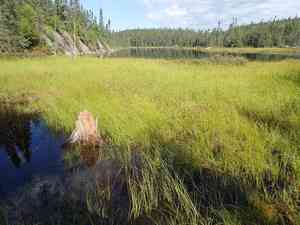
Fewseed sedge is essential for enhancing the quality of wetland soil.
2
It offers critical living space for diverse animal populations.
3
Fewseed sedge contributes significantly to the purification and regulation of water.
Why is Fewseed Sedge Crucial for Wetland Environments?
Improving Soil Quality
A key advantage of Fewseed sedge is its beneficial effect on soil condition. This plant's extensive root network helps stabilize the soil, decreasing erosion and fostering nutrient circulation. This boosts the overall richness of the wetland, making it more suitable for other flora and fauna.
Supporting Varied Life
Wetlands host a wide array of wildlife, and Fewseed sedge is vital in sustaining this diversity. Its thick leaves offer refuge and nesting sites for various bird species, amphibians, and insects. Furthermore, its presence encourages a balanced ecosystem by supporting species essential to the wetland's food chain.
How Does Fewseed Sedge Aid in Water Regulation?
Water Purification
Wetlands serve as natural water purifiers, and Fewseed sedge significantly boosts this function. The plant's root system captures and takes in surplus nutrients and contaminants, enhancing water purity. This inherent filtration process is crucial for preserving the ecological equilibrium and well-being of wetland regions.
Flood Control
Beyond enhancing water quality, Fewseed sedge also contributes to flood prevention. Its widespread roots assist in absorbing and holding water, lowering the chance of inundation. This water retention capacity is especially important in areas susceptible to heavy rainfall, as it helps protect nearby communities and ecosystems from flood damage.
What are the Wider Environmental Effects of Fewseed Sedge?
Combating Climate Change
Fewseed sedge aids in mitigating climate change in multiple ways. By stabilizing soil and lessening erosion, it helps store carbon, thereby reducing atmospheric carbon dioxide levels. Moreover, healthy wetlands function as significant carbon sinks, absorbing more carbon than they release.
Eco-Friendly Drainage Systems
Fewseed sedge's role in natural water management also makes it a valuable element of sustainable drainage systems (SuDS). These systems aim to replicate natural water processes to manage runoff and lessen flood risk. By integrating Fewseed sedge into SuDS designs, urban planners can develop more robust and sustainable water management approaches.



