How to Prune Muhlenberg's sedge?
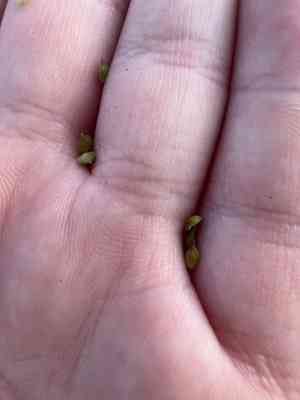
Muhlenberg's sedge, a robust perennial grass-like plant, flourishes with infrequent trimming. To sustain its vigor, remove withered or aged leaves in late winter or early spring, while the plant is inactive. This schedule avoids strain during periods of active development, fostering more compact, robust growth throughout the growing season. Trimming also aids in managing its expansion and elevates the visual charm of garden settings. Consistent elimination of older foliage can enhance air movement, diminishing the likelihood of illness.
Advantages of Trimming Muhlenberg's Sedge
Advantages of Trimming Muhlenberg's Sedge
Trimming muhlenberg's sedge encourages robust development and helps preserve its form. Regular cutting promotes dense, strong foliage, ensuring muhlenberg's sedge remains attractive and thriving in its environment.
Optimal Period for Trimming Muhlenberg's Sedge
Optimal Period for Trimming Muhlenberg's Sedge
Trimming muhlenberg's sedge in early spring is perfect as it prepares the plant for new growth by removing dead or damaged leaves after winter dormancy. This timing also ensures that trimming doesn't hinder late spring and summer growth. Winter trimming is equally beneficial as it places minimal stress on muhlenberg's sedge, being dormant then. This allows gardeners to shape the plant and manage its size without affecting its natural growth cycle or summer appearance.
Necessary Tools for Trimming Muhlenberg's Sedge
Pruning Shears
Excellent for cutting back dead or overgrown leaves of muhlenberg's sedge, ensuring precise cuts and minimal harm to the plant's delicate structure.
Grass Clippers
Perfect for trimming the grass-like foliage of muhlenberg's sedge in smaller or more detailed areas where precision is needed to maintain the desired garden look.
Method for Trimming Muhlenberg's Sedge
Identify
Locate the diseased or withered leaves on muhlenberg's sedge. Carefully check for any signs of discoloration, spots, or general wilting that indicate unhealthy or dead leaves.
Sanitize
Disinfect your cutting tools before trimming muhlenberg's sedge. Use alcohol or a bleach solution to clean blades to prevent disease transmission between plants.
Trim diseased
Cut off the diseased leaves using sharp scissors or secateurs. Make clean cuts at the leaf's base, close to the stem. Avoid pulling or tearing leaves as this can harm muhlenberg's sedge's health.
Trim withered
Remove withered leaves in the same manner. These are typically older, lower leaves that may have naturally died. Removing these helps redirect muhlenberg's sedge's energy towards healthier growth.
Cleanup
Clear all removed foliage from around muhlenberg's sedge to deter pest infestations and fungal growth. Dispose of diseased and dead material properly to maintain a healthy environment for muhlenberg's sedge.
Frequent Trimming Errors with Muhlenberg's Sedge
Overpruning
A common error when trimming muhlenberg's sedge is removing too much foliage, which can weaken the plant. Limit cutting back to no more than one-third of the plant in a single session. Overpruning can stress muhlenberg's sedge, making it more vulnerable to diseases or pests.
Incorrect technique
Using dull or dirty trimming tools can damage the delicate foliage of muhlenberg's sedge, leading to frayed edges and increasing infection risk. Always use sharp, clean shears for precise cuts.
Seasonal timing
Avoid trimming muhlenberg's sedge at inappropriate times, even if we're not discussing when to prune. Trimming at the wrong time can prevent muhlenberg's sedge from thriving as it may remove parts essential for its growth in the next season.
General Trimming Advice for Muhlenberg's Sedge
Tool preparation
Ensure all trimming shears are sharp and clean before beginning. This helps create clean cuts that heal quickly, reducing the risk of disease entering through jagged cuts.
Plant health assessment
Before trimming, evaluate the health of muhlenberg's sedge. Remove only dead or damaged foliage to encourage healthy growth. Focus on thinning rather than shortening blades to maintain muhlenberg's sedge's natural shape.
Selective trimming
Instead of uniformly shortening all blades, selectively trim longer or misplaced foliage to maintain a balanced appearance. This promotes a fuller and more natural growth form. Target older or damaged foliage for removal to improve air circulation and light penetration within the plant.
Gradual pruning
For a more comprehensive approach, gradually trim muhlenberg's sedge over several seasons. This gentler method allows the plant to retain strength and resilience, encouraging lush growth each year.



