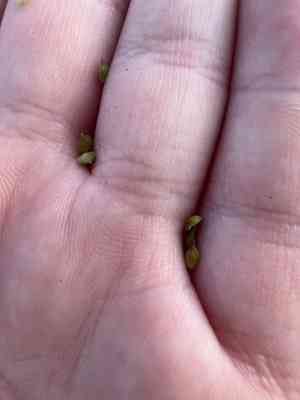
Muhlenberg's sedge (Carex muehlenbergii)
Also known as: Sand Dune Sedge, Muhlenberg's Sedge
Muhlenberg's sedge (Carex muhlenbergii) is a perennial plant known for its slender, dark green leaves that resemble grass. It features unique seed heads that tend to droop. This North American native thrives in well-drained, sandy soils typically found in open, dry environments such as prairies and woodlands. Its clump-forming nature helps it create dense tufts, which play a role in soil stabilization and enhancing ecosystem diversity.
In This Article
Attributes of Muhlenberg's sedge
Lifespan
Perennial
Plant Type
Grass
Plant Height
20 cm to 91 cm
Spread
Approximately 0.3 meters
Leaf Color
Green
Flower Size
Small, less than 1 cm
Flower Color
White Yellow Green
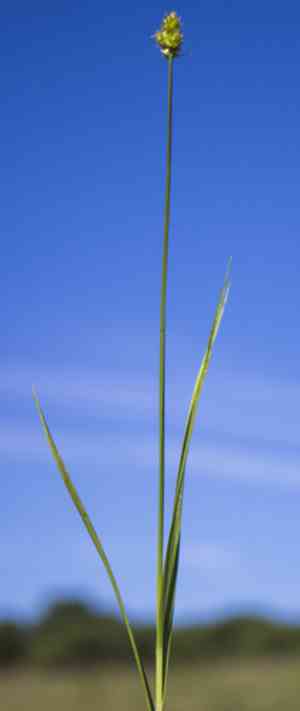
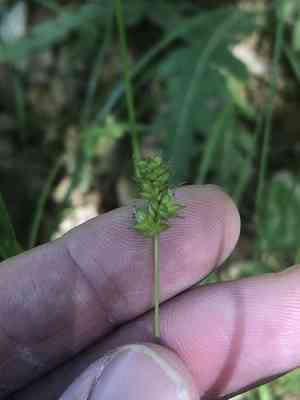
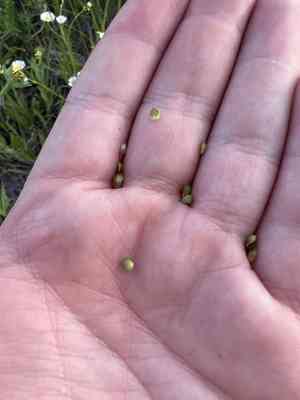
Images of Muhlenberg's sedge
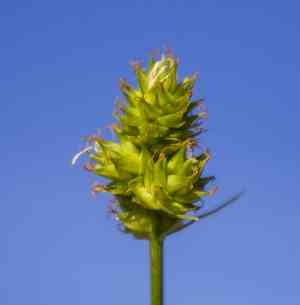
Quickly Identify Muhlenberg's sedge
1
Identification of Carex muehlenbergii can be done by observing its dense, tufty clumps and long, slender, grass-like leaves. The flowers are typically inconspicuous and found in spikes, with the terminal spike often being staminate and the lower spikes pistillate.
Scientific Classification of Muhlenberg's sedge
Phylum
Vascular plants
Class
Monocotyledons
Order
Poales
Family
Sedge
Genus
True sedges
Species
Muhlenberg's sedge
Planting and Growing of Muhlenberg's sedge
Care Difficulty
Easy
Watering Schedule
Every 4 days
Sunlight Requirements
Full sun
Sunshine Duration
6-10 hours
Ideal Temperature
60-75℉
Soil Type
Potting Mix, Peat Mix
Soil pH
6.5-7.5
Fertilizer Type
Balanced
Pruning Season
Spring, Summer
Pruning Area
Branches, Leaves
Pruning Frequency
2 times a year
Repotting Season
Spring
Pot Type
Plastic, Ceramic
 How to Water Muhlenberg's sedge?
Carex muehlenbergii thrives when the soil is evenly moist but not waterlogged. Aim to provide around 200 ml of water per session, ensuring that the top inch of soil is moist, but excess water can drain away. The soil should feel damp to the touch but not soggy.
What are the symptoms of an underwatered Muhlenberg's sedge?
›
What should I do if my Muhlenberg's sedge is not getting enough water?
›
What are the symptoms of an overwatered Muhlenberg's sedge?
›
How to save an overwatered Muhlenberg's sedge?
›
 What Are the Sunlight Requirements for Muhlenberg's sedge?
Carex muehlenbergii thrives best in full sun to partial sun environments. Optimal light supports dense foliage growth, increased plant vigor, and resilience against pests and diseases. This light balance mimics its natural ecosystem, promoting ideal growth conditions.
What is the best spot for Carex muehlenbergii?
›
How to ensure Carex muehlenbergii gets the ideal light?
›
Why is ideal light crucial for Carex muehlenbergii?
›
 What Is the Ideal Temperature Range for Muhlenberg's sedge?
For optimal growth, Carex muehlenbergii thrives within a temperature range of 60-75°F. This range provides the perfect balance for metabolic processes, ensuring robust growth and healthy development.
 What Soil is Best for Muhlenberg's sedge?
Carex muehlenbergii thrives best in well-drained soils, which can help prevent root rot and ensure healthy growth. Well-drained soil allows for proper air circulation to the roots, which is essential for nutrient uptake. This plant appreciates soil that retains moisture, yet does not become waterlogged. Such soil types support robust growth and a rich green hue, reflecting the plant's health. A nutrient-rich soil enhances the overall vitality and growth of Carex muehlenbergii. This ensures the plant gets all necessary minerals and nutrients, resulting in a lush, vibrant appearance.
 How to Fertilize Muhlenberg's sedge?
For Carex muehlenbergii, a light application of fertilizer is often sufficient. When using liquid fertilizers, a dilution rate of half the recommended strength is advised to prevent potential root burn. When applying slow-release fertilizers, one tablespoon per plant is usually adequate, catering to the plant's gradual nutrient absorption rate over time.
 How to Prune Muhlenberg's sedge?
Begin by removing any dead or damaged leaves from the Carex muehlenbergii. Trim these back to the base of the plant to encourage new growth. Next, thin out the interior of the plant to increase air circulation, which helps prevent fungal issues. Cut back any stems that are excessively long or falling over, maintaining a uniform shape. To prevent overcrowding, carefully thin out the clumps by removing some growth at the center of the plant. This allows more sunlight to penetrate the plant and improves airflow, reducing the risk of disease and promoting vigorous growth. Always cut at the base of the stems to ensure a neat appearance.
More About Pruning Techniques→
 How to Propagate Muhlenberg's sedge plant?
1
Gather seeds from mature Carex muehlenbergii plants when the seed heads dry out but before they scatter. Store collected seeds in paper envelopes in a cool, dry place until planting.
2
Sow the seeds on the surface of a seed starting mix, pressing them lightly onto the soil. Do not cover them, as they require light for germination. A temperature of 15-20°C is ideal.
3
Use a spade to dig around the base of the Carex clump, lifting it gently. Divide the rootball into sections, ensuring each has foliage and roots. Replant divisions at the same depth they were growing.
 How to Repot Muhlenberg's sedge plant?
1
Carex muehlenbergii shows signs of needing a new pot when its roots begin to circle the container or protrude from the drainage holes. Additionally, stunted growth or frequent wilting despite regular watering may be indicators. Typically, repotting is ideal in spring or early summer when new growth is starting.
2
Choose a pot slightly larger than the current one with excellent drainage. This allows space for root expansion without overwhelming the plant with too much soil that can retain excess moisture. A terracotta pot is often a good choice, providing breathability for the roots.
3
Opt for well-draining, sandy loam soil to ensure proper drainage and aeration. This type of soil prevents waterlogging, reducing the risk of root rot, and mimics the plant's natural growing conditions, promoting healthier growth and vitality.



