How to Propagate Muhlenberg's sedge?
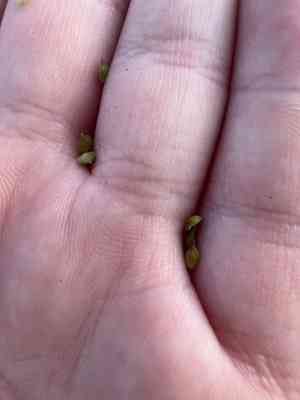
Muhlenberg's sedge flourishes when reproduced via separation, a technique perfectly aligned with its natural development. Gently separate clusters during their initial growth phases to guarantee a robust root structure. Ensure every new segment possesses adequate roots and nascent shoots to sustain autonomous development. This approach fosters energetic expansion and contributes to the well-being of muhlenberg's sedge, enabling it to proliferate and occupy garden areas efficiently.
When Is the Optimal Time to Propagate Muhlenberg's Sedge?
Method of Propagation
Splitting
Propagation Period
Spring,Autumn
What Implements Are Utilized in Muhlenberg's Sedge Propagation?
Sharp Garden Spade or Knife
A keen garden spade or a precise garden knife is vital for separating the root masses of muhlenberg's sedge. This tool assists in making clean cuts through the root system, which is crucial for minimizing harm and ensuring the divided sections remain robust. Clean cuts aid in quicker root recovery, promoting faster establishment once replanted.
Garden Fork
A sturdy garden fork is perfect for loosening the earth around muhlenberg's sedge before attempting division. This tool enables gentle lifting of the plant with minimal disruption to the root system. By carefully easing the plant from the soil, the integrity of the root system is preserved, which is essential for successful propagation.
Watering Can with a Fine Rose
Following division and replanting, consistent and gentle watering is necessary to settle the soil around the roots and aid in initial recovery from stress. A watering can equipped with a fine rose attachment disperses water evenly, providing moisture without dislodging the newly planted divisions or harming delicate root structures.
Rooting Hormone (optional)
While not always required, employing a rooting hormone can boost root development in the freshly planted divisions of muhlenberg's sedge. Rooting hormone can be applied to the cut surfaces prior to replanting to stimulate root growth, especially in more challenging propagation scenarios or with less vigorous specimens.
Label and Permanent Marker
Labeling each newly divided plant is important for monitoring its progress and maintaining organized propagation efforts. Use durable labels and a permanent marker to record key information such as the division date and specific care requirements, which assists in tracking the health and growth of muhlenberg's sedge.
How to Propagate Muhlenberg's Sedge?
Propagation Difficulty
Simple
How to Nurture Your Newly Propagated Muhlenberg's Sedge?
How to Nurture Your Newly Propagated Muhlenberg's Sedge?
Post-propagation, keep the soil consistently moist but not saturated to encourage establishment. Muhlenberg's sedge thrives in partially shaded locations, so ensure the spot doesn't receive excessive direct sunlight. During the initial growing season, provide a balanced liquid fertilizer monthly to support growth. Monitor for pests and diseases, though muhlenberg's sedge is generally quite resilient once established. Applying mulch around the base can help retain moisture and suppress weeds.
Common Errors to Avoid When Propagating Muhlenberg's Sedge
Incorrect Soil Type
Utilizing dense or excessively rich soil instead of well-draining, sandy soil can impede proper root development.
Overwatering
Excessive moisture can lead to root rot, as muhlenberg's sedge prefers drier conditions.
Improper Light Conditions
Placing muhlenberg's sedge in deep shade or overly wet areas can hinder growth, as it flourishes in full sun to light shade and well-drained soils.
Using Unsuitable Containers
Propagating muhlenberg's sedge in pots without adequate drainage holes can result in waterlogging and root damage.
Advice For Propagating Muhlenberg's Sedge
Select Well-Draining Soil
Employ sandy or gritty soil to ensure proper drainage and aeration for robust root growth.
Moderate Watering
Water sparingly and allow the soil to dry out between watering sessions to prevent root rot.
Provide Adequate Light
Ensure muhlenberg's sedge is planted in areas with full sun to light shade for optimal growth conditions.
Use Proper Containers
Choose containers with sufficient drainage holes to prevent water accumulation at the roots.



