How to Prune Mertens' sedge?
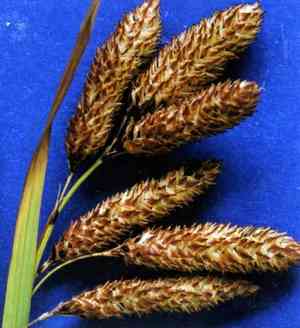
Mertens' sedge is recognized for its unique clumped, grass-like form. Trimming this particular plant variety is best performed in the early spring or late winter to foster robust development. Eliminate aged or deceased leaves to improve air movement and lower the chance of illness. Consistent trimming stimulates strong new shoots, preserving the plant's visual attractiveness. Always utilize sanitized implements to avert contagions. This precise scheduling and method will ensure mertens' sedge flourishes throughout the entire year.
What Are the Benefits of Pruning Mertens' Sedge?
What Are the Benefits of Pruning Mertens' Sedge?
Mertens' sedge thrives with trimming, leading to more robust growth and a well-kept form. Consistent pruning helps manage its size, promotes denser foliage, and lowers disease risk. Ensure proper timing for healthy new development.
What Is the Best Time for Pruning Mertens' Sedge?
What Is the Best Time for Pruning Mertens' Sedge?
Trimming or cutting mertens' sedge in late winter to early spring is recommended as it aligns with its dormant period. Pruning during dormancy minimizes disease and pest issues, allowing the plant to recover before active growth. Additionally, seasonal trimming helps maintain its shape, encourages healthier development, and avoids disrupting its flowering or fruiting cycles, ensuring a vibrant and attractive look year-round.
What Tools Do I Need to Prune Mertens' Sedge?
Hand Pruners
Hand pruners are perfect for snipping small, individual stems near the base without harming nearby leaves. Excellent for preserving the shape and vitality of mertens' sedge.
Shears
Shears are effective for cutting back large clusters or entire sections simultaneously, making them efficient for topping or trimming mertens' sedge to control its expansion.
Gloves
Working with mertens' sedge can expose you to sharp edges and rough textures, so wearing gloves is essential for hand protection.
How to Prune Mertens' Sedge
Inspect
Examine mertens' sedge for any indications of diseased or withered leaves, focusing on areas showing discoloration or damage.
Tools
Ensure your pruning shears or scissors are clean and sharp to make precise cuts and prevent disease transmission.
Remove diseased
Carefully snip off any diseased leaves close to the plant's base, cutting into healthy tissue to halt disease spread.
Remove withered
Cut away withered leaves, ensuring to trim them near the base for a tidier look and to encourage new growth.
Dispose
Properly discard pruned parts to prevent disease spread, such as by burning or sealing them in a bag for disposal.
Common Pruning Mistakes with Mertens' Sedge
Improper technique
Many gardeners err by using dull or dirty tools when pruning mertens' sedge. This can result in jagged cuts that harm the plant and increase its susceptibility to disease.
Incorrect timing
Pruning mertens' sedge at the wrong time, even with optimal techniques, can unduly stress the plant and hinder its growth. Avoid pruning during active growth or extreme weather, except for minor tidying.
Over-pruning
A frequent error is removing too much plant material at once. Excessive pruning can severely detract from mertens' sedge's natural form and impede its growth and flowering potential.
Neglecting sanitation
Failing to sanitize pruning tools between cuts can spread diseases and pests from one part of the plant to another or to different plants.
Common Pruning Tips for Mertens' Sedge
Use sharp tools
Always use sharp, clean tools when pruning mertens' sedge to ensure precise cuts that heal quickly and reduce infection risks.
Prune gradually
When dealing with overgrown or misshapen mertens' sedge, it's best to prune gradually over several sessions rather than all at once to avoid undue stress.
Focus on damaged areas
Direct pruning efforts toward removing damaged, dead, or diseased foliage, which will help channel the plant's energy into healthy growth.
Maintain shape
Aim to preserve the natural shape of mertens' sedge while pruning. This can be achieved by making selective cuts that improve airflow and light penetration without drastically altering its form.
Regular inspection
Frequent inspection and minor pruning can prevent the need for major cuts and help detect potential issues early, maintaining mertens' sedge's health and appearance.



