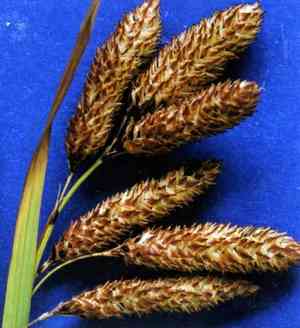
Mertens' sedge (Carex mertensii)
Also known as: Mertens' Sedge
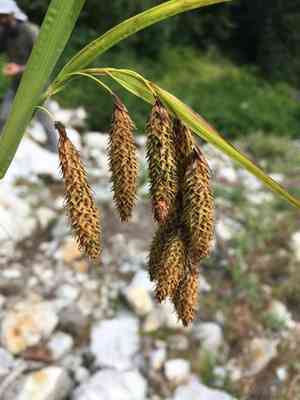
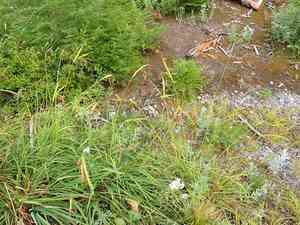
This sedge forms clumps of stems that can grow to heights ranging from 80 cm to 1.2 m. The leaves are relatively small, with the lower ones reduced to sheaths. Its inflorescence consists of a densely packed, bullet-shaped cluster of overlapping flowers, primarily hanging on elongated peduncles.
In This Article
Attributes of Mertens' sedge
Lifespan
Perennial
Plant Height
20-80 cm
Spread
20-40 cm
Leaf Color
Green
Flower Size
Small, about 2-5 mm
Flower Color
Brownish to green
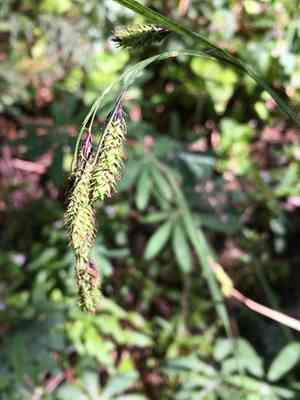
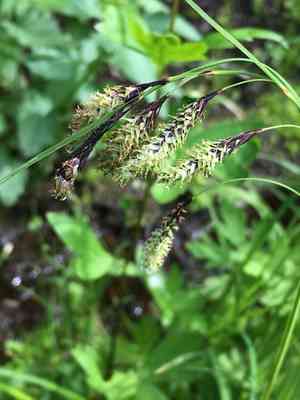
Images of Mertens' sedge
Quickly Identify Mertens' sedge
1
Carex mertensii can be identified by its narrow, grass-like leaves and clusters of small, brownish or green flowers. The stems are typically triangular in cross-section and the plant forms dense clumps.
Scientific Classification of Mertens' sedge
Phylum
Vascular plants
Class
Monocotyledons
Order
Poales
Family
Sedge
Genus
True sedges
Species
Mertens' sedge
Planting and Growing of Mertens' sedge
Care Difficulty
Moderate
Watering Schedule
Every 2 days
Sunlight Requirements
Partial sun
Sunshine Duration
4-8 hours
Ideal Temperature
50-70℉
Soil Type
Potting Mix, Peat Mix
Soil pH
6.5-7.5
Fertilizer Type
Balanced
Pruning Season
Spring, Summer
Pruning Area
Branches, Leaves
Pruning Frequency
2 times a year
Repotting Season
Spring
Pot Type
Plastic, Ceramic
 How to Water Mertens' sedge?
For Carex mertensii, aim to provide approximately 250 milliliters of water each time you water. This amount ensures that the soil remains moist but not waterlogged, promoting healthy root growth. It's crucial to allow the top layer of soil to dry slightly between waterings, which helps prevent root rot and keeps the plant in good condition.
What are the symptoms of an underwatered Mertens' sedge?
›
What should I do if my Mertens' sedge is not getting enough water?
›
What are the symptoms of an overwatered Mertens' sedge?
›
How to save an overwatered Mertens' sedge?
›
 What Are the Sunlight Requirements for Mertens' sedge?
Partial sun, ensuring the plant receives morning sunlight and afternoon shade, provides optimal conditions. This promotes energetic photosynthesis in the morning and protection from harsh afternoon light.
Best lighting for growth?
›
Solution to achieve ideal light?
›
Benefits of ideal lighting conditions?
›
 What Is the Ideal Temperature Range for Mertens' sedge?
For Carex mertensii, the ideal temperature range for growth is between 50°F and 70°F. This range helps maintain the plant’s metabolic functions, ensuring healthy growth and preventing stress. Temperatures outside this range can slow down physiological processes, affecting overall development.
 What Soil is Best for Mertens' sedge?
Carex mertensii thrives in soils with excellent drainage to prevent waterlogging. Consistent moisture without standing water keeps the roots healthy, promoting robust growth and reducing rot risk. This plant prefers fertile soils rich in organic matter. Nutrient-rich soil supports vigorous growth and ensures the foliage stays lush and vibrant, enhancing its ornamental appeal. Although well-drained soil is crucial, adequate moisture retention is also necessary. Soils that can hold moisture without becoming soggy ensure the plant remains hydrated, especially in drier spells.
 How to Fertilize Mertens' sedge?
For Carex mertensii, you should apply a liquid fertilizer at half the strength recommended by the manufacturer, ensuring that the soil is moist. For slow-release fertilizers, use a balanced formula and apply lightly to avoid nutrient burn.
 How to Prune Mertens' sedge?
Use sharp, clean pruning shears to avoid tearing the plant tissue. This ensures clean cuts that minimize stress and potential disease entry points. Always sterilize tools before use. Before pruning, identify dead or damaged foliage. These will typically appear brown and brittle. Removing these parts first helps to elevate the energy allocated to healthier parts. Wear garden gloves to protect your hands from possible cuts or allergens while handling the plant. Check for any sharp edges or thorns that might injure during the pruning process.
More About Pruning Techniques→
 How to Propagate Mertens' sedge plant?
1
Sow the seeds in a seed tray filled with a well-draining seed starting mix. Lightly cover the seeds with soil and water gently. Place the tray in a location with indirect sunlight.
2
Once seedlings develop a strong root system and a couple of true leaves, transplant them to individual pots or a prepared garden bed. Ensure they have enough space to grow and establish.
3
In early spring or early summer, use a garden fork to lift mature plants from the soil. Gently separate the root clumps into smaller sections and replant them at the same depth as the original plant.
 How to Repot Mertens' sedge plant?
1
Repot Carex mertensii when you notice the plant becoming root-bound, with roots growing out of the drainage holes or circling the root ball's interior. Another signal is when the growth appears stunted due to the lack of space in the pot. Typically, these signs occur every couple of years, particularly in active growth periods.
2
Select a pot that is one size larger than the current one, allowing an inch or two of extra space for root growth. Ensure it has adequate drainage holes; this helps prevent waterlogging, which could lead to root rot. Using unglazed terracotta pots can be beneficial as they allow for better air exchange and moisture evaporation.
3
For Carex mertensii, choose a soil mix that retains moisture but drains well, such as a peat-based mix with added perlite. This composition maintains the necessary moisture levels without letting the soil become soggy, promoting healthier root development and preventing root diseases.



