How to Prune Mendocino sedge?
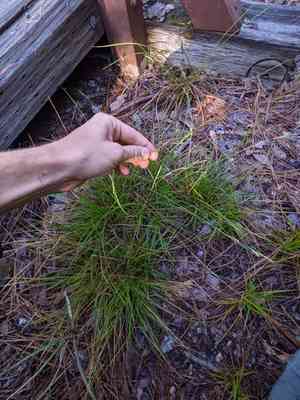
Careful trimming of Mendocino sedge, recognized for its thick clusters of curving foliage, is advantageous each year. The most suitable periods for this maintenance are in early spring and during the winter season. Eliminate any withered or compromised leaves and cut back faded flower stems to foster robust development. This practice aids in preventing excessive density and enhances air movement, thereby lowering the likelihood of fungal ailments. Furthermore, pruning stimulates fresh growth and preserves the plant's neat aesthetic. Always verify that your implements are sanitized to avert the dissemination of pathogens.
What Are the Benefits of Pruning Mendocino Sedge?
What Are the Benefits of Pruning Mendocino Sedge?
Trimming mendocino sedge promotes robust growth and maintains its form by eliminating dead or overgrown stalks. It fosters healthy new development, enhances air circulation, and reduces disease risk, ensuring the plant retains its appealing and strong structure.
What Is the Best Time for Pruning Mendocino Sedge?
What Is the Best Time for Pruning Mendocino Sedge?
Early spring and winter are considered prime times for trimming mendocino sedge. Pruning in early spring is ideal as the plant recovers quickly during its active growth phase, with new growth concealing pruned areas. Winter pruning is advised because the plant is dormant, minimizing stress and potential harm. These seasons avoid active growth and flowering, directing the plant's energy towards healthy regrowth instead of sustaining new growth or blooms.
What Tools Do I Need to Prune Mendocino Sedge?
Hand Pruners
Ideal for precise cuts near the base of mendocino sedge, enabling removal of dead or damaged foliage without harming adjacent growth.
Pruning Shears
Useful for cutting back larger clumps and managing overgrown sections, promoting healthy regrowth.
Garden Scissors
Perfect for detailed trimming tasks on mendocino sedge, especially when shaping or thinning out dense areas.
Hedge Shears
Best for maintaining the overall shape and height of mendocino sedge, particularly during seasonal trims.
How to Prune Mendocino Sedge
Identify
Inspect mendocino sedge for diseased and withered leaves, distinguishing them from healthy growth. Look for indicators such as discoloration, wilting, or shriveling.
Prepare
Gather necessary tools, such as sanitized pruning shears, to ensure clean cuts and prevent disease transmission.
Trim diseased
Carefully cut away any diseased leaves close to their base, ensuring complete removal of the affected area to prevent further infection.
Trim withered
Remove withered leaves by cutting them at their base, taking care not to damage nearby healthy leaves or stems.
Cleanup
Collect all trimmed parts and dispose of them properly to avoid potential disease spread. Ensure the area around mendocino sedge is clean and free of debris.
Common Pruning Mistakes with Mendocino Sedge
Improper technique
Using dull or unsanitized tools can cause damage and introduce diseases. Incorrect cutting angles or tearing instead of clean cuts can harm the plant's tissues.
Over-pruning
Removing too many leaves or stems can stress mendocino sedge, leading to poor growth or even death. Excessive pruning removes too much photosynthetic material, vital for the plant's energy production.
Pruning at the wrong points
Cutting too close to the plant's base or not following its natural shape can disrupt growth patterns and result in unattractive or weakened structures.
Common Pruning Tips for Mendocino Sedge
Use proper tools
Always use sharp, sterilized pruning shears for clean cuts, which help prevent disease and damage to the plant's tissue. Ensure tools are appropriate for the stem size being pruned.
Follow the natural shape
When trimming mendocino sedge, adhere to its natural growth habit to maintain its aesthetic appeal and structural integrity. This promotes healthy and balanced plant growth.
Moderation is key
Avoid removing more than one-third of the plant at a time. This practice ensures mendocino sedge has sufficient foliage for effective photosynthesis and to maintain its health and vigor.
Target dead or damaged foliage
Prioritize removing any dead, dying, or damaged leaves and stems first. This not only enhances the plant's appearance but also helps prevent disease spread and encourages new, healthy growth.



