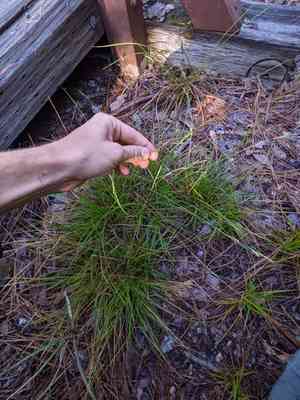
Mendocino sedge (Carex mendocinensis)
Also known as: Mendocino Sedge
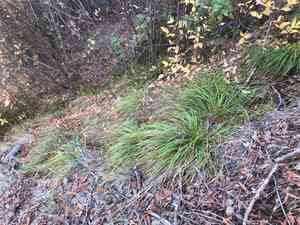
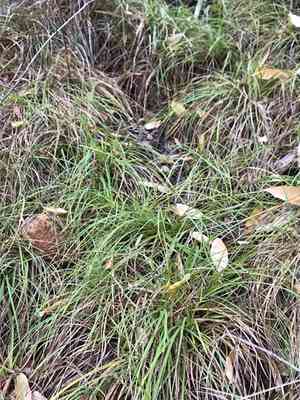
Mendocino sedge is a perennial, grass-like herb found primarily in the tranquil meadows and wooded areas of Mendocino County. It features slender, arching green leaves that grow in dense clusters and produce subtle, tassel-like flowers in late spring. This hardy sedge thrives in moist, shaded habitats, showcasing its ecological versatility and resilience.
In This Article
Attributes of Mendocino sedge
Lifespan
Perennial
Plant Type
Grass
Plant Height
0.3-0.6 meters
Spread
Not applicable
Leaf Color
Green
Flower Size
Small, typically less than 1 cm
Flower Color
Brown to green
Images of Mendocino sedge
Quickly Identify Mendocino sedge
1
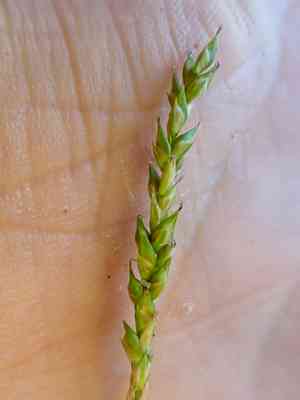
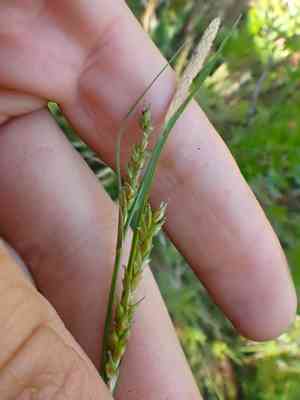
Identification of Carex mendocinensis involves looking for a clumping habit, with narrow, grass-like leaves and a characteristic flowering spikelet. Its leaves are V-shaped in cross-section, and its inflorescence is composed of several spikelets arranged along the stem.
Scientific Classification of Mendocino sedge
Phylum
Vascular plants
Class
Monocotyledons
Order
Poales
Family
Sedge
Genus
True sedges
Species
Mendocino sedge
Planting and Growing of Mendocino sedge
Care Difficulty
Moderate
Watering Schedule
Every 3 days
Sunlight Requirements
Partial sun
Sunshine Duration
4-8 hours
Ideal Temperature
55-77℉
Soil Type
Potting Mix, Peat Mix
Soil pH
6.5-7.5
Fertilizer Type
Balanced
Pruning Season
Spring, Summer
Pruning Area
Branches, Leaves
Pruning Frequency
2 times a year
Repotting Season
Spring
Pot Type
Plastic, Ceramic
 How to Water Mendocino sedge?
Carex mendocinensis thrives best when the soil is kept consistently moist but not waterlogged. Ideally, aim to water the plant until the soil is thoroughly saturated, translating to approximately 500 ml per session to achieve optimal hydration. This amount ensures that water reaches the deeper roots without causing stagnation.
What are the symptoms of an underwatered Mendocino sedge?
›
What should I do if my Mendocino sedge is not getting enough water?
›
What are the symptoms of an overwatered Mendocino sedge?
›
How to save an overwatered Mendocino sedge?
›
 What Are the Sunlight Requirements for Mendocino sedge?
Carex mendocinensis thrives in partial sun where it can enjoy 4 to 6 hours of sunlight daily. Ideal light conditions promote lush growth, vibrant leaf coloration, and robust health.
What is the best positioning for Carex mendocinensis?
›
How can I adjust lighting throughout the seasons?
›
What tools or methods can help manage its light exposure?
›
 What Is the Ideal Temperature Range for Mendocino sedge?
For optimal growth, Carex mendocinensis prefers a mild temperature range typically between 55°F and 77°F. This range supports the plant's metabolic processes, including photosynthesis, nutrient uptake, and overall growth. Maintaining this temperature range helps in preventing stress-related stunting or discoloration, ensuring vibrant and robust foliage.
 What Soil is Best for Mendocino sedge?
Carex mendocinensis thrives in well-drained soils as it prevents waterlogging, which could cause root rot. Ensuring the soil drains properly helps maintain healthy roots and robust growth. This plant benefits from soil that retains a moderate level of moisture. It prevents the plant from drying out between watering sessions, ensuring consistent hydration. A nutrient-rich substrate supports the vigorous growth of Carex mendocinensis by providing essential minerals and organic matter. Enhancing the nutrient content of the soil can lead to more vibrant foliage and increased resilience.
 How to Fertilize Mendocino sedge?
For Carex mendocinensis, it's important to provide nutrients carefully. Use half the recommended dose on the packaging for liquid fertilizers, as this sedge has moderate nutrient demands. Over-fertilizing can lead to more harm than good.
 How to Prune Mendocino sedge?
Begin by inspecting the plant for any dead or yellowing leaves. Using sharp, clean shears, cut these leaves back to the base. Shape the plant by trimming around the edges, keeping its natural form. Ensure airflow by thinning out crowded areas, which can help prevent disease. After pruning, make sure to clean up all cut foliage and debris. This helps to prevent the spread of diseases and pests, which can be attracted to decaying plant material left on the ground.
More About Pruning Techniques→
 How to Propagate Mendocino sedge plant?
1
Before sowing, seeds should be cleaned and stratified for better germination rates. Stratification mimics natural conditions, signaling seeds that it's time to sprout.
2
To propagate by division, lift the entire plant clump carefully. Once out of the soil, gently separate the roots to form smaller sections, each with healthy roots and shoots.
3
Plant the separated divisions immediately in prepared soil, ensuring the crown is at soil level. Water them thoroughly to help them settle and establish.
 How to Repot Mendocino sedge plant?
1
Carex mendocinensis often shows signs of needing repotting when its roots start to circle the pot or protrude through the drainage holes. Moreover, slower growth or a decline in foliage can suggest it's time for a fresh pot with nutrient-rich soil. Spring and autumn are ideal seasons to perform repotting because the plant is in its growing phase and can recover smoothly.
2
Select a pot that is one size larger than the current one, ensuring it has adequate drainage holes. A pot made from breathable material like clay is preferred as it helps maintain moisture equilibrium and provides stability. Choosing the right pot impacts the plant's growth positively by reducing overwatering risks and providing root space.
3
Opt for a rich, loamy, and well-draining soil mix. This ensures excess water drains efficiently thus preventing root rot, while still retaining sufficient nutrients and moisture for root uptake. The loamy texture provides the right balance of air circulation, which is crucial for healthy root development.



