How to Propagate Mendocino sedge?
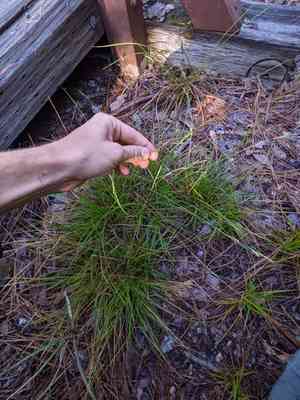
Carex mendocinensis, a species within the sedge family, flourishes in damp forest and grassland environments. It can be successfully multiplied by dividing its clumps, making sure each section possesses robust roots and emerging foliage. Carefully split the clusters and reintroduce them into environments mirroring the original plant's conditions for best development. Maintaining steady hydration will aid its successful integration into new sites.
Optimal Time for Mendocino Sedge Propagation
Propagation Type
Division
Propagation Season
Spring,Autumn
Tools for Mendocino Sedge Propagation
Garden Fork
A garden fork is crucial for gently lifting mendocino sedge clumps from the ground without causing excessive root damage. Its tines easily penetrate the soil, aiding in loosening and lifting clumps during division.
Sharp Knife or Pruners
A sharp knife or pruners are essential for precisely and cleanly dividing mendocino sedge clumps. Clean cuts minimize disease risk and promote better healing and rooting in new sections.
Buckets or Containers
Buckets or containers are used for temporarily holding divided mendocino sedge sections during propagation. They assist in transport and keep sections hydrated and protected until replanting.
Root Hormone Powder
Root hormone powder is beneficial for encouraging root growth in divided mendocino sedge sections. After clean cuts, applying root hormone can enhance root development, increasing propagation success.
Trowel
A trowel is vital for replanting divided mendocino sedge sections into their new spots. It helps create appropriate holes and ensures each section is planted at the correct depth and orientation.
Watering Can with Fine Rose
A watering can with a fine rose provides gentle, even watering, crucial for newly planted mendocino sedge sections. Proper watering ensures hydration and reduces transplant shock.
Mulch
Mulch is used to cover the soil around newly planted mendocino sedge sections. It helps retain soil moisture, regulate soil temperature, and suppress weeds, contributing to healthier root development and establishment.
How to Propagate Mendocino Sedge?
Propagation Type
Easy
Caring for Newly Propagated Mendocino Sedge
How to Care for Your Newly Propagated Mendocino Sedge?
After propagation, provide consistent moisture to mendocino sedge as it establishes. Mulching around the base helps retain soil moisture and suppress weeds. Ensure the plant receives partial to full sunlight and monitor for stress or disease. Regularly remove dead or damaged foliage to promote healthy growth. Fertilize lightly if needed, but avoid over-fertilizing to maintain its natural form.
Common Mistakes to Avoid When Propagating Mendocino Sedge
Overwatering
Excessive watering can lead to root rot, hindering healthy growth and potentially killing mendocino sedge. Proper drainage is crucial to prevent this.
Improper Soil Mix
Using soil that retains too much water or lacks adequate nutrients can stunt growth and impede root development. Mendocino sedge requires well-draining soil rich in organic matter.
Lack of Light
Mendocino sedge needs ample light; propagation in insufficient light can weaken the plant. This can result in leggy growth and lower survival rates.
Incorrect Planting Depth
Planting mendocino sedge too deep or too shallow affects its ability to establish a strong root system. Proper planting depth is crucial for stability and nutrient uptake.
Neglecting Temperature Requirements
Exposure to temperatures outside mendocino sedge's preferred range can impact its growth and survival during propagation. Understanding its temperature needs is vital.
Tips For Propagating Mendocino Sedge
Moderate Watering
Ensure the soil remains moist but not waterlogged. Consistent moisture is key, but allow the soil to dry slightly between waterings to prevent root rot.
Use Well-Draining Soil
Prepare a soil mix that drains efficiently and is enriched with organic material. A mix of potting soil and coarse sand or perlite works well for mendocino sedge.
Provide Sufficient Light
Place mendocino sedge in a location where it receives ample natural light. If indoors, ensure it is near a bright window or use grow lights as necessary.
Correct Planting Depth
When transplanting mendocino sedge, plant it at a depth where the crown is just above the soil line. This ensures proper root establishment and growth.
Maintain Ideal Temperature
Keep mendocino sedge in conditions that match its temperature preferences. Avoid exposure to extreme heat or cold to ensure healthy propagation.



