How to Prune Blue ridge sedge?
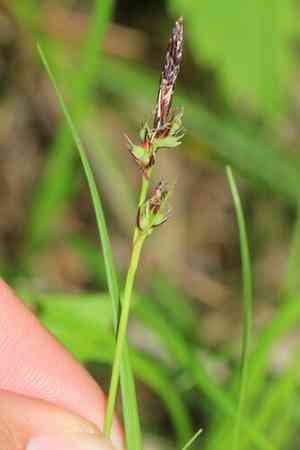
A perennial grass-like sedge, blue ridge sedge is recognized for its clumping form and delicate foliage. Trimming is most effective in early spring or winter, either preceding or following the active growth period, to preserve the plant's vitality and aesthetic. Severing the aged leaves revitalizes the plant and stimulates fresh development. Make certain to eliminate any discolored or compromised foliage to foster air movement and diminish the likelihood of illness. Shaping this variety can improve its dense structure and avert excessive density in cultivated areas.
Advantages of Trimming Blue Ridge Sedge
Advantages of Trimming Blue Ridge Sedge
Trimming blue ridge sedge promotes robust development and helps maintain its desired form. Regular cutting prevents overcrowding and enhances air circulation, reducing disease risks and improving the plant's overall health and look.
Optimal Time for Trimming Blue Ridge Sedge
Optimal Time for Trimming Blue Ridge Sedge
Trimming blue ridge sedge in early spring is ideal as it prepares the plant for vigorous growth in the upcoming season. Removing dead or damaged foliage at this time ensures the plant's energy is directed towards producing new, healthy growth. Winter is another suitable time for trimming, as blue ridge sedge is dormant then. This dormancy minimizes stress on the plant, allowing it to heal better from cuts without diverting resources from growth, which is crucial for its overall health and vitality.
Tools Required for Trimming Blue Ridge Sedge
Hand Pruners
Suitable for trimming and shaping blue ridge sedge, as they provide precise cuts that help maintain the plant's appearance without causing damage to the delicate foliage.
Grass Shears
Ideal for snipping through the grass-like foliage of blue ridge sedge, especially useful for detailed trimming around the edges and maintaining neat tufts.
Garden Scissors
These are perfect for lighter, more meticulous trimming tasks. They can help in removing dead or yellow leaves from blue ridge sedge, ensuring a neat and tidy plant appearance.
How to Trim Blue Ridge Sedge
Identify
Identify and assess the health of blue ridge sedge's leaves. Look carefully for any that are diseased or have dried out, which can appear discolored, spotted, or wilted.
Prepare
Prepare your trimming tools. Use sharp, clean scissors or pruning shears. Disinfect the blades with rubbing alcohol or a bleach solution to prevent the spread of any potential disease from infected plants to healthy ones.
Trim diseased
Carefully trim off the diseased leaves. Cut each leaf at the base where it joins the main clump, being cautious not to pull or tear which could damage blue ridge sedge's roots or healthy leaves.
Trim withered
Remove the withered leaves in a similar manner, cutting at the base to preserve the appearance and health of blue ridge sedge. This helps prevent decay that could attract pests or lead to further disease.
Cleanup
Dispose of the removed leaves properly, ideally by sealing them in a bag before discarding to avoid spreading any disease in your garden. Clean the tools again after finishing and wash your hands.
Common Trimming Errors with Blue Ridge Sedge
Over-trimming
Cutting back too much of blue ridge sedge often leads gardeners to inadvertently remove healthy foliage that supports the plantâs photosynthesis and overall energy production. This can stunt the plantâs growth and reduce its vigor.
Incorrect cutting technique
Using dull or dirty trimming tools can damage the stems of blue ridge sedge, potentially leading to jagged cuts that poorly heal and increase the susceptibility to diseases.
Uniform cutting
Trimming blue ridge sedge into a uniform shape or cutting all stems to the same length ignores the natural growth pattern of the plant, which can lead to a less natural appearance and potentially harm the plant's health.
General Trimming Advice for Blue Ridge Sedge
Use sharp tools
Ensure to use sharp, clean trimming shears to make precise cuts on blue ridge sedge. This helps in minimizing the damage to the plant tissues, promoting faster and healthier healing.
Selective trimming
Remove only the dead or damaged foliage of blue ridge sedge to maintain the plantâs natural shape and promote healthier, denser growth. This targeted approach helps preserve the vitality of the plant while keeping it tidy.
Thinning out
Thin out the denser areas of blue ridge sedge to improve air circulation within the clumps, which is beneficial for reducing the risk of fungal infections and encouraging new growth.



