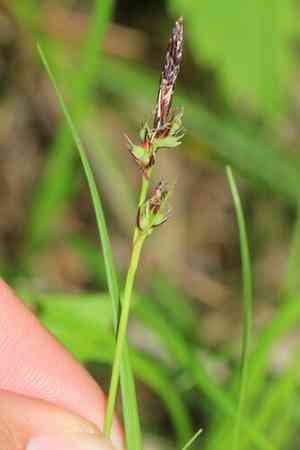
Blue ridge sedge (Carex lucorum)
Also known as: Blue Sedge, Luzula Luzuloides
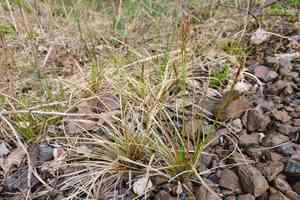
The Blue Ridge sedge is a perennial plant that typically grows in moist woodlands and open forest areas. This sedge species has slender, bright green leaves and prefers dappled sunlight. It forms dense clumps and produces small, greenish-brown flower spikes in late spring, blending seamlessly into the forest undergrowth.
In This Article
Attributes of Blue ridge sedge
Lifespan
Perennial
Plant Type
Grass
Plant Height
12-24 inches (30-60 cm)
Spread
12-18 inches (30-45 cm)
Leaf Color
Blue-green
Flower Size
0.1-0.2 inches (2-5 mm)
Flower Color
Light green to brown
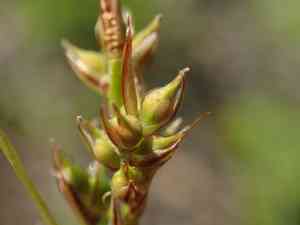
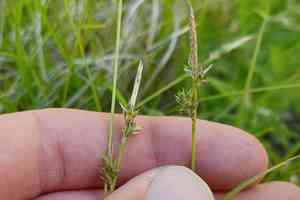
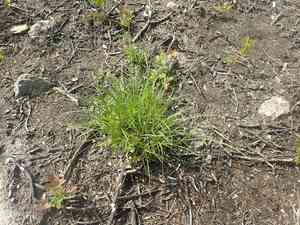
Images of Blue ridge sedge
Quickly Identify Blue ridge sedge
1
This plant can be identified by its dense tufts of narrow, grass-like leaves. The leaves are blue-green in color and can reach a height of up to 24 inches. During the blooming season, it produces small, inconspicuous flowers arranged in spikelets.
Scientific Classification of Blue ridge sedge
Phylum
Vascular plants
Class
Monocotyledons
Order
Poales
Family
Sedge
Genus
True sedges
Species
Blue ridge sedge
Planting and Growing of Blue ridge sedge
Care Difficulty
Easy
Watering Schedule
Every 2 days
Sunlight Requirements
Partial sun
Sunshine Duration
6-8 hours
Ideal Temperature
60-75℉
Soil Type
Potting Mix, Peat Mix
Soil pH
6.5-7.5
Fertilizer Type
Balanced
Pruning Season
Spring, Summer
Pruning Area
Branches, Leaves
Pruning Frequency
2 times a year
Repotting Season
Spring
Pot Type
Plastic, Ceramic
 How to Water Blue ridge sedge?
For Carex lucorum, water until the soil is evenly moist, but avoid waterlogging. Aim for about 200 milliliters to ensure the water reaches the root zone without causing excess drainage.
What are the symptoms of an underwatered Blue ridge sedge?
›
What should I do if my Blue ridge sedge is not getting enough water?
›
What are the symptoms of an overwatered Blue ridge sedge?
›
How to save an overwatered Blue ridge sedge?
›
 What Are the Sunlight Requirements for Blue ridge sedge?
Partial sun provides Carex lucorum with a balanced exposure, ideally between 4 to 6 hours daily, fostering optimal growth and maintaining vibrant leaf color while minimizing stress.
What is the best light condition for Carex lucorum?
›
How can I achieve this ideal lighting?
›
What benefits come from achieving ideal lighting?
›
 What Is the Ideal Temperature Range for Blue ridge sedge?
Carex lucorum thrives best in temperatures ranging from 60°F to 75°F. This temperature range supports its growth by providing the ideal conditions for metabolic processes and nutrient absorption, while minimizing stress factors.
 What Soil is Best for Blue ridge sedge?
Carex lucorum thrives in soil that retains moisture well. Being a reed-like plant, it requires consistent hydration, which loam can offer. This high moisture retention keeps the plant lush and prevents it from drying out. Loam soils are rich in nutrients, providing Carex lucorum with essential minerals and organic matter needed for healthy growth. This abundance in nutrients supports robust foliage and vibrant coloration. The structure of sandy loam ensures good air circulation around the roots, preventing root rot. Ample oxygen contributes to the efficient uptake of nutrients and water, promoting vigorous growth.
 How to Fertilize Blue ridge sedge?
For Carex lucorum, it's crucial to use a balanced fertilizer at half the recommended strength for most houseplants. When using liquid fertilizers, mix about 1 to 2 ml per liter of water to avoid over-fertilization. Adjust based on specific growth stages and environmental conditions.
 How to Prune Blue ridge sedge?
Start by identifying any dead, damaged, or diseased foliage on your Carex lucorum. Use clean, sharp scissors or garden shears to trim these away, cutting back to healthy, green leaves. This will not only tidy up the plant but also encourage new, healthy growth to emerge. After removing unhealthy parts, focus on shaping the plant. Trim any overly long or unruly stems to create a uniform, bushy appearance. Make sure to cut at a slight angle to facilitate better healing and encourage water runoff, preventing any fungal diseases.
More About Pruning Techniques→
 How to Propagate Blue ridge sedge plant?
1
Begin by filling a seed tray with a well-draining potting mix. Sow the Carex lucorum seeds on the surface and lightly cover them with a thin layer of soil. Water gently to keep the soil moist but not waterlogged.
2
When the plant is mature enough, use a garden fork to gently lift the clump from the ground. Shake off excess soil and carefully separate the roots into sections, ensuring each division has sufficient root mass for regrowth.
3
Replant each division into its own pot or directly into prepared ground. Ensure the planting depth is consistent with its previous growing conditions, press down the soil firmly, and water thoroughly to settle the roots.
 How to Repot Blue ridge sedge plant?
1
Carex lucorum should be repotted when its roots begin to outgrow the container, evidenced by roots poking through drainage holes or stunted growth. Late spring or early autumn provides optimal conditions for this transition due to moderate temperatures and reduced plant stress.
2
Choose a pot slightly larger than the current one, ensuring it has good drainage. A pot that is too big can lead to water retention and root rot, whereas a slightly larger pot facilitates healthy root expansion and sustains steady plant growth.
3
Opt for a loamy and well-draining soil mix to mimic its natural habitat. This blend supports robust root development and prevents waterlogging, thus mitigating the risk of root rot and ensuring the plant thrives in its new container.
Learn More About Blue ridge sedge Diseases
Anthracnose
Bacterial Leaf Spot
Bacterial Soft Rot
Bacterial Wilt
Chemical Injury
Cyst Nematode
Damping-off
Downy Mildew
Drought Stress
Fusarium Wilt
Gray Mold
Leaf Spot
Mosaic
Nutrient Deficiency
Nutrient Toxicity
Powdery Mildew
Root Rot
Root-knot Nematode
Rusts
Sooty Mold
Spider Mites
Temperature Stress
Thrips Damage
White Mold



