The Blue ridge sedge Plant Advantage: Maximizing Home and Office Appeal and Wellness
1
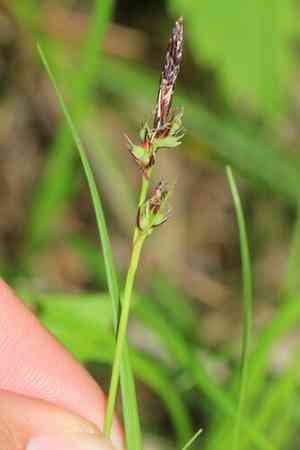
Blue ridge sedge is an easy-care decorative grass perfect for sustainable garden designs.
2
Blue ridge sedge aids in preventing soil loss and fosters native wildlife.
3
Its capacity to flourish in diverse soil conditions makes Blue ridge sedge adaptable for various garden environments.
What Are the Ecological Advantages of Blue ridge sedge?
Soil Stabilization
Blue ridge sedge excels at securing soil due to its dense root structure. This aids in preventing soil erosion, particularly on inclines and loose ground. By planting Blue ridge sedge in areas prone to erosion, you can effectively anchor the soil and prevent runoff.
Supporting Local Wildlife
Blue ridge sedge offers a habitat and food source for various native animals, including insects, birds, and small mammals. By incorporating Blue ridge sedge into your garden, you're not just adding an aesthetic feature but also contributing to the local ecosystem by fostering biodiversity.
Why Select Blue ridge sedge for Your Garden Design?
Minimal Upkeep Requirements
A key characteristic of Blue ridge sedge is its low maintenance needs. Unlike other decorative plants that might require frequent watering, trimming, and fertilizing, Blue ridge sedge is robust and can flourish with little attention. This makes it an ideal option for gardeners aiming to reduce upkeep time and resource usage.
Adaptability to Soil Types
Blue ridge sedge is highly versatile regarding soil conditions, including sandy, loamy, and clay soils. Its capacity to grow well in both arid and moist environments enhances its flexibility. Whether you're working with a garden bed or a rocky hillside, Blue ridge sedge can establish itself effectively and boost the area's visual appeal.
How Can Blue ridge sedge Enhance Garden Beauty?
Distinctive Texture and Hue
The slender, arching blades of Blue ridge sedge provide a unique texture that contrasts beautifully with other plants. Its muted green leaves often acquire a bluish tint, offering a calming and tranquil visual element to any garden. The plant's ability to sway gracefully in the breeze adds a dynamic aspect to static garden layouts.
Year-Round Appeal
Blue ridge sedge maintains its attractive appearance throughout the year, offering varied shades and textures across different seasons. In spring and summer, it provides lush, green foliage, while in autumn and winter, its blades may turn a subtle tan, adding seasonal interest even in the colder months.
How to Successfully Incorporate Blue ridge sedge into Your Garden?
Planting Techniques
To integrate Blue ridge sedge effectively into your garden, consider its mature size and space it appropriately to allow for full development. Planting in clusters can create a visually striking mass of texture and color, while individual specimens can serve as focal points in your landscape design.
Companion Planting
Blue ridge sedge pairs well with a variety of other plants, including flowering perennials, shrubs, and other ornamental grasses. Its neutral color makes it an excellent backdrop for more vibrant plants, creating a balanced and visually appealing garden composition.
Tips for Caring for Blue ridge sedge in Various Climates
Cold Regions
In colder climates, Blue ridge sedge is quite resilient but may benefit from mulch to protect its roots during harsh winters. Ensure that the plant is well-established before the first frost to increase its chances of survival.
Hot and Arid Regions
For gardens in hot and dry climates, Blue ridge sedge proves to be an excellent choice due to its drought tolerance. Although it can withstand dry conditions, occasional deep watering during prolonged dry spells will keep it looking its best.



