How to Prune Woollyfruit sedge?
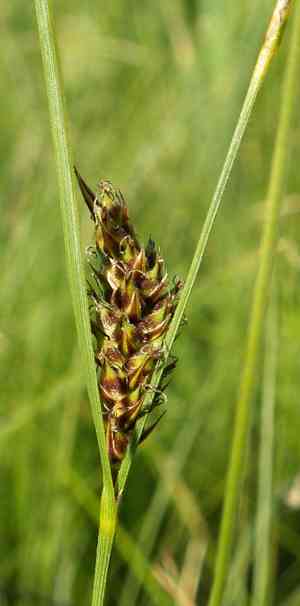
A perennial, grass-like variety, woollyfruit sedge flourishes in moist environments, forming clumps with prominent floral structures. Trim woollyfruit sedge in early spring or throughout winter for both vitality and visual appeal. During these periods, eliminate deceased or compromised leaves to stimulate development. Cutting back spent flower stems improves the plant's look and deters unwanted self-propagation. Furthermore, pruning enables light and air to penetrate the plant's foundation, fostering more robust, thicker growth.
Advantages of Trimming Woollyfruit Sedge
Advantages of Trimming Woollyfruit Sedge
Trimming woollyfruit sedge promotes more robust development, leading to strong health and enhanced vigor. It also aids in maintaining its desired form, ensuring woollyfruit sedge stays visually appealing and well-managed in its location.
Optimal Time for Trimming Woollyfruit Sedge
Optimal Time for Trimming Woollyfruit Sedge
Trimming woollyfruit sedge in early spring is ideal as it occurs before the plant's active growth period, allowing for rapid recovery and energy allocation to new growth. This is also when the plant's structure is most visible, simplifying the identification and removal of dead or diseased tissue. Winter trimming is suitable since the plant is dormant, minimizing stress and disease transmission risk. Trimming during dormancy helps preserve the plant's desired shape and vitality for the upcoming growing season.
Necessary Tools for Trimming Woollyfruit Sedge
Hand Pruners
Excellent for shaping and trimming woollyfruit sedge, hand pruners offer precise cuts and easily manage its delicate foliage. Ensure pruners are sharp to prevent plant tissue damage.
Gardening Shears
For larger clusters and thicker stems of woollyfruit sedge, gardening shears provide quick, clean cuts. They are particularly useful for cutting back foliage clumps to ground level in late winter or early spring.
Long-Handled Loppers
When dealing with hard-to-reach spots or dense thickets of woollyfruit sedge, long-handled loppers are highly effective. They offer extended reach and leverage, perfect for cutting thicker stems without back strain.
Garden Scissors
Garden scissors are useful for precise snips and maintaining woollyfruit sedge's health. They help remove dead or yellowing foliage without disturbing nearby plants.
Gardening Gloves
Though not a cutting tool, gloves are crucial for hand protection when trimming woollyfruit sedge, as its leaves can have sharp edges.
How to Trim Woollyfruit Sedge
Clean tools
Sanitize pruning shears or scissors with alcohol to prevent disease spread when cutting parts of woollyfruit sedge.
Identify diseased leaves
Inspect woollyfruit sedge closely to find diseased leaves, which may show discoloration, spots, or fungal infection signs.
Trim diseased leaves
Carefully cut diseased leaves at their base where they emerge from the plant, ensuring not to harm healthy tissue around the affected area.
Identify withered leaves
Look for withered leaves that are dying or dead, indicated by browning, drying, or a crumbled texture.
Remove withered leaves
Cut withered leaves at their base as close to the soil line as possible without disturbing the roots or adjacent healthy leaves of woollyfruit sedge.
Common Trimming Errors with Woollyfruit Sedge
Excessive trimming
Removing too much foliage at once can stress woollyfruit sedge, impeding its growth and resilience. This can result in a weakened plant structure and increased disease susceptibility.
Incorrect cutting
Cutting too close to the crown or base can harm woollyfruit sedge's growing points. This may hinder new growth or cause foliage to brown and die.
Neglecting dead material
Failing to remove dead or diseased foliage can prevent woollyfruit sedge from producing new, healthy growth, and potentially spread disease throughout the plant.
Ignoring plant shape
Random or uneven cuts can lead to an asymmetrical shape, affecting the plant's appearance and potentially its health by disrupting woollyfruit sedge's natural growth habit.
Lack of tool cleaning
Not sanitizing pruning tools before use may transfer pathogens to woollyfruit sedge, which can spread disease not only to the individual plant but across the entire garden.
General Trimming Advice for Woollyfruit Sedge
Sharp tools
Using clean, sharp pruning shears ensures clean cuts that heal quickly, promoting healthy regrowth for woollyfruit sedge.
Correct cutting angle
Making slanted cuts allows water to drain, reducing the risk of fungal growth and diseases in the cut areas of woollyfruit sedge.
Tapered trimming
Thin out the clump's center to allow light and air to reach the middle of woollyfruit sedge, promoting healthy growth throughout the entire plant.
Selective removal
Carefully remove only dead or diseased material without cutting into healthy green growth to maintain woollyfruit sedge's vigor.
Regular upkeep
Perform gentle trimming regularly to prevent dead material buildup and encourage a denser growth habit for woollyfruit sedge.



