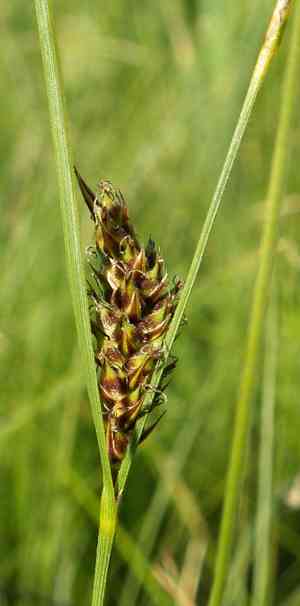
Woollyfruit sedge (Carex lasiocarpa)
Also known as: Wool-fruit sedge, Woolly-fruited sedge
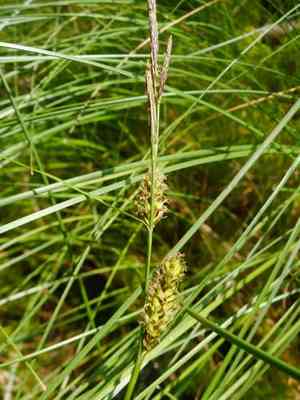
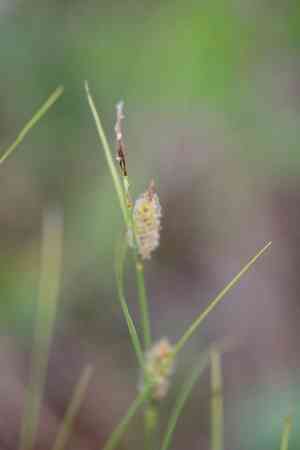
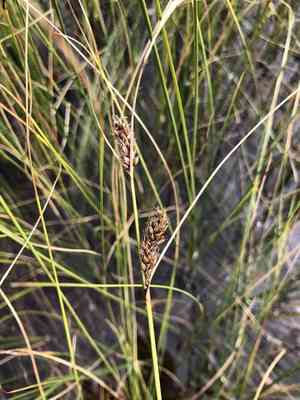
Woollyfruit sedge, an aquatic sedge, is notable for its hairy fruits that appear in summer. It is often found in wet environments such as marshes and bogs. This plant can be confused with Pill Sedge (Carex pilulifera), which has smaller fruits and a distinct peppery fragrance. Woollyfruit sedge also sometimes does not flower, adding to the difficulty in distinguishing it from similar species.
In This Article
Attributes of Woollyfruit sedge
Lifespan
Perennial
Plant Type
Grass
Plant Height
41 cm to 1.2 m
Spread
N/A
Leaf Color
Green
Flower Size
5 cm
Flower Color
Yellow Green Brown
Images of Woollyfruit sedge
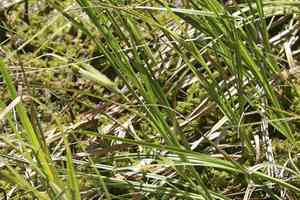
Quickly Identify Woollyfruit sedge
1
Carex lasiocarpa can be identified by its long, narrow leaves covered with fine hairs, its drooping flowering spikes, and its preference for wet, acidic soils.
Scientific Classification of Woollyfruit sedge
Phylum
Vascular plants
Class
Monocotyledons
Order
Poales
Family
Sedge
Genus
True sedges
Species
Woollyfruit sedge
Planting and Growing of Woollyfruit sedge
Care Difficulty
Hard
Watering Schedule
Every 4 days
Sunlight Requirements
Full sun
Sunshine Duration
4-8 hours
Ideal Temperature
60-75℉
Soil Type
Potting Mix, Peat Mix
Soil pH
6-7.5
Fertilizer Type
Balanced
Pruning Season
Spring, Summer
Pruning Area
Branches, Leaves
Pruning Frequency
2 times a year
Repotting Season
Spring
Pot Type
Plastic, Terracotta
 How to Water Woollyfruit sedge?
Carex lasiocarpa prefers consistently moist soil, imitating the natural wetland habitats it thrives in. When watering, aim for about 500 milliliters each time, ensuring that the soil is evenly moist without being waterlogged. It's important to distribute the water gently, allowing it to seep into the soil gradually.
What are the symptoms of an underwatered Woollyfruit sedge?
›
What should I do if my Woollyfruit sedge is not getting enough water?
›
What are the symptoms of an overwatered Woollyfruit sedge?
›
How to save an overwatered Woollyfruit sedge?
›
 What Are the Sunlight Requirements for Woollyfruit sedge?
Carex lasiocarpa thrives on a balance of full and partial sun, enjoying morning light while being shielded from harsh afternoon rays. This optimal range ensures strong growth and a resilient plant structure.
More About Sunlight Requirements Techniques→
What is the ideal lighting solution?
›
How to achieve the ideal lighting?
›
What benefits does ideal lighting provide?
›
 What Is the Ideal Temperature Range for Woollyfruit sedge?
The ideal temperature range for Carex lasiocarpa is between 60°F to 75°F. Within this range, the plant can perform essential metabolic processes efficiently, resulting in healthy growth and vibrancy.
 What Soil is Best for Woollyfruit sedge?
Carex lasiocarpa thrives in soils rich in organic matter. This requirement ensures the roots have ample nutrients for healthy growth, contributing to lush foliage and robust plant development. Soils with good moisture retention are ideal for Carex lasiocarpa, as they prevent dehydration. This helps maintain consistent moisture levels, essential for the plant's optimal growth and resistance to stress. Carex lasiocarpa prefers well-aerated soils. Proper aeration allows roots to breathe and access oxygen, promoting healthy root growth and preventing issues like root rot.
 How to Fertilize Woollyfruit sedge?
For Carex lasiocarpa, using a balanced liquid fertilizer, dilute it to half strength and apply approximately 250 ml per plant base. For slow-release fertilizers, use around 30 grams per plant, ensuring even distribution.
 How to Prune Woollyfruit sedge?
Start by removing any dead or diseased leaves, cutting them back to the base of the plant. Use sharp, clean scissors to avoid damaging the healthy parts. Trim back old flower stems to encourage fresh growth, ensuring you cut just above a healthy node. To maintain a neat appearance, trim around the edges to keep the plant in a desired shape. This can help prevent the plant from spreading too much and taking over the garden space, ensuring it remains a beautiful feature.
More About Pruning Techniques→
 How to Propagate Woollyfruit sedge plant?
1
Before dividing, water the plant thoroughly to ease the removal process. This helps in loosening the roots and reducing stress on the plant.
2
Use a garden spade to carefully lift the plant from the ground. Gently shake off excess soil and use a knife to divide the roots, ensuring each segment has healthy roots.
3
Plant the divisions in prepared soil at the same depth as before. Water the newly planted sections immediately to help them establish in their new location.
 How to Repot Woollyfruit sedge plant?
1
Repotting Carex lasiocarpa is ideally done when the plant shows signs of being root-bound, such as roots growing through drainage holes or slowed growth. These signals indicate the plant needs more space to thrive.
2
Select a pot that is 1-2 inches larger in diameter than the current one. This prevents unnecessary over-potting while giving the roots adequate room to grow. Ensure it has good drainage to prevent root rot.
3
Choose a well-draining loamy soil mix with organic matter. This supports healthy root development and retains essential nutrients and moisture efficiently, promoting Carex lasiocarpa's overall growth.
Learn More About Woollyfruit sedge Diseases
Anthracnose
Bacterial Leaf Spot
Bacterial Soft Rot
Chemical Injury
Cyst Nematode
Damping-off
Downy Mildew
Drought Stress
Fusarium Wilt
Gray Mold
Leaf Spot
Mosaic
Nutrient Deficiency
Nutrient Toxicity
Powdery Mildew
Root Rot
Root-knot Nematode
Rusts
Sooty Mold
Spider Mites
Temperature Stress
Thrips Damage
White Mold



