How to Prune Inland sedge?
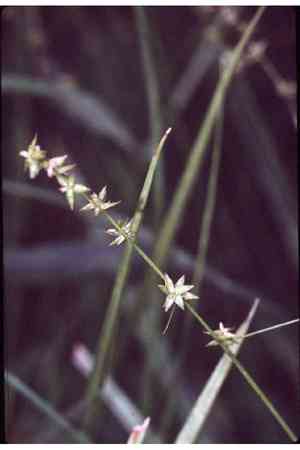
A vigorous plant thriving in moist, shaded conditions, inland sedge is recognized by its thick, grassy look. Successful trimming of inland sedge entails cutting back the deceased and excessive leaves in late winter or early spring to foster vitality and more substantial development. This opportune trimming aids in revitalizing the plant and preserving its neat form, which is especially advantageous for averting ailments by improving air movement. Concentrate on eliminating the older, central sections of clusters to stimulate fresh sprouts.
What Are the Benefits of Pruning Inland Sedge?
What Are the Benefits of Pruning Inland Sedge?
Trimming inland sedge encourages robust development and helps maintain its form, making it perfect for ornamental gardening and preventing its dense clumps from overwhelming nearby plants.
What Is the Best Time for Pruning Inland Sedge?
What Is the Best Time for Pruning Inland Sedge?
Pruning inland sedge in early spring is optimal as it coincides with the plant's preparation for new growth, ensuring energy is directed to healthy new shoots instead of old or dead foliage. Winter pruning is beneficial because inland sedge is typically dormant then. This dormancy minimizes plant stress, reducing damage to active growth or interrupting flowering cycles, which are not prominent in inland sedge. Both seasons help maintain plant health and vigor by removing spent foliage before growth cycles resume.
What Tools Do I Need to Prune Inland Sedge?
Hand Pruners
Perfect for precise cuts on the grass-like blades of inland sedge, hand pruners offer accuracy and ease, minimizing plant damage while removing dead or unwanted growth.
Grass Shears
Specifically designed for trimming grass and similar plants, grass shears allow for neat, even cuts across inland sedge foliage, enhancing its ornamental look and promoting health.
Garden Scissors
These are useful for smaller, more delicate tasks like shaping or thinning inland sedge foliage. Their sharp, precise blades make them ideal for detailed work.
How to Prune Inland Sedge
Identify
Locate and isolate any diseased or damaged leaves on inland sedge. Look carefully for discolored, withered, or infected leaves, or those showing pest damage.
Prepare
Ready sterile pruning tools. Disinfect shears or scissors before use to prevent disease spread between plants. A 1:9 bleach-to-water solution can be used for sanitization.
Cut
Carefully cut affected leaves at their base. Ensure the entire leaf is removed, including where it attaches to the main plant, to prevent diseased parts from infecting new growth.
Dispose
Properly discard removed leaves. Do not compost diseased or heavily damaged material, as this can spread pathogens in the garden. Either burn them or place them in sealed bags.
Clean
Clean tools again after finishing. Wash and sterilize all pruning tools used to remove any potentially harmful pathogens. Store them in a clean, dry place.
Common Pruning Mistakes with Inland Sedge
Overpruning
Removing too much foliage at once can weaken inland sedge by reducing its ability to photosynthesize effectively. Aiming to remove over a third of the total foliage in one session can stress the plant, leading to poor growth and reduced vigor.
Incorrect cutting technique
Using dull or dirty pruning tools can harm the delicate stems of inland sedge, resulting in frayed cuts that heal poorly. This can make the plant more susceptible to diseases and pests.
Neglecting dead material
Failing to regularly remove dead or damaged foliage from inland sedge can impede new growth and potentially create disease-prone environments around the plant's base.
Common Pruning Tips for Inland Sedge
Using sharp tools
Ensure pruning tools are sharp and clean before beginning the pruning process on inland sedge. This promotes clean cuts that heal faster, reducing infection risk and plant stress.
Gradual pruning
For optimal health and appearance, prune inland sedge gradually over time instead of drastically in one session. This prevents severe shock to the plant and ensures denser, healthier growth.
Focus on dead or damaged material
Regularly remove any dead or damaged foliage from inland sedge to encourage healthier, more vigorous growth. This practice also improves air circulation around the plant, decreasing the likelihood of fungal diseases.



