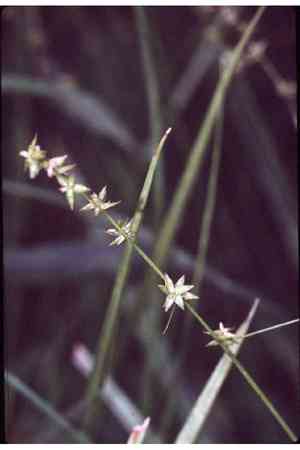
Inland sedge (Carex interior)
Also known as: False Fox Sedge
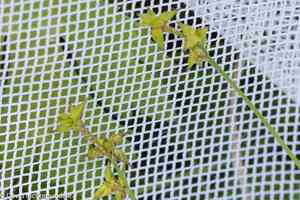
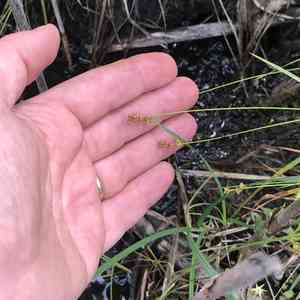
This sedge is typically found in wet environments, especially favoring calcareous soils. It forms clumps of stems that can reach about a meter in height, each stem bearing a few leaves. The plant features an inflorescence with star-shaped flower spikes adorned with gold scales. Its fruit is encased in a toothed perigynium with red tips.
In This Article
Attributes of Inland sedge
Lifespan
Perennial
Plant Type
Grass
Plant Height
20 cm to 91 cm
Spread
N/A (this plant forms clumps rather than having a distinct crown)
Leaf Color
Green
Flower Size
Small, approximately 2-5 mm
Flower Color
Green to yellow-green
Images of Inland sedge
Quickly Identify Inland sedge
1
This plant can be identified by its slender, grass-like leaves and small, inconspicuous flowers. It typically forms dense clumps and has a green to yellow-green coloration.
Scientific Classification of Inland sedge
Phylum
Vascular plants
Class
Monocotyledons
Order
Poales
Family
Sedge
Genus
True sedges
Species
Inland sedge
Planting and Growing of Inland sedge
Care Difficulty
Easy
Watering Schedule
Every 2 days
Sunlight Requirements
Partial sun
Sunshine Duration
6-12 hours
Ideal Temperature
60-75℉
Soil Type
Potting Mix, Peat Mix
Soil pH
5-7
Fertilizer Type
Balanced
Pruning Season
Spring, Summer
Pruning Area
Branches, Leaves
Pruning Frequency
2 times a year
Repotting Season
Spring
Pot Type
Plastic, Ceramic
 How to Water Inland sedge?
The watering amount for Carex interior should mimic natural rainfall. Aim to provide around 250 milliliters of water per session, ensuring the soil is evenly moist but not waterlogged. It's best to drench the soil completely until excess water drains out, reflecting the occasional heavy rains in its native habitat.
What are the symptoms of an underwatered Inland sedge?
›
What should I do if my Inland sedge is not getting enough water?
›
What are the symptoms of an overwatered Inland sedge?
›
How to save an overwatered Inland sedge?
›
 What Are the Sunlight Requirements for Inland sedge?
Partial shade is optimal for Carex interior, supporting robust growth and maintaining vibrant green foliage, crucial for aesthetic appeal and environmental adaptation.
What is the ideal light condition?
›
How can you achieve ideal lighting?
›
What are the benefits of ideal lighting?
›
 What Is the Ideal Temperature Range for Inland sedge?
For optimal growth of Carex interior, maintaining a steady temperature between 60°F to 75°F is essential. This range ensures that the plant engages in active growth and photosynthesis without the stress that extreme temperatures can impose. Studies indicate that temperatures in this range facilitate nutrient absorption and root development, crucial for this species' health.
 What Soil is Best for Inland sedge?
Carex interior thrives in moist soils, which help maintain consistent hydration levels essential for its growth. Moist soils ensure the plant receives enough water without the risk of waterlogging, supporting its robust root system. This plant benefits from nutrient-rich soils, which provide essential minerals and nutrients that boost growth and improve overall plant health. Ample nutrients can result in lush, vibrant foliage and sustainable growth patterns. Well-draining soil prevents root rot by facilitating proper water movement. Carex interior appreciates such soil because it avoids water accumulation at the roots, which is vital to prevent diseases and maintain oxygen flow.
 How to Fertilize Inland sedge?
For Carex interior, it is crucial to use a balanced, water-soluble fertilizer. Dilute the liquid fertilizer to half strength, ensuring the nitrogen content is moderate, as excess can harm the plant. Typically, 1 tablespoon per gallon is a safe dilution.
 How to Prune Inland sedge?
Start by gently removing any dead or damaged leaves from Carex interior. Use sharp, clean scissors or pruning shears to make clean cuts near the base of the plant. Target any leaves that appear discolored or have browned tips. Avoid cutting too close to the stem to prevent damage. Aim to shape the plant by following its natural form, providing it with a tidy and appealing appearance. Regular pruning encourages air circulation and keeps the plant looking its best.
More About Pruning Techniques→
 How to Propagate Inland sedge plant?
1
Collect seeds from mature Carex interior plants in late summer when the seed heads turn brown. Ensure seeds are dry before storing them in a dark place over winter.
2
In early spring, carefully dig up established clumps using a garden fork. Gently separate the root clusters ensuring each division has a portion of roots and shoots.
3
Replant the individual divisions at the same depth in well-prepared garden soil. Water thoroughly to help the roots establish quickly.
 How to Repot Inland sedge plant?
1
Carex interior should be repotted when the roots become too dense for its current container or when its growth noticeably slows down. Observing yellowing leaves or roots growing out of the drainage holes are additional indicators that it’s time to repot. Ideally, this should be done during its active growth seasons to minimize stress.
2
Select a pot slightly larger than the current one to allow for root expansion. A pot with good drainage is crucial to prevent waterlogging, which can lead to root rot. Opt for materials like clay or terracotta that allow breathability, which helps maintain healthy moisture levels in the soil.
3
Choose a well-draining sandy loam soil that retains adequate moisture but drains excess water efficiently. This type of soil helps mimic the plant's natural environment, aiding in root health and promoting vigorous growth while preventing fungal issues associated with poorly drained substrates.



