How to Prune Houghton's sedge?
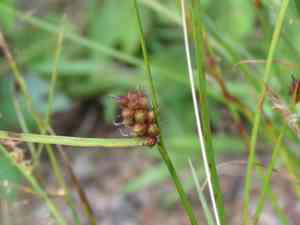
Carex houghtonii is a robust, graminoid specimen recognized for its slender, curving blades and clustered habit. To preserve its form and stimulate more vigorous development, trim Carex houghtonii in the latter part of winter or early spring, prior to the appearance of new shoots. Eliminate any deceased or compromised foliage by severing it at the ground level. This period corresponds with Carex houghtonii's inherent developmental rhythm, guaranteeing negligible strain and superior recuperation. Consistent trimming fosters thicker greenery, improves air movement, and diminishes the likelihood of ailments.
What Are the Benefits of Pruning Houghton's Sedge?
What Are the Benefits of Pruning Houghton's Sedge?
Pruning houghton's sedge encourages vigorous development and maintains its form. It boosts air circulation, lowering disease risk, and improves appearance by fostering healthy new growth. Regular trimming manages plant size and promotes a neat, strong growth habit.
What Is the Best Time for Pruning Houghton's Sedge?
What Is the Best Time for Pruning Houghton's Sedge?
Trimming houghton's sedge in early spring or late winter is optimal as it aligns with its dormant phase, minimizing plant stress. During these periods, houghton's sedge has not yet entered its active growth stage, which typically starts in spring. Pruning during dormancy helps preserve the plantâs shape and health without disrupting its growth cycle. This timing also avoids peak flowering or fruiting, ensuring the plant's energy focuses on robust new growth.
What Tools Do I Need to Prune Houghton's Sedge?
Bypass Pruners
Perfect for making clean, accurate cuts on houghton's sedge, enabling easy removal of dead or damaged foliage without crushing stems.
Sharp Scissors
Useful for detailed tasks when tidying small areas of houghton's sedge or trimming fine leaves, ensuring minimal plant disturbance.
Horticultural Shears
Good for shaping and reducing the size of houghton's sedge during seasonal upkeep, helping to manage its growth and encourage healthier spread.
Gloves
Crucial for protection against sharp edges and potential allergens while pruning houghton's sedge, ensuring a safe gardening experience.
How to Prune Houghton's Sedge
Assess
Check houghton's sedge for any indications of diseased or dried-up leaves. Carefully inspect the plant to pinpoint areas requiring trimming.
Clean Tools
Ensure your pruning shears or scissors are clean and sharp to make precise cuts and prevent disease transmission.
Remove Diseased Leaves
Gently snip off any leaves showing disease symptoms. Cut at the base of the leaf stem where it meets the main plant, avoiding harm to healthy parts.
Remove Withered Leaves
Trim away dried or dead leaves using the same method, cutting at the base to encourage new growth and maintain plant vitality.
Dispose Properly
Gather all removed leaves and discard them correctly to prevent disease spread. Do not compost diseased leaves as they can contaminate your compost.
Common Pruning Mistakes with Houghton's Sedge
Incorrect cutting
Many gardeners mistakenly cut too close to the base, risking damage to new growth points vital for the plant's health.
Over-pruning
Removing too much foliage can stress houghton's sedge, reducing its overall vigor and potential to flower.
Inconsistent pruning
Infrequent or irregular pruning can lead to uneven growth and the proliferation of dead or unhealthy sections.
Common Pruning Tips for Houghton's Sedge
Sharp tools
Always use sharp, clean pruning shears to make precise cuts and minimize damage to houghton's sedge.
Identify old growth
Prune away old, dead, or damaged stems and leaves to encourage new, healthy growth.
Moderation
Remove only about a third of the foliage at a time to avoid stressing the plant.
Observe growth points
Be mindful of new growth nodes and avoid cutting these areas to ensure the continued vitality of houghton's sedge.
Regular maintenance
Create a regular pruning schedule to keep houghton's sedge healthy and well-maintained, promoting a more aesthetically pleasing appearance and encouraging better growth.



