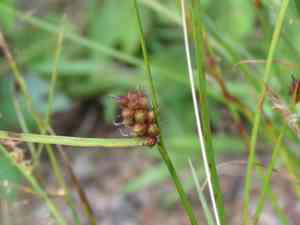
Houghton's sedge (Carex houghtoniana)
Also known as: Houghton's Sedge
Houghton's sedge is a perennial plant native to North America, well-suited to wetland environments such as bogs, fens, and moist meadows. It prefers calcareous or alkaline soils and thrives in areas with variable water levels. The plant has slender, triangular stems and narrow, arching leaves, with seed heads that range from pale green to brown. Houghton's sedge is also adapted to fire-prone habitats, showcasing its resilience in diverse conditions.
In This Article
Attributes of Houghton's sedge
Lifespan
Perennial
Plant Height
30-60 cm
Spread
20-30 cm
Leaf Color
Green
Flower Size
0.5-1 cm
Flower Color
Brown
Images of Houghton's sedge
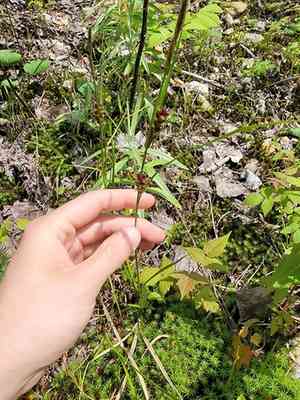
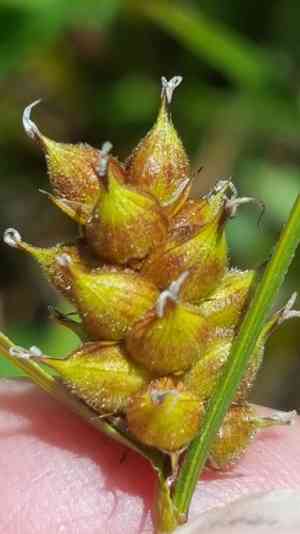
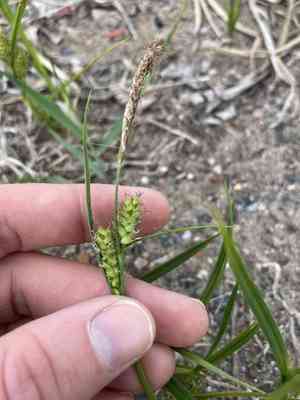
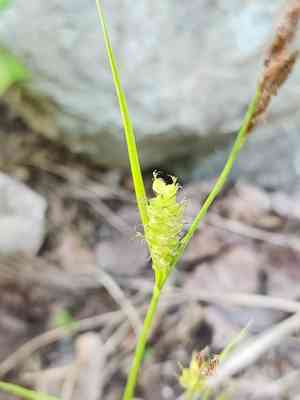
Quickly Identify Houghton's sedge
1
Identify Carex houghtoniana by its narrow leaves, which are usually folded and have a distinctive \'W\' shape in cross-section. The inflorescence consists of a few small, brownish spikes, and the plant forms dense clumps.
Scientific Classification of Houghton's sedge
Phylum
Vascular plants
Class
Monocotyledons
Order
Poales
Family
Sedge
Genus
True sedges
Species
Houghton's sedge
Planting and Growing of Houghton's sedge
Care Difficulty
Moderate
Watering Schedule
Every 2 days
Sunlight Requirements
Partial sun
Sunshine Duration
4-8 hours
Ideal Temperature
60-75℉
Soil Type
Potting Mix, Peat Mix
Soil pH
6.5-7.5
Fertilizer Type
Balanced
Pruning Season
Spring, Summer
Pruning Area
Branches, Leaves
Pruning Frequency
2 times a year
Repotting Season
Spring
Pot Type
Plastic, Ceramic
 How to Water Houghton's sedge?
For Carex houghtoniana, the watering amount should aim to thoroughly moisten the soil without causing waterlogging. Use around 200 milliliters and ensure that the water penetrates to the root zone.
What are the symptoms of an underwatered Houghton's sedge?
›
What should I do if my Houghton's sedge is not getting enough water?
›
What are the symptoms of an overwatered Houghton's sedge?
›
How to save an overwatered Houghton's sedge?
›
 What Are the Sunlight Requirements for Houghton's sedge?
Carex houghtoniana flourishes with partial sun. This range prevents light stress and fosters lush, vibrant growth, enhancing its landscape contribution or indoor display.
What is the perfect environment?
›
How to achieve ideal lighting conditions?
›
What happens with ideal lighting?
›
 What Is the Ideal Temperature Range for Houghton's sedge?
Carex houghtoniana flourishes best in a temperature range of 60°F to 75°F. During these conditions, the plant is likely to have optimal photosynthetic activity and root development, enhancing its growth potential and resilience.
 What Soil is Best for Houghton's sedge?
Carex houghtoniana thrives in soils that provide excellent drainage, preventing waterlogging which can lead to root rot. Well-draining soil ensures that roots receive adequate oxygen, promoting healthy growth and vibrant foliage. This plant benefits from soil with moderate fertility, which provides essential nutrients to support its growth. Avoiding overly rich soils helps prevent excessive growth that can weaken the plant structure. Carex houghtoniana performs best in soils with a pH ranging from neutral to slightly acidic. This pH range facilitates optimal nutrient absorption, enhancing the plant's vigor and resistance to disease.
 How to Fertilize Houghton's sedge?
For Carex houghtoniana, fertilizing should be an exercise in moderation. Typically, you want to use dilute liquid fertilizer. Aim for a concentration that's half of what is recommended on the label, as this plant thrives best with a lighter nutrient load.
 How to Prune Houghton's sedge?
Start by removing any brown or damaged leaves near the base. This will not only tidy up the plant but also prevent potential disease spread. Hold the leaf at its base and make a clean cut near the soil using your pruners. To maintain its attractive clump shape, selectively trim back any excessively long or scraggly stems. Aim to cut just above a node or where new growth appears to encourage a fuller regrowth. After trimming, consider applying a balanced fertilizer to support new leaf development. This can be especially beneficial in spring, promoting vigorous, healthy foliage throughout the growing season.
More About Pruning Techniques→
 How to Propagate Houghton's sedge plant?
1
Gather seeds from mature Carex houghtoniana plants in late summer or early autumn. Look for seed heads that are beginning to turn brown and dry out for optimal collection timing.
2
Use well-drained, sandy soil to provide the necessary conditions for seed or division growth. Amend soil with organic matter if needed to enhance fertility and drainage.
3
Sow seeds shallowly in the prepared soil, or plant divided sections ensuring the roots are well-covered. Water gently but thoroughly after planting to settle the soil around seeds or roots.
 How to Repot Houghton's sedge plant?
1
Repotting Carex houghtoniana requires attention to its root growth. When you notice roots emerging from the drainage holes or the plant becomes root-bound, it's time to consider repotting. Ensure you choose a season when the plant is not actively growing, typically in spring or autumn.
2
Select a pot that is just one size larger than the current one. It should have sufficient drainage holes to prevent waterlogging, crucial for the plant's root health. An appropriately sized pot supports healthy root expansion without promoting excessive, non-supportive growth.
3
Opt for well-draining sandy soil, which maintains root aeration and prevents over-retention of moisture. The right soil provides essential nutrients while ensuring resilience against rot and helps mimic its natural growing conditions.
Learn More About Houghton's sedge Diseases
Anthracnose
Bacterial Leaf Spot
Bacterial Soft Rot
Bacterial Wilt
Black Spot
Chemical Injury
Cyst Nematode
Damping-off
Downy Mildew
Drought Stress
Fusarium Wilt
Gray Mold
Leaf Spot
Mosaic
Nutrient Deficiency
Nutrient Toxicity
Powdery Mildew
Root Rot
Root-knot Nematode
Rusts
Sooty Mold
Spider Mites
Temperature Stress
Thrips Damage
White Mold



