How to Propagate Houghton's sedge?
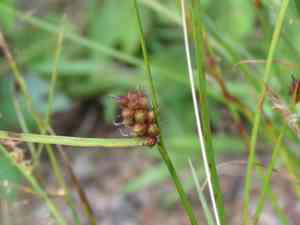
Carex houghtoniana, a species within the Cyperaceae family, flourishes in sandy, porous substrates. The most effective method for propagation entails planting seeds in a sandy blend. Gently embed the seeds into the soil's top layer, ensuring they remain damp until sprouting occurs. After the young plants have taken root, they prosper with consistent irrigation and dappled sunlight. Prevent overly saturated soil, as this can impede development. Employing recently harvested seeds improves the likelihood of success. Grow them in settings that mimic their native environment for vigorous development.
Optimal Time for Houghton's Sedge Propagation
Propagation Type
Sowing
Propagation Season
Spring
Tools for Houghton's Sedge Propagation
Seed Trays or Flats
Utilized for sowing seeds in a controlled setting. Their shallow, wide design enables uniform seed distribution and proper spacing, vital for the early growth of houghton's sedge seedlings.
Seedling Heat Mat
Delivers consistent warmth from below, crucial for encouraging houghton's sedge seed germination, particularly in cooler environments or indoors.
Humidity Dome
Placed over seed trays to retain moisture and create a microclimate, helping maintain the humidity levels necessary for houghton's sedge seed germination and initial development.
Seed Starting Mix
A light, well-draining soil blend to ensure proper root development and prevent damping-off diseases for houghton's sedge. This mix offers the right balance of air circulation and moisture retention.
Spray Bottle
Used to gently mist seeds and soil without disruption, ensuring even moisture distribution, which is critical for successful houghton's sedge seed germination.
Plant Labels
Aids in identifying and tracking houghton's sedge throughout various propagation stages. Accurate labeling is essential for organized propagation efforts.
Tweezers or Seed Sower
Important for handling small houghton's sedge seeds and ensuring precise placement in seed trays or flats. Tweezers or a seed sower can help prevent overcrowding, leading to healthier seedlings.
Grow Lights
Provides supplementary illumination to ensure houghton's sedge seedlings receive adequate light for photosynthesis, especially if natural light is insufficient. Grow lights help prevent etiolation and promote robust growth.
How to Propagate Houghton's Sedge?
Propagation Type
Easy
Caring for Newly Propagated Houghton's Sedge
Caring for Newly Propagated Houghton's Sedge
After propagation, houghton's sedge needs consistent watering to keep the soil moist but well-drained. Position the plant in an area receiving full to partial sunlight. Apply mulch around the plant's base to help retain moisture and control weeds. Monitor for pests and diseases, applying necessary treatments promptly. Ensure the plant is not exposed to extreme temperatures, and trim dead or damaged foliage to encourage healthy growth.
Common Propagation Mistakes for Houghton's Sedge
Improper Soil Selection
Choosing soil that is too compact or holds too much moisture can hinder root development and lead to fungal problems.
Overwatering
Excessive water can cause root rot, leading to the plant's demise.
Insufficient Light
A lack of adequate light can result in weak growth and reduced vigor in new plants.
Incorrect Division Method
Improperly dividing plants can damage roots and decrease the likelihood of successful propagation.
Neglecting Plant Acclimation
Failure to acclimate the plant to new conditions can lead to shock, stunted growth, or plant death.
Tips For Propagating Houghton's Sedge
Soil Selection
Utilize well-draining soil that mimics houghton's sedge's natural habitat to ensure proper root aeration and moisture balance.
Watering Strategy
Water sparingly, allowing the top layer of soil to dry before rewatering to prevent root rot.
Proper Lighting
Provide bright, indirect sunlight to encourage healthy growth without scorching the leaves.
Correct Division
When dividing houghton's sedge, ensure each section has a healthy root system and multiple shoots to enhance survival rates.
Acclimation
Gradually accustom newly propagated plants to varying light and humidity conditions over a week to minimize shock.



