How to Prune Marsh straw sedge?
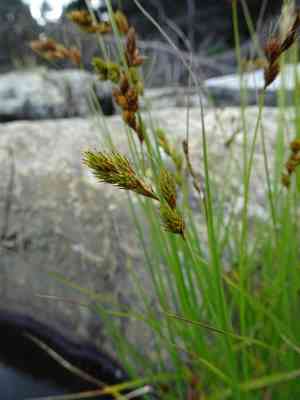
Given its unique grass-like look and affinity for moist environments, marsh straw sedge benefits from trimming in early spring or during winter. Eliminate any deceased or compromised leaves to foster robust development and preserve its inherent form. Exercise caution when pruning to prevent over-cutting, which could cause strain to the plant. Timely pruning boosts vitality and aids in managing its expansion. Consistent upkeep improves the general well-being and visual attractiveness of marsh straw sedge, particularly in cultivated areas.
What Are the Benefits of Pruning Marsh Straw Sedge?
What Are the Benefits of Pruning Marsh Straw Sedge?
Trimming marsh straw sedge promotes vigorous development and maintains its form, ensuring a strong and visually appealing look. Regular trimming also enhances air circulation, lowering the chance of pests and illnesses.
What Is the Best Time for Pruning Marsh Straw Sedge?
What Is the Best Time for Pruning Marsh Straw Sedge?
Trimming marsh straw sedge in early spring helps eliminate any dead or damaged leaves accumulated over winter, fostering a healthier start to the growing season. Winter pruning is ideal as the plant is dormant, minimizing stress and the risk of disease or pest infestation. Both periods avoid disrupting marsh straw sedge's active growth, ensuring pruning doesn't affect its flowering or fruiting, thus boosting overall vitality and aesthetic appeal.
What Tools Do I Need to Prune Marsh Straw Sedge?
Bypass Pruners
Perfect for cutting back dead or damaged stems of marsh straw sedge, as they provide clean cuts that encourage healthy regrowth.
Hedge Shears
Useful for trimming large clumps of marsh straw sedge to maintain shape and encourage dense growth. These are effective due to marsh straw sedge's grass-like structure.
Grass Shears
Needed for more precise cutting and shaping around the edges of marsh straw sedge, ensuring accuracy without harming nearby plants.
Pruning Knife
Crucial for removing any diseased or dead foliage at the base of marsh straw sedge. The knife allows for precise cuts close to the soil where other tools might be too cumbersome.
How to Prune Marsh Straw Sedge
Inspect
Carefully examine the plant to identify any diseased and withered leaves.
Prepare
Sanitize pruning shears using a solution of one part bleach to nine parts water to prevent the spread of disease.
Remove Diseased Leaves
Cut off the diseased leaves at their base, where they meet the stem, ensuring complete removal of affected tissue.
Remove Withered Leaves
Trim back withered leaves to the point where they still appear healthy and green, avoiding unnecessary removal of healthy foliage.
Dispose
Properly dispose of the trimmed diseased and withered leaves by bagging them and discarding them away from the garden to prevent potential spread of pests or disease.
Common Pruning Mistakes with Marsh Straw Sedge
Improper Technique
Using dull or unsuitable tools can cause jagged cuts, leading to increased vulnerability to disease.
Over-pruning
Removing too much foliage can stress the plant and hinder its growth, leaving it vulnerable to pests and environmental stressors.
Pruning at the Wrong Time
Although the best season to prune marsh straw sedge is excluded here, it's worth noting that improper timing can lead to reduced regrowth or flowering issues.
Ignoring Dead or Dying Leaves
Failing to remove dead or diseased foliage can increase the spread of pathogens and pests within the plant.
Cutting Across the Grain
Incorrectly angling cuts can damage stems or leaves, leading to uneven growth and potential disease entry points.
Common Pruning Tips for Marsh Straw Sedge
Use Sharp, Clean Tools
Always use sharp pruners or scissors that have been sterilized to prevent the spread of disease and to make clean cuts.
Remove Dead or Diseased Foliage
Regularly inspect marsh straw sedge and remove any dead, dying, or diseased leaves to promote overall plant health.
Prune Conservatively
Trim lightly and focus on removing the outermost leaves to keep the plant tidy without stressing it.
Angle Your Cuts
Make cuts at a slight angle to help water runoff and reduce the risk of infection at the cut site.
Focus on Aesthetics and Health
Aim to shape marsh straw sedge in a natural, aesthetically pleasing form while ensuring that airflow and light penetration are not compromised.



