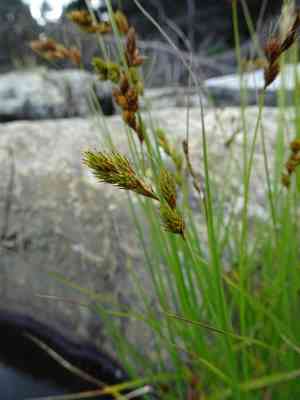
Marsh straw sedge (Carex hormathodes)
Also known as: Swamp Sedge
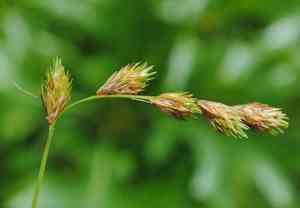
A common plant that thrives in wetland environments is the marsh straw sedge. This perennial sedge is characterized by its long, arching narrow leaves and compact seed clusters. The plant’s brownish-green foliage blends naturally with marsh landscapes, showcasing its adaptation to semi-aquatic conditions and resilience to changes in water levels.
In This Article
Attributes of Marsh straw sedge
Lifespan
Perennial
Plant Type
Grass
Plant Height
30-90 cm
Spread
45-60 cm
Leaf Color
Green
Flower Size
0.5-1 cm
Flower Color
Greenish-brown
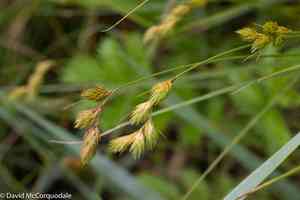
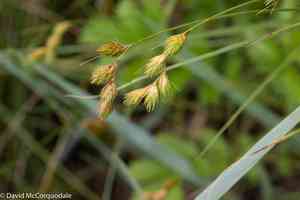
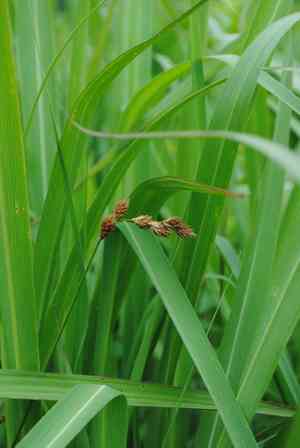
Images of Marsh straw sedge
Quickly Identify Marsh straw sedge
1
Identifying Carex hormathodes involves looking for clumps of grass-like plants in swampy or wetland areas. The leaves are typically long, narrow, and green, and the plant produces small, inconspicuous flowers.
Scientific Classification of Marsh straw sedge
Phylum
Vascular plants
Class
Monocotyledons
Order
Poales
Family
Sedge
Genus
True sedges
Species
Marsh straw sedge
Planting and Growing of Marsh straw sedge
Care Difficulty
Moderate
Watering Schedule
Every 3 days
Sunlight Requirements
Partial sun
Sunshine Duration
6-10 hours
Ideal Temperature
68-77℉
Soil Type
Potting Mix, Peat Mix
Soil pH
6.5-7.5
Fertilizer Type
Balanced
Pruning Season
Spring, Summer
Pruning Area
Branches, Leaves
Pruning Frequency
2 times a year
Repotting Season
Spring
Pot Type
Plastic, Ceramic
 How to Water Marsh straw sedge?
When watering Carex hormathodes, ensure the soil is evenly moist, but not soggy. Use around 200 ml of water per session, adjusting based on pot size and environmental conditions. Moisture should reach the root zone without creating waterlogging.
What are the symptoms of an underwatered Marsh straw sedge?
›
What should I do if my Marsh straw sedge is not getting enough water?
›
What are the symptoms of an overwatered Marsh straw sedge?
›
How to save an overwatered Marsh straw sedge?
›
 What Are the Sunlight Requirements for Marsh straw sedge?
Carex hormathodes ideally thrives in partial sun to full shade. Optimal lighting encourages a robust growing habit and prevents common light-related issues, maintaining the plant’s lush appearance and vitality.
What type of light does Carex hormathodes prefer?
›
How can you provide the ideal lighting for Carex hormathodes?
›
What are the benefits of optimal lighting for this plant?
›
 What Is the Ideal Temperature Range for Marsh straw sedge?
Carex hormathodes thrives in a moderate temperature range that allows it to maximize its growth potential. The ideal temperatures are between 68°F and 77°F, providing optimal conditions for photosynthesis, nutrient uptake, and overall health.
 What Soil is Best for Marsh straw sedge?
Carex hormathodes thrives in soil with excellent drainage, preventing waterlogging, which could lead to root rot. Ensuring good drainage will keep the roots healthy and promote robust growth. Though well-drained, the soil should retain enough moisture to support the plant's needs, especially during dry spells. Moisture-retentive soils help Carex hormathodes maintain lush foliage and vibrant growth. A nutrient-rich soil sustains the plant's growth and resilience by providing essential nutrients. Fertile loam or enriched sandy loam is ideal for supporting the thriving ecosystem around Carex hormathodes.
 How to Fertilize Marsh straw sedge?
Carex hormathodes typically requires a light fertilization routine. Use a balanced fertilizer formula such as 10-10-10, applying approximately a third of a cup per plant for liquid feedings. When using slow-release fertilizers, evenly distribute a tablespoon per plant around the base.
 How to Prune Marsh straw sedge?
Start by gently removing any dead or unattractive foliage from the base. Pulling away dead leaves helps prevent mold and allows air circulation, promoting healthier growth. Use sharp scissors or shears to trim overgrown sections of the plant. Cut back the leaves to about two-thirds their length to maintain a tidy appearance and facilitate new growth. Carefully shape the plant by cutting at angles to create a gently rounded appearance. This not only makes the plant look aesthetically pleasing but also encourages an even distribution of light and air. Gather all trimmings and dispose of them properly. Leaving cuttings on the ground can foster pests and diseases, which may negatively affect plant health.
More About Pruning Techniques→
 How to Propagate Marsh straw sedge plant?
1
Water the Carex hormathodes thoroughly a day before division to make the soil softer and reduce stress on the plant. Remove any dead leaves to clearly see where to make the division.
2
Using a sharp knife or pruning shears, divide the root clump into smaller sections, ensuring each section has enough roots and shoots. Be careful not to damage the roots during the division.
3
Plant each division in a prepared garden bed or pot with suitable soil conditions. Ensure they are planted at the same depth as the original clump and water thoroughly to establish.
 How to Repot Marsh straw sedge plant?
1
Carex hormathodes signals its need for repotting when roots begin to emerge from the drainage holes, indicating it's outgrowing its current pot. Look for a slowing of growth as an additional cue. Repotting during its active growing seasons, primarily in spring and early summer, ensures minimal stress and promotes recovery.
2
Select a pot that is 2-3 inches larger in diameter than the current one. A pot that's too large can retain excess moisture and inhibit proper drainage, while a slightly larger pot allows room for growth and stability. Ensure the pot has sufficient drainage holes to further prevent waterlogging, promoting root health.
3
Opt for a moist, well-draining soil mix, rich in organic matter. This not only mimics Carex hormathodes' natural habitat but also prevents root rot by ensuring moisture retention without waterlogging. An ideal mix includes loam, peat moss, and some perlite, providing balance for healthy growth.



